Master this chapter. Complete your experience
Purchase the complete book to access all chapters and support classic literature
As an Amazon Associate, we earn a small commission from qualifying purchases at no additional cost to you.
Available in paperback, hardcover, and e-book formats
Why This Matters
Connect literature to life
This chapter teaches how to distinguish between rational concern and conscience-driven anxiety that signals hidden wrongdoing.
Practice This Today
This week, notice when anxiety feels like 'everyone knows something' - that's usually your conscience trying to get your attention about something you've been avoiding.
Now let's explore the literary elements.
Key Quotes & Analysis
"He was afraid of every stranger he met, and every casual passer-by seemed to him to be a spy."
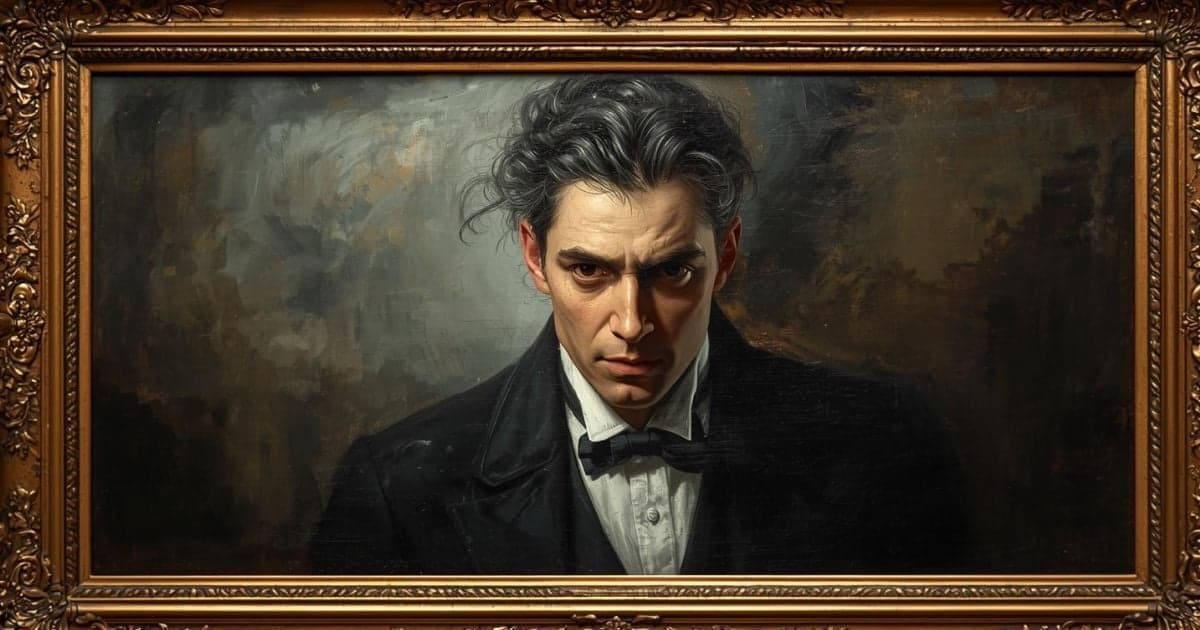
Context: Describing Dorian's paranoid state as he walks through London
This shows how guilt transforms innocent situations into threats. When you know you deserve punishment, everyone becomes a potential judge or executioner.
In Today's Words:
When you're hiding something big, every stranger feels like they know your secret.
"The very sharpness of the contrast used to quicken his sense of pleasure. He had been tortured by it, and he had found in it a kind of joy."
Context: Reflecting on how Dorian used to enjoy the contrast between his beautiful appearance and his ugly actions
This reveals the psychology of someone who gets a thrill from getting away with things. But that thrill is fading as the weight of his actions grows heavier.
In Today's Words:
He used to get a rush from fooling everyone, but that high doesn't work anymore.
"It was not conscience that made cowards of them all. It was the fear of society."
Context: Dorian reflecting on why people follow moral rules
Dorian is trying to convince himself that morality is just social pressure, not genuine right and wrong. This is his attempt to minimize his guilt by claiming everyone else is just as fake.
In Today's Words:
People only act good because they're scared of getting caught, not because they actually care about right and wrong.
Thematic Threads
Guilt
In This Chapter
Dorian's paranoia and inability to enjoy his former pleasures as his conscience finally breaks through his psychological defenses
Development
Evolved from earlier denial and compartmentalization to active psychological torment
In Your Life:
You might recognize this in your own sleepless nights after treating someone badly, when guilt makes every interaction feel loaded with judgment.
Identity
In This Chapter
The growing gap between Dorian's beautiful public face and his internal psychological decay becomes impossible to maintain
Development
Developed from simple vanity to a complete split between public and private self
In Your Life:
You see this when maintaining a false image becomes exhausting and you start to crack under the pressure of pretending.
Class
In This Chapter
Dorian's social status and wealth can no longer protect him from the psychological consequences of his actions
Development
Evolved from class privilege providing easy escape to being powerless against internal reckoning
In Your Life:
You might notice how money and status feel meaningless when you're dealing with genuine guilt or grief.
Personal Growth
In This Chapter
Dorian's forced confrontation with his conscience represents the beginning of genuine self-awareness, though he resists it
Development
First real moment of potential growth after years of moral regression
In Your Life:
You experience this when you can no longer lie to yourself about your behavior and must choose between change or continued suffering.
You now have the context. Time to form your own thoughts.
Discussion Questions
- 1
Why can't Dorian enjoy his usual pleasures anymore - his art, music, and social gatherings?
analysis • surface - 2
What's the connection between Dorian's guilt and his paranoia about strangers on the street?
analysis • medium - 3
Where do you see this pattern of guilt creating paranoia in modern life - at work, in relationships, or in families?
application • medium - 4
If someone you cared about was trapped in this cycle of guilt and paranoia, what practical steps would you suggest they take?
application • deep - 5
What does Dorian's experience teach us about the relationship between our public image and our private conscience?
reflection • deep
Critical Thinking Exercise
Map Your Guilt Triggers
Think about a time when you felt guilty about something you did or didn't do. Write down three specific ways that guilt showed up in your daily life - did you avoid certain people, places, or conversations? Did you become suspicious or defensive about unrelated things? Map the connection between your internal guilt and your external behavior patterns.
Consider:
- •Guilt often disguises itself as other emotions like anger, defensiveness, or anxiety
- •The things we avoid or the people we can't look in the eye often reveal our unresolved guilt
- •Recognizing these patterns is the first step to breaking free from them
Journaling Prompt
Write about a time when guilt followed you home and affected how you interacted with innocent people. How did you eventually resolve it, or what would you do differently now?
Coming Up Next...
Chapter 10
Dorian's desperation reaches a breaking point as he makes a fateful decision about the portrait that has haunted him for so long. His attempt to destroy the evidence of his corruption will have consequences he never imagined.