Chapter 20
On a warm night Dorian walks home weary of being pointed out as Dor...
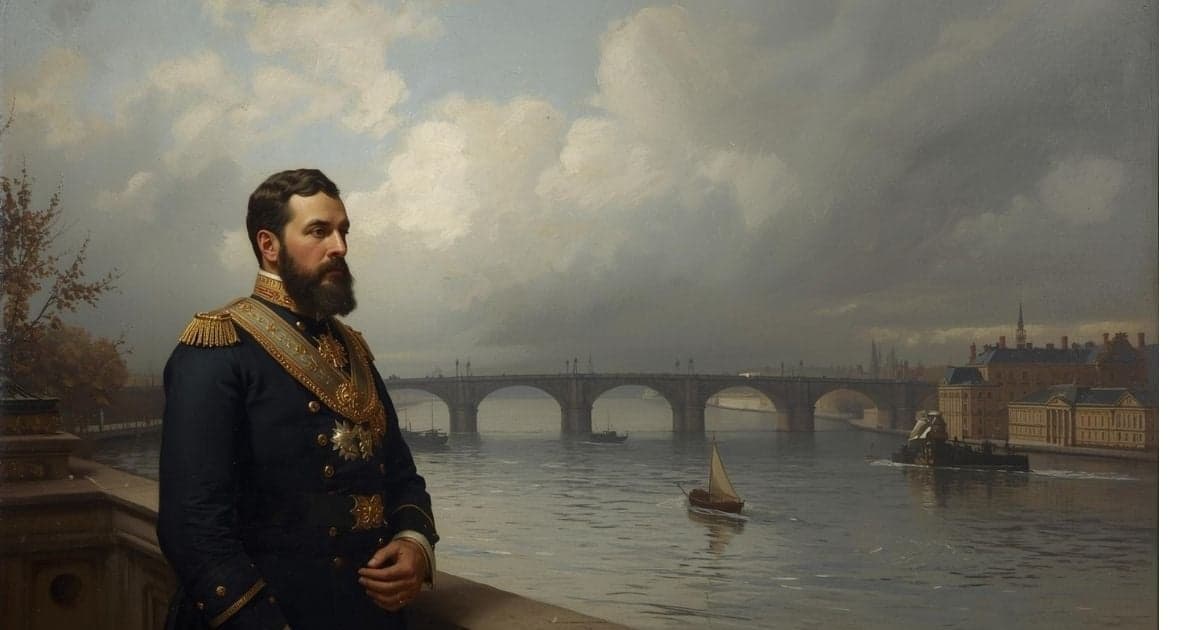
It was a lovely night, so warm that he threw his coat over his arm and did not even put his silk scarf round his throat. As he strolled home, smoking his cigarette, two young men in evening dress passed him. He heard one of them whisper to the other, “That is Dorian Gray.” He remembered how pleased he used to be when he was pointed out, or stared at, or talked about. He was tired of hearing his own name now. Half the charm of the little village where he had been so often lately was that no one…
Public-domain chapter text, formatted for reading.
Master this chapter. Complete your experience
Purchase the complete book to access all chapters and support classic literature
Available in paperback, hardcover, and e-book formats
Now let's explore the literary elements.
Key Quotes & Analysis
"It was his beauty that had ruined him, his beauty and the youth that he had prayed for."
Context: Dorian reflects before destroying the mirror and confronting the portrait
The wish that seemed like blessing becomes the engine of moral collapse.
In Today's Words:
Getting the surface you begged for can ruin you if it lets you avoid growing inside. When beauty or status removes friction, ask what part of your character is starving for consequence. Dorian thinks this in the library after smashing Henry's mirror. Youth had spoiled him.
"It would kill the past, and when that was dead, he would be free."
Context: Dorian plans to stab the portrait and escape the record of his sins
He mistakes destruction of evidence for destruction of guilt.
In Today's Words:
Trying to erase the witness is not the same as repairing the harm. When your freedom plan requires destroying the record, you are usually attacking the last thing that still tells the truth. Dorian chooses the knife over confession. The portrait is his last witness.
"As it had killed the painter, so it would kill the painter's work, and all that that meant."
Context: Dorian takes Basil's knife to the canvas
Violence repeats because it has become his only language of escape.
In Today's Words:
Returning to the same tool that solved the last crisis is a sign the pattern has not changed, only the target has. Ask what you are really killing when you strike at the image instead of the habit. Basil's knife now turns on the portrait itself.
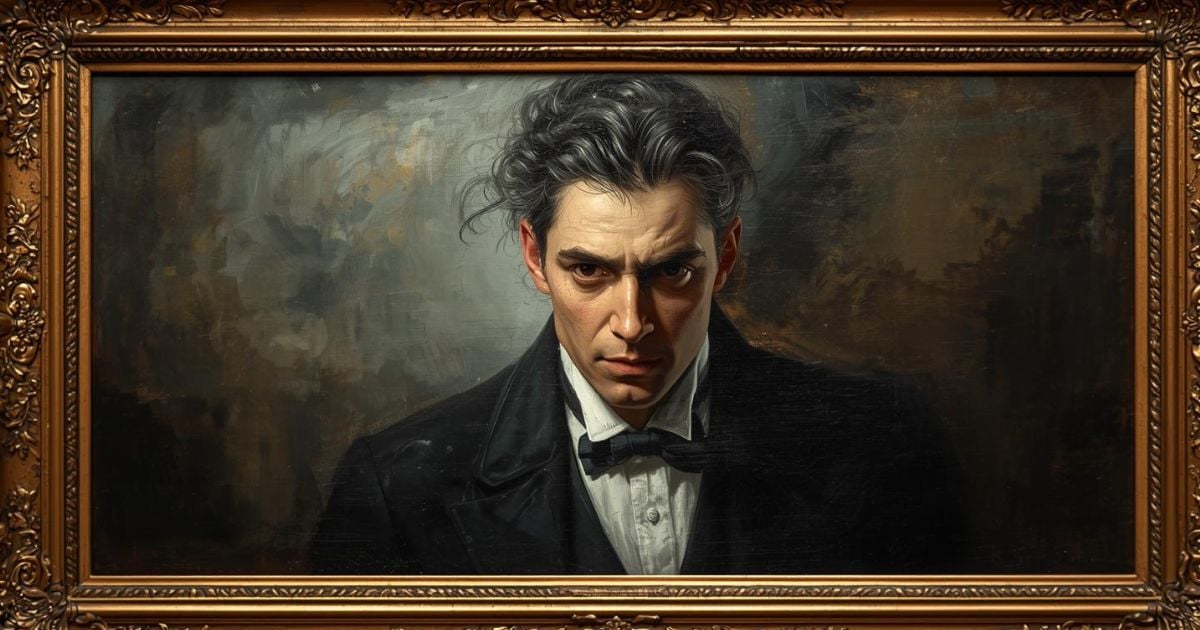
"When they entered, they found hanging upon the wall a splendid portrait of their master as they had last seen him, in all the wonder of his exquisite youth and beauty."
Context: Servants discover the restored portrait and the corpse below
The bargain ends by reuniting appearance and soul on opposite bodies.
In Today's Words:
The face the world loved returns to the wall while the real cost lies on the floor. When public image and private rot finally swap places, the ending is justice and horror at once. Servants name the corpse only by its rings. The bargain ends there.
Thematic Threads
Consequences
In This Chapter
The bargain ends when body and portrait trade places
Development
Avoided penalties arrive all at once in the final scene
In Your Life:
You might see how long-delayed reckoning can be total when it comes
Identity
In This Chapter
Youth returns to the wall while the real self dies on the floor
Development
The split between face and soul collapses violently
In Your Life:
You might ask what would happen if your public image and private rot finally met
Personal Growth
In This Chapter
Dorian's attempted reform fails to alter the portrait
Development
Change performed for vanity cannot reach the hidden record
In Your Life:
You might notice when goodness is tried as experiment rather than habit
Hidden Truth
In This Chapter
The locked room holds the last witness he tries to kill
Development
Destroying evidence becomes the final confession
In Your Life:
You might see when attacking the record is the last stage of denial
Human Relationships
In This Chapter
Hetty's innocence contrasts with the corpse servants barely recognize
Development
Others still believe in the face while the soul has rotted elsewhere
In Your Life:
You might ask who still knows only the portrait version of you
You now have the context. Time to form your own thoughts.
Discussion Questions
This is not a test. Five prompts guide you through the chapter, from how it opens to how it closes, so you notice context and rhythm rather than facts to memorize. Sit with each question in your own words. When you see "One way to read it," treat it as a starting point, not the only answer.
- 1
Why does Dorian hope the portrait has improved after he spares Hetty?
analysis • surfaceOne way to read it
He wants one good deed to erase years of corruption without public confession or sustained change.
- 2
What does the brighter blood on the portrait's hand reveal?
analysis • mediumOne way to read it
His attempted reform was vanity or hypocrisy, not the beginning of a new soul.
- 3
Why does Dorian choose to stab the portrait instead of confessing?
application • mediumOne way to read it
He still believes he can destroy the witness rather than accept shame and legal consequence.
- 4
How does the ending reunite appearance and soul?
application • deepOne way to read it
The beautiful image returns to the wall while the withered body becomes the visible record of his life.
- 5
When is destroying evidence the same as admitting you cannot change?
reflection • deepOne way to read it
The last stage of denial often attacks the mirror rather than the habit it recorded.
Critical Thinking Exercise
Face the Witness You Tried to Kill
Recall something you hoped one good act would erase without sustained change. List what you checked, what looked worse, and what you considered destroying instead of confessing. Map Dorian's finale: Hetty Merton hope, portrait more hypocritical, confession refused, Basil's knife to canvas, youth on the wall and rot on the floor.
Consider:
- •Ask whether your reform was for the record or for the habit
- •Notice when destroying evidence replaced making amends
- •Consider what the ending would look like if image and truth finally met
Journaling Prompt
Write about a witness you wanted gone and what truth it still held when you looked again.