Chapter 18
The next day Dorian hides in his room, sick with terror of dying ye...
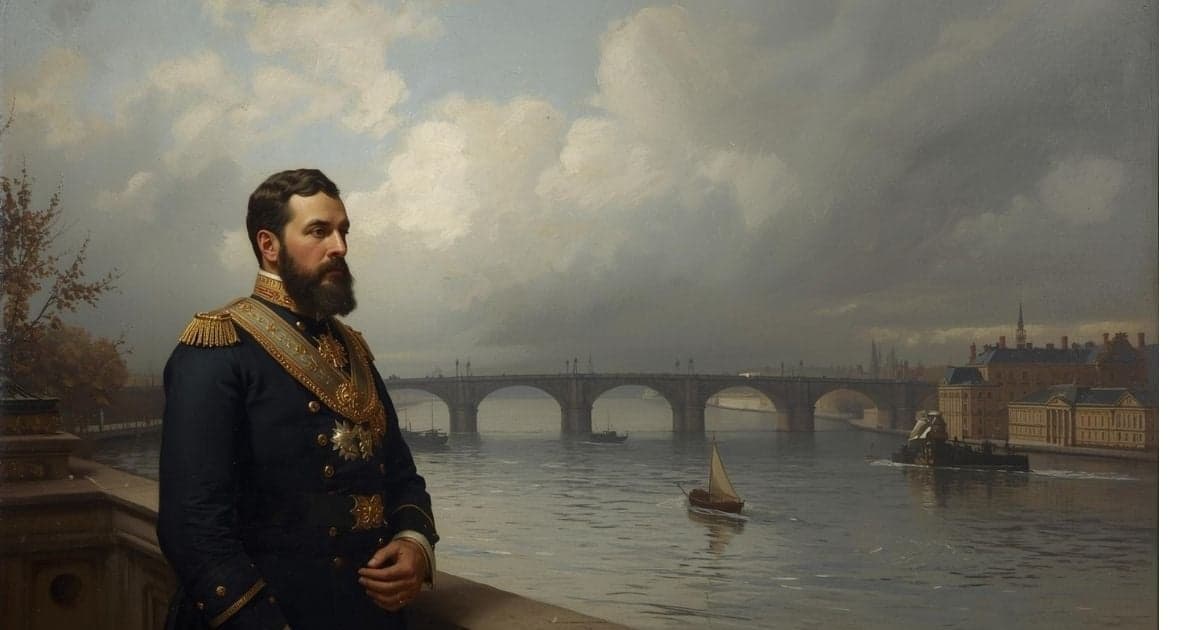
The next day he did not leave the house, and, indeed, spent most of the time in his own room, sick with a wild terror of dying, and yet indifferent to life itself. The consciousness of being hunted, snared, tracked down, had begun to dominate him. If the tapestry did but tremble in the wind, he shook. The dead leaves that were blown against the leaded panes seemed to him like his own wasted resolutions and wild regrets. When he closed his eyes, he saw again the sailor’s face peering through the mist-stained glass, and horror seemed once more to…
Public-domain chapter text, formatted for reading.
Master this chapter. Complete your experience
Purchase the complete book to access all chapters and support classic literature
Available in paperback, hardcover, and e-book formats
Now let's explore the literary elements.
Key Quotes & Analysis
"The consciousness of being hunted, snared, tracked down, had begun to dominate him."
Context: Dorian's terror after seeing James Vane at Selby
Guilt turns the house itself into a trap.
In Today's Words:
When every shadow feels like pursuit, the body is often telling you accountability has caught up even if no court has. Do not call that mood fancy until you ask what you are afraid someone finally knows. Dorian at Selby shakes at tapestries before facts confirm danger.
"Don't shoot it, Geoffrey. Let it live."
Context: Dorian cries out to spare the hare on the frost-bright morning
A rare plea for mercy arrives too late to alter the machinery of violence around him.
In Today's Words:
Small mercies offered inside violent systems rarely change the outcome. Notice when your protest is swallowed by momentum and ask what pattern keeps producing the harm you suddenly want to stop. Dorian had begged Geoffrey to spare the hare, yet a beater dies in the thicket anyway.
"The only horrible thing in the world is _ennui_, Dorian."
Context: Henry dismisses Dorian's omen after the shooting accident
Boredom is ranked above blood because Henry cannot afford moral seriousness.
In Today's Words:
When a friend treats death as bad taste rather than warning, you are hearing the philosophy that enabled your ruin. Boredom is not the only horror. Consequences are. Henry says this after the shooting stops while a beater lies dead in the alders and Dorian calls it an omen.
"A cry of joy broke from his lips. The man who had been shot in the thicket was James Vane."
Context: Dorian identifies the dead beater in the stable
Relief replaces remorse when fear, not justice, governs the heart.
In Today's Words:
Celebrating a death because it makes you safer is a moral bottom. If your first feeling at a corpse is joy, ask what you have become while you were performing innocence. Dorian weeps with relief, not grief, when James Vane's face appears in the stable.
Thematic Threads
Consequences
In This Chapter
James Vane dies by accident while hunting Dorian's peace
Development
Witness removal feels like deliverance without producing innocence
In Your Life:
You might ask when relief is mistaken for moral repair
Fear
In This Chapter
Dorian imagines watchers in every tree after the conservatory
Development
Terror reorganizes perception before facts confirm it
In Your Life:
You might notice how guilt paints ordinary motion as pursuit
Human Relationships
In This Chapter
Henry minimizes blood while the duchess sends notes through a gardener
Development
Friends treat panic as nerves or flirtation rather than warning
In Your Life:
You might see who refuses to read your fear as moral information
Class
In This Chapter
A beater dies like a wild animal in the gentry's sport
Development
The estate absorbs the body while Dorian worries only about identity
In Your Life:
You might notice whose deaths become omens and whose become paperwork
Identity
In This Chapter
Dorian's safety depends on the corpse being the man who knew him
Development
He is defined by who recognizes him, not by who he has become
In Your Life:
You might ask whether you are free or merely unrecognized for now
You now have the context. Time to form your own thoughts.
Discussion Questions
This is not a test. Five prompts guide you through the chapter, from how it opens to how it closes, so you notice context and rhythm rather than facts to memorize. Sit with each question in your own words. When you see "One way to read it," treat it as a starting point, not the only answer.
- 1
Why does Dorian spend days convinced James Vane is still hunting him?
analysis • surfaceOne way to read it
Guilt turns the estate into a theater of pursuit even before facts confirm danger.
- 2
What does Henry's talk of ennui reveal after the beater dies?
analysis • mediumOne way to read it
He downgrades blood to bad taste because moral seriousness would implicate the life he taught Dorian to live.
- 3
Why is Dorian's cry of joy at James's body morally decisive?
application • mediumOne way to read it
He feels delivered, not sorry, which shows fear has replaced conscience as his guide.
- 4
How does the hare Dorian tries to save relate to the man who dies?
application • deepOne way to read it
Mercy spoken too late inside a violent system cannot stop the momentum already armed around him.
- 5
When have you seen someone treat a death as personal absolution rather than loss?
reflection • deepOne way to read it
Relief at a witness's removal is a confession of what you still refuse to repair.
Critical Thinking Exercise
Name Relief That Is Not Remorse
Recall a time you felt delivered when someone who knew your history disappeared, failed, or died. List what fear lifted and what guilt did not. Map Dorian's arc the same way: hunted days at Selby, hare plea swallowed by the gun, keeper's sailor report, joy when James Vane's face appears in the stable.
Consider:
- •Ask whether your relief was about safety or about justice
- •Notice who treated blood as bad taste or nerves
- •Consider what Dorian's tears proved about his conscience
Journaling Prompt
Write about a moment joy at someone's removal told you something honesty had not. What did the feeling reveal?
Coming Up Next...
Chapter 19
Back in town at dinner Dorian tells Lord Henry he has begun to be good by sparing village girl Hetty, then tests him aloud: what if he had murdered Basil over strawberries, rose-water, and Chopin..