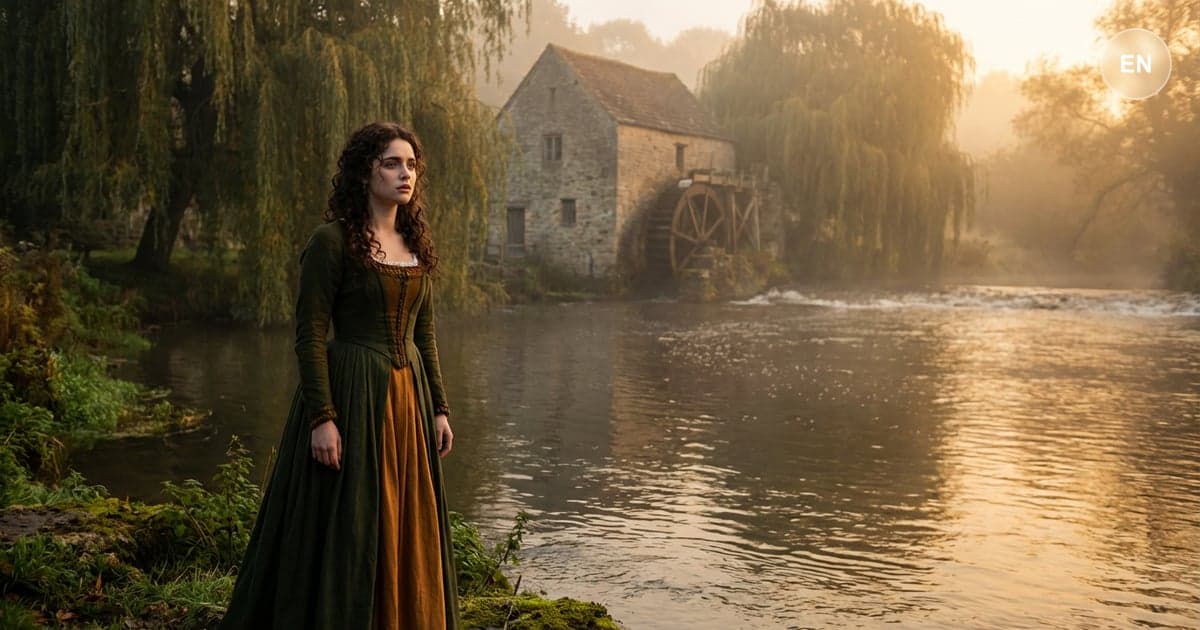
Master this chapter. Complete your experience
Purchase the complete book to access all chapters and support classic literature
As an Amazon Associate, we earn a small commission from qualifying purchases at no additional cost to you.
Available in paperback, hardcover, and e-book formats
Why This Matters
Connect literature to life
This chapter teaches how to identify the hidden emotional currencies people trade in—respect, status, feeling important—and how skilled operators use these currencies to get cooperation.
Practice This Today
This week, notice when someone gets their way not through arguing but by making the other person feel smart, important, or generous—then observe how it changes the entire dynamic.
Now let's explore the literary elements.
Key Quotes & Analysis
"So it has been since the days of Hecuba, and of Hector, Tamer of horses; inside the gates, the women with streaming hair and uplifted hands offering prayers, watching the world's combat from afar"
Context: Comparing Maggie's internal struggles to Tom's external action
Eliot uses this classical reference to show how gender roles have historically divided emotional labor from practical action. Women worry and feel while men act and fight.
In Today's Words:
It's always been this way - women stress and worry about everything while men just focus on getting stuff done
"For getting a fine flourishing growth of stupidity there is nothing like pouring out on a mind a good amount of subjects in which it feels no interest"
Context: Explaining why Tom failed at classical education but succeeds in business
This reveals how traditional education often fails students whose talents lie elsewhere. Tom isn't stupid - he's just being measured by the wrong standards.
In Today's Words:
Force someone to study stuff they don't care about and watch them look like an idiot, even if they're smart in other ways
"I'm not the man to speak disrespectful of my betters, but I wouldn't give a button for a packman as 'ud take the word out of my mouth"
Context: Bob flattering Mrs. Glegg while positioning himself as humble but skilled
Bob's masterful use of false modesty and reverse psychology. He elevates Mrs. Glegg while subtly establishing his own competence and uniqueness.
In Today's Words:
I respect people like you, but I'm not like those other pushy salespeople - I know quality when I see it
Thematic Threads
Class Navigation
In This Chapter
Bob expertly navigates class boundaries by flattering Mrs. Glegg's sense of superiority while achieving his business goals
Development
Builds on earlier themes of class barriers, showing how understanding can overcome them
In Your Life:
You might use similar awareness when dealing with supervisors or authority figures who need their status acknowledged
Practical Intelligence
In This Chapter
Bob's street smarts and people-reading skills prove more effective than formal education in achieving results
Development
Contrasts with Tom's methodical approach and Maggie's book learning
In Your Life:
Your ability to read people and situations often matters more than credentials in getting things done
Partnership Dynamics
In This Chapter
Tom and Bob's complementary skills create opportunities neither could achieve alone
Development
Introduced here as a new model for advancement
In Your Life:
You might find success by partnering with people whose strengths balance your weaknesses
Gender Power
In This Chapter
Mrs. Glegg wields significant financial influence despite societal limitations on women
Development
Continues exploration of how women navigate power within constraints
In Your Life:
You might recognize how influence can be exercised even when formal authority is limited
Economic Survival
In This Chapter
The trading venture represents hope for escaping debt and achieving financial security
Development
Evolves from earlier despair about the family's financial ruin
In Your Life:
You might see how small opportunities can become stepping stones to larger financial stability
You now have the context. Time to form your own thoughts.
Discussion Questions
- 1
How does Bob Jakin transform Mrs. Glegg from suspicious gatekeeper to eager investor?
analysis • surface - 2
Why does Bob's strategy of claiming his goods 'aren't worthy' of Mrs. Glegg work better than direct sales pressure would have?
analysis • medium - 3
Where have you seen someone use strategic charm to get what they want—making the other person feel important while advancing their own goals?
application • medium - 4
When you need cooperation from someone who's initially resistant, how could you apply Bob's approach of understanding their motivations first?
application • deep - 5
What does this scene reveal about the difference between manipulation and strategic understanding of human nature?
reflection • deep
Critical Thinking Exercise
Map the Influence Strategy
Think of someone you need cooperation from—a boss, family member, or difficult customer. Write down what makes them feel important or respected, what they're afraid of losing, and how you could frame your request to speak to their needs while achieving your goal. Practice Bob's approach of genuine appreciation combined with strategic communication.
Consider:
- •Focus on what genuinely matters to them, not what you think should matter
- •Consider how to make them feel powerful in the interaction rather than pressured
- •Think about the difference between flattery (empty praise) and strategic appreciation (recognizing real qualities)
Journaling Prompt
Write about a time when someone successfully influenced you by making you feel heard and respected. What did they do that worked, and how did it feel different from being pressured or manipulated?
Coming Up Next...
Chapter 35: The Wavering Balance
As Tom builds his secret fund through trading ventures, Maggie faces her own crossroads. The delicate balance between duty and desire becomes increasingly precarious, threatening to upset the careful equilibrium she's maintained.