

Chapter 26
When Old Friends Return in Dark Times
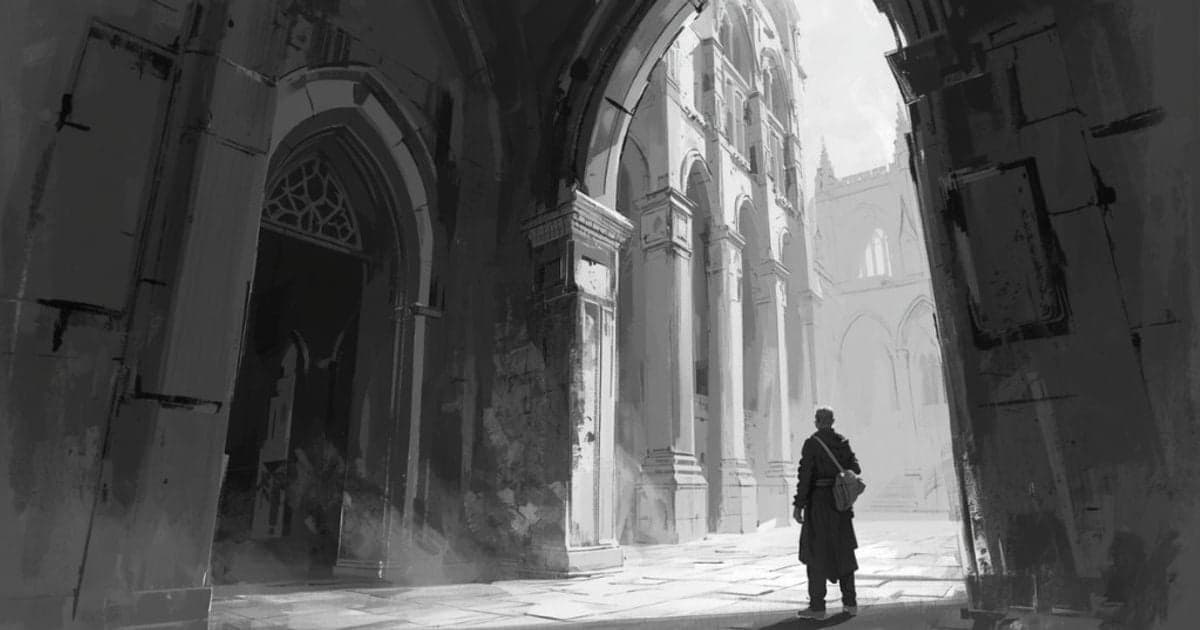
Tending to Refute the Popular Prejudice against the Present of a Pocket-Knife In that dark time of December, the sale of the household furniture lasted beyond the middle of the second day. Mr Tulliver, who had begun, in his intervals of consciousness, to manifest an irritability which often appeared to have as a direct effect the recurrence of spasmodic rigidity and insensibility, had lain in this living death throughout the critical hours when the noise of the sale came nearest to his chamber. Mr Turnbull had decided that it would be a less risk to let him remain where he…
Public-domain chapter text, formatted for reading.
Critical Thinking Exercise
Map Your Pride Triggers
Create a simple chart with two columns: situations where you easily accept help, and situations where you resist it. Look for patterns in what makes the difference. Is it who's offering? What kind of help? How public it is? Understanding your pride triggers helps you recognize when ego is blocking genuine assistance.
Consider:
- •Notice if you resist help more from certain types of people (younger, different class, different background)
- •Pay attention to whether the setting matters - are you more likely to refuse help in public versus private?
- •Consider if the type of help affects your response - money versus advice versus physical assistance
Journaling Prompt
Write about a time when refusing help actually made your situation worse. What would you do differently now, and what small step could you take to practice receiving more gracefully?
Master this chapter. Complete your experience
Purchase the complete book to access all chapters and support classic literature

Available in paperback, hardcover, and e-book formats
You Might Also Like


Lessons from The Mill on the Floss
Theme-by-theme analyses that connect this book to modern life skills.
Reading Public Judgment
Hear the world's wife after the boat: married would be romance, returned alone is ruin.
6 chapters·Explore AnalysisSeeing How Childhood Still Governs You
Return to the rabbits, the mud, and the gypsy road: the adult novel is still that childhood argument.
6 chapters·Explore AnalysisRecognizing Systemic Constraint
Watch the mill, the aunts, and St. Ogg's eyes limit Maggie before she ever chooses wrong.
6 chapters·Explore AnalysisChoosing Desire Against Duty
Sit with the Red Deeps promise, the lane, and the morning she refuses Stephen because Lucy still exists.
6 chapters·Explore AnalysisReading Emotional Intelligence
Stay inside Maggie's war: Philip sees her, Stephen inflames her, and the town never looks.
6 chapters·Explore AnalysisUnderstanding Loyalty's Cost
Follow Tom from the dead rabbits to the shut door: family honor can become a lock.
6 chapters·Explore Analysis
Deep diving the literary elements.