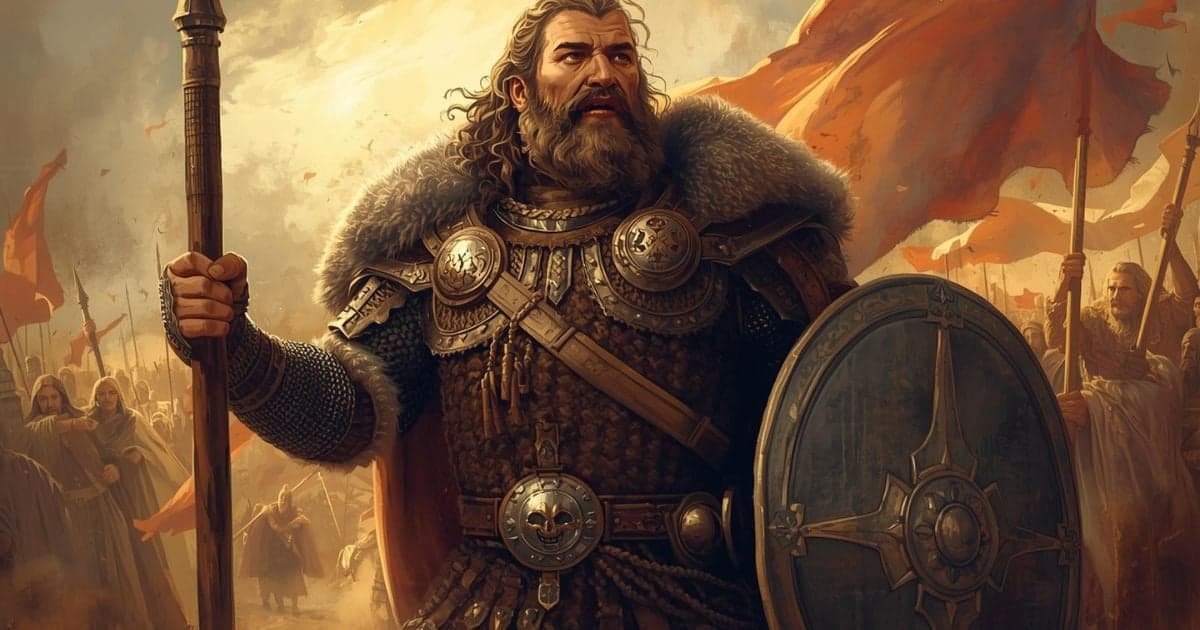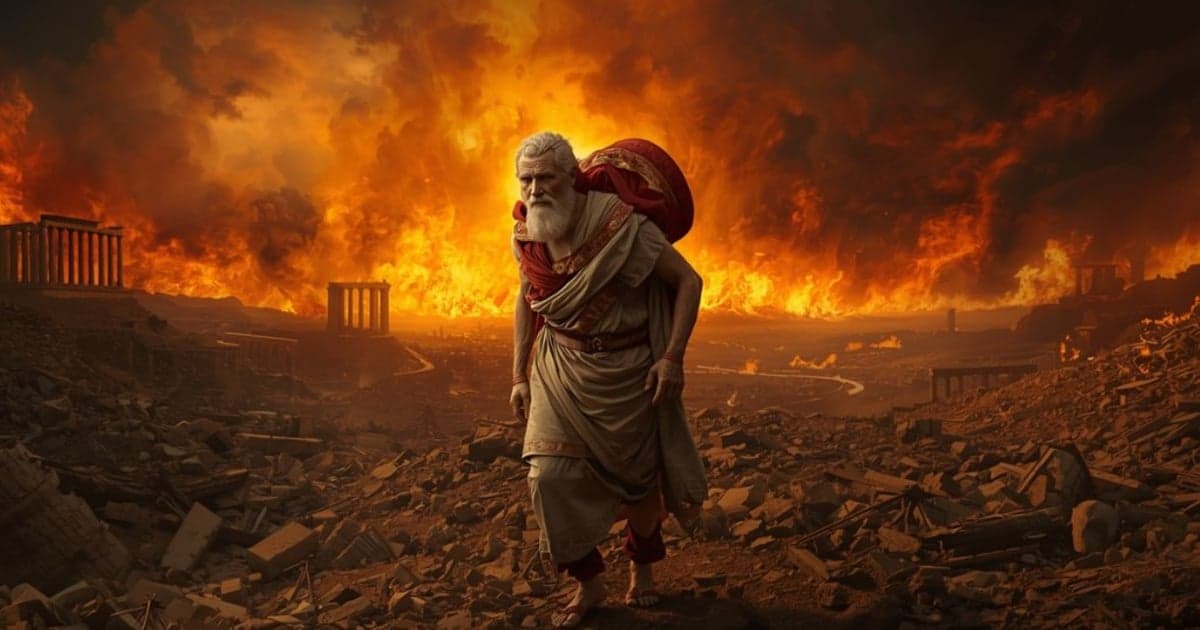
Chapter 14
Juno's Seduction and Neptune's Intervention
But not the genial feast, nor flowing bowl, Could charm the cares of Nestor’s watchful soul; His startled ears the increasing cries attend; Then thus, impatient, to his wounded friend: “What new alarm, divine Machaon, say, What mix’d events attend this mighty day? Hark! how the shouts divide, and how they meet, And now come full, and thicken to the fleet! Here with the cordial draught dispel thy care, Let Hecamede the strengthening bath prepare, Refresh thy wound, and cleanse the clotted gore; While I the adventures of the day explore.” He said: and, seizing Thrasymedes’ shield, (His valiant offspring,)…
Public-domain chapter text, formatted for reading.
Master this chapter. Complete your experience
Purchase the complete book to access all chapters and support classic literature
Available in paperback, hardcover, and e-book formats
Now let's explore the literary elements.
Key Quotes & Analysis
"And now come full, and thicken to the fleet!"
Context: A pivotal line from the opening of the chapter
In Today's Words:
You still see it when pressure builds toward a breaking point and everyone knows the next wave will hit hard. Leaders watch losses multiply as the enemy moves closer to the one place you cannot afford to lose. That dread appears whenever crisis stops feeling distant and starts landing on your doorstep.
"Last her fair feet celestial sandals grace."
Context: A pivotal line from the middle of the chapter
In Today's Words:
You still see it when someone prepares carefully before a high-stakes encounter, choosing every detail because presentation matters as much as force. Juno dresses like a person entering a room where one wrong signal could ruin the plan. That calculation shows up whenever appearance and timing decide whether you get heard.
"This half-recover’d day shall Troy obtain?"
Context: A pivotal line from the closing third of the chapter
This quote captures the uncertainty that follows any temporary victory in ongoing conflicts. Hector's question reflects the anxiety leaders feel when they know their advantage might be fleeting and their enemies will likely regroup.
In Today's Words:
After winning a major battle at work or in competition, there's always that nagging question of whether you can maintain momentum. Success feels fragile when you know your opponents are already planning their comeback strategy. That pressure appears whenever power meets grief and neither side can admit what they have lost.
"Shall Hector thunder at your ships again?"
Context: A pivotal line from the closing third of the chapter
This line embodies the fear of recurring threats that have previously caused devastation. It reflects how past trauma creates anxiety about future encounters, especially when facing an opponent who has already proven their destructive capabilities.
In Today's Words:
When someone has already caused major damage to your team or organization, the thought of facing them again creates deep anxiety. The question captures that dread of wondering if lightning will strike twice in the same place. That pressure appears whenever power meets grief and neither side can admit what they have lost.
Thematic Threads
Power
In This Chapter
Zeus's absolute power becomes his vulnerability when Juno exploits his desires to neutralize his authority
Development
Evolved from earlier displays of raw power to show how power can be circumvented through psychology
In Your Life:
Your boss's need to appear in control might be the key to getting resources for your department
Deception
In This Chapter
Juno's elaborate seduction scheme involves borrowing Venus's girdle and recruiting Sleep as an accomplice
Development
Introduced here as strategic rather than malicious deception
In Your Life:
Sometimes getting what your family needs requires presenting information in ways that don't trigger defensive reactions
Leadership
In This Chapter
Greek leaders debate retreat versus fighting on, with Odysseus calling out Agamemnon's cowardice while Diomedes offers practical solutions
Development
Continues the theme of leadership under pressure, showing different styles of crisis management
In Your Life:
In any crisis at work or home, you'll see people who panic, people who blame, and people who focus on solutions
Opportunity
In This Chapter
Neptune seizes the moment when Zeus is distracted to openly help the Greeks without consequences
Development
Builds on earlier themes of timing and seizing chances
In Your Life:
Major changes often happen during windows when the usual gatekeepers are distracted or absent
Vulnerability
In This Chapter
Even mighty Hector falls when struck by Ajax's stone, showing how quickly fortunes can reverse
Development
Reinforces that no one is invulnerable, regardless of reputation or past victories
In Your Life:
The person who seems most secure in their position might be one mistake away from losing everything
You now have the context. Time to form your own thoughts.
Discussion Questions
This is not a test. Five prompts guide you through the chapter, from how it opens to how it closes, so you notice context and rhythm rather than facts to memorize. Sit with each question in your own words. When you see "One way to read it," treat it as a starting point, not the only answer.
- 1
What does Juno do to distract Zeus in this chapter?
analysis • surfaceOne way to read it
She seduces him so Neptune can briefly aid the Greeks without immediate divine retaliation.
- 2
How does Nestor respond to the discouraged Greek leaders?
analysis • mediumOne way to read it
He shames them with reminders of past honor and urges them back into leadership.
- 3
Why does Hector listen to Polydamas here when he often ignores caution?
application • mediumOne way to read it
The attack is stalling and even Hector can feel that momentum without strategy will waste his men.
- 4
Where have you seen people on the ground suffer because of decisions made far above them?
application • deepOne way to read it
Strong answers connect frontline consequences to executives, parents, or officials who never faced the immediate risk.
- 5
What does this chapter suggest about the relationship between morale and strategy?
reflection • deepOne way to read it
Speeches and counsel can restart effort, but they cannot replace a plan that matches reality on the ground.
Critical Thinking Exercise
Map Your Power Dynamic
Think of a current situation where you need something from someone who holds more power than you (boss, landlord, doctor, family member). Map out their main motivations and concerns. Then identify when they're most receptive to requests and what approach might work better than direct confrontation.
Consider:
- •What does this person care most about (recognition, control, avoiding problems)?
- •When are they most stressed versus most open to conversation?
- •How can you align your needs with what they already want to achieve?
Journaling Prompt
Write about a time when timing and approach mattered more than being right. What did you learn about working with power dynamics rather than against them?
Coming Up Next...
Chapter 15: The Breaking Point at the Ships
With Hector wounded and the Trojans in retreat, the Greeks press their advantage across the battlefield. But how long can Zeus remain deceived, and what will happen when the king of gods awakens to discover Juno's trickery?