Chapter 44
The Art of Social Performance
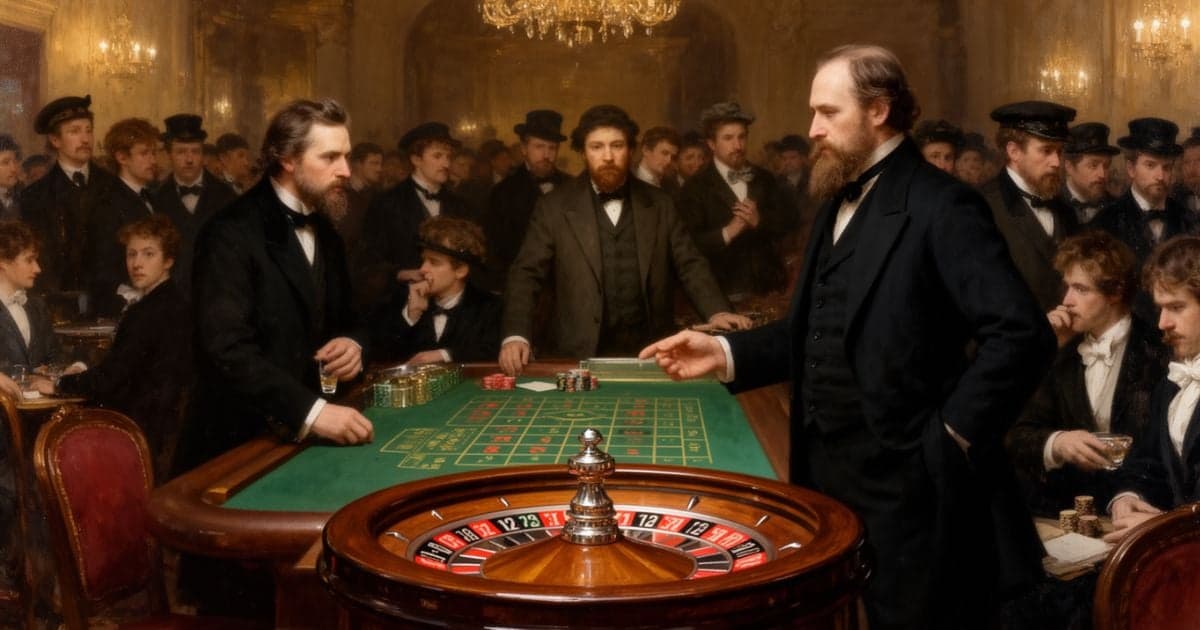
As to the evening party at the Epanchins’ at which Princess Bielokonski was to be present, Varia had reported with accuracy; though she had perhaps expressed herself too strongly. The thing was decided in a hurry and with a certain amount of quite unnecessary excitement, doubtless because “nothing could be done in this house like anywhere else.” The impatience of Lizabetha Prokofievna “to get things settled” explained a good deal, as well as the anxiety of both parents for the happiness of their beloved daughter. Besides, Princess Bielokonski was going away soon, and they hoped that she would take an…
Public-domain chapter text, formatted for reading.
Master this chapter. Complete your experience
Purchase the complete book to access all chapters and support classic literature
Available in paperback, hardcover, and e-book formats
Now let's explore the literary elements.
Key Quotes & Analysis
"nothing could be done in this house like anywhere else"
Context: Explaining why the Epanchins arranged Aglaya's party with extra excitement
The line captures how this family turns every decision into drama that feels unique and fateful.
In Today's Words:
The narrator says nothing could be done in this house like anywhere else, so even a small dinner becomes a crisis. That habit trains everyone to treat ordinary events as verdicts. When your family cannot do anything simply, expect anxiety to multiply before the event begins.
"Upset the Chinese vase"
Context: Sarcastically instructing Myshkin how to behave at tomorrow's party
Her joke plants the idea of disaster and reveals how much she both fears and resents the social test.
In Today's Words:
She tells him to upset the Chinese vase her mother values, half taunt and half prophecy. He hears instruction where she vents fear. When someone jokes about the worst thing you could do in a room, treat it as a map of what terrifies them.
"pure amiable curiosity"
Context: Defending his interception of Aglaya's letter to Gania
Lebedeff rebrands espionage as innocent interest while trading on secrets for access and revenge.
In Today's Words:
He says he acted from pure amiable curiosity when he stole Aglaya's letter and tried to deliver it to her mother himself. The phrase pretties up spying. When someone opens your private message and calls it curiosity, you are dealing with leverage, not manners, and not innocent interest.
"spoke beautifully"
Context: Reporting how the prince described General Ivolgin's illness to Lizabetha Prokofievna at the party
The praise marks one moment when Myshkin's simplicity actually meets the social occasion without disaster.
In Today's Words:
The sisters say he spoke beautifully about the sick general, quietly and without gestures. For once his sincerity fits the room. When plain speech lands well in a polished setting, notice what you did not perform on purpose, because that absence may be the gift.
Thematic Threads
Social Performance
In This Chapter
The dinner party becomes an elaborate theater where everyone plays roles while Myshkin remains genuinely himself
Development
Evolved from earlier social awkwardness—now Myshkin's authenticity is his strength rather than his weakness
In Your Life:
You might recognize this when you feel exhausted after social events where you felt pressured to be 'on' the whole time
Class Anxiety
In This Chapter
The Epanchin family's terror about Myshkin meeting aristocracy reveals their own insecurity about social position
Development
Deepened from previous chapters—class consciousness now affects entire family dynamics
In Your Life:
You see this when visiting 'fancier' neighborhoods or restaurants and feeling like you don't belong
Protective Sabotage
In This Chapter
Aglaya's contradictory advice—helpful warnings mixed with sarcastic suggestions—shows love complicated by resentment
Development
New complexity in Aglaya's character—her feelings are becoming more conflicted
In Your Life:
You experience this when trying to help someone but your own frustrations leak into your guidance
Hidden Manipulation
In This Chapter
Lebedeff intercepting letters and creating drama while pretending to help demonstrates how some people thrive on chaos
Development
Continued pattern—Lebedeff consistently creates problems while positioning himself as the solution
In Your Life:
You encounter this with people who always seem to be in the middle of drama but claim they're just trying to help
Genuine Connection
In This Chapter
Myshkin succeeds at the party because he sees people as individuals rather than social obstacles to overcome
Development
Reinforced theme—Myshkin's sincerity continues to work despite seeming naive
In Your Life:
You feel this when conversations flow naturally because you're focused on the person rather than the impression you're making
You now have the context. Time to form your own thoughts.
Discussion Questions
This is not a test. Five prompts guide you through the chapter, from how it opens to how it closes, so you notice context and rhythm rather than facts to memorize. Sit with each question in your own words. When you see "One way to read it," treat it as a starting point, not the only answer.
- 1
Princess Bielokonski's dinner will judge Myshkin as Aglaya's suitor. Why does family anxiety make him more nervous?
analysis • surfaceOne way to read it
Their fear infects him. He arrived merely himself; now he must pass an exam he did not design, which turns sincerity into stage fright.
- 2
Aglaya gives contradictory advice, from warnings to jokes about breaking china. What conflict does that show?
analysis • mediumOne way to read it
She wants to protect him and resents the social auction. Sarcasm shields affection; care arrives wrapped in tests he cannot grade.
- 3
Lebedeff nearly exposes Aglaya's secret letter to Gania. How does Myshkin navigate loyalty and deception?
analysis • mediumOne way to read it
He blocks exposure without exposing Aglaya publicly, which keeps trust with her while feeding Lebedeff's games. Another layer of performance he must manage before the party even begins.
- 4
At the dinner, 'high society' proves to be roles and grudges behind polish. How do you read rooms where everyone performs?
application • deepOne way to read it
Watch who flatters whom, who is absent, which stories repeat. Myshkin's innocence lets him see the machinery; survival means not mistaking manners for morals.
- 5
When have you borrowed worry from people who loved you, and performed worse because of it?
reflection • deepOne way to read it
The Epanchins' love amplifies pressure. The chapter maps how families can sabotage the very outcome they pray for by making approval feel like a trial.
Critical Thinking Exercise
Separate Your Anxiety from Borrowed Worry
Think of an upcoming situation where you need to perform or make an impression (job interview, meeting someone's family, presentation, etc.). Write down all your worries about it. Then go through each worry and mark whether it's YOUR concern or something others have made you worry about. Notice which anxieties actually belong to you versus which ones you've absorbed from well-meaning people around you.
Consider:
- •Some borrowed anxiety comes disguised as helpful advice or preparation tips
- •Your own concerns are usually more specific and actionable than borrowed ones
- •People often project their past failures or traumas onto your upcoming situations
Journaling Prompt
Write about a time when you succeeded at something precisely because you ignored everyone else's advice and just acted naturally. What made the difference between performing authentically versus trying to meet others' expectations?
Coming Up Next...
Chapter 45: The Breaking Point
As Myshkin settles into the evening feeling unexpectedly confident, his guard drops completely. But in high society, the moment you stop performing is often when the real drama begins At the Epanchins' dinner Prince Myshkin glows with happiness until Ivan Petrovitch pronounces the name Pavlicheff and opens a door to the prince's childhood. Joy turns to agitation when the company casually reports that Myshkin's.