Chapter 10
When Money Meets Pride
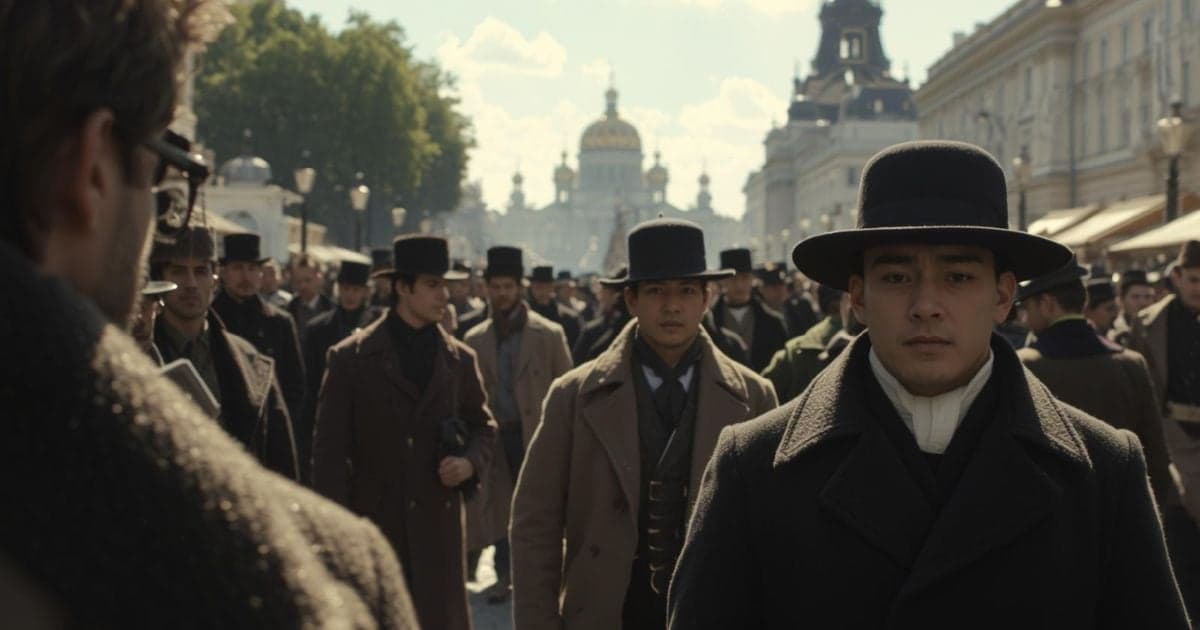
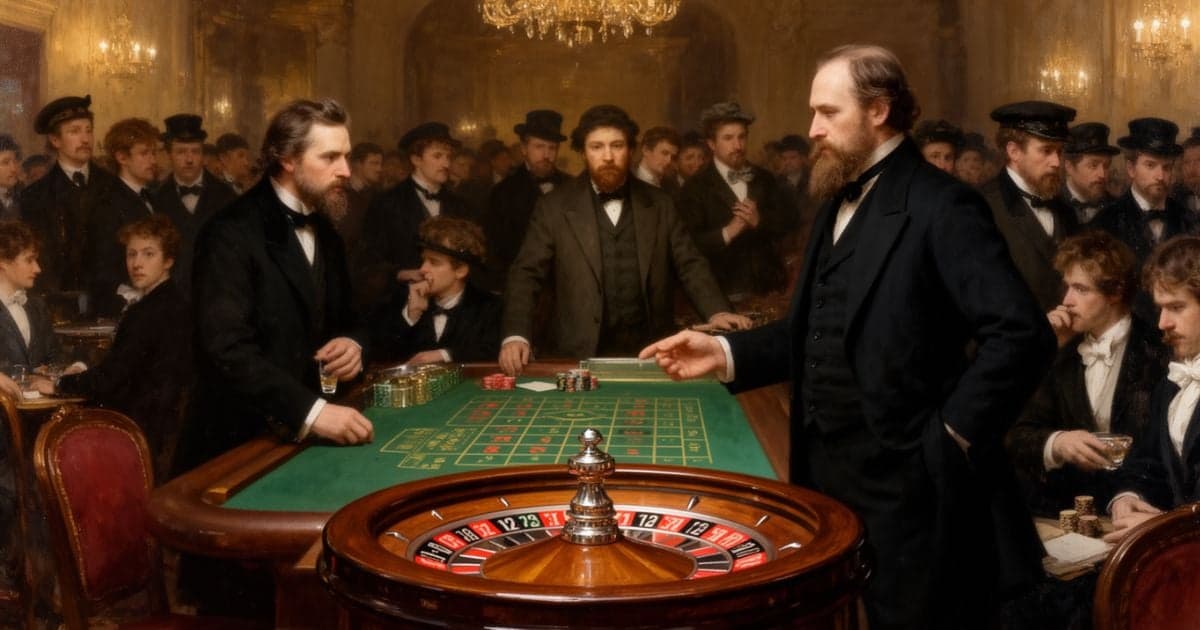
The entrance-hall suddenly became full of noise and people. To judge from the sounds which penetrated to the drawing-room, a number of people had already come in, and the stampede continued. Several voices were talking and shouting at once; others were talking and shouting on the stairs outside; it was evidently a most extraordinary visit that was about to take place. Everyone exchanged startled glances. Gania rushed out towards the dining-room, but a number of men had already made their way in, and met him. “Ah! here he is, the Judas!” cried a voice which the prince recognized at once.…
Public-domain chapter text, formatted for reading.
Master this chapter. Complete your experience
Purchase the complete book to access all chapters and support classic literature
Available in paperback, hardcover, and e-book formats
Now let's explore the literary elements.
Key Quotes & Analysis
"How d'ye do, Gania, you old blackguard?"
Context: Rogozhin's entrance greeting as his crew floods the Ivolgin flat
Public insult announces that Rogozhin has come to destroy Gania's dignity, not negotiate quietly.
In Today's Words:
He greets Gania like a villain in front of mother and sister, which tells everyone this is humiliation theater. Money and obsession have walked through the door together, and the first weapon is not cash yet but contempt spoken where family honor was already thin. Rogozhin brought an audience on purpose.
"Are you going to marry this man, or not?"
Context: Demanding Nastasia's answer before the money offers escalate
Rogozhin risks everything on a single public question, turning private bargaining into spectacle.
In Today's Words:
He asks the question like a man facing execution, because his whole night depends on her no. This is not polite courtship; it is a challenge thrown in a crowded room where pride, love, and survival are already tangled beyond repair. Everyone must witness the answer he is begging for.
"Oh! how ashamed you will be of this afterwards!"
Context: After Gania slaps him for shielding Varia
Instead of retaliation, Myshkin appeals to future conscience and stops the violence cycle.
In Today's Words:
He does not strike back or perform martyrdom; he tells Gania the shame is coming. That unexpected mercy lands harder than a counterblow because it forces the aggressor to imagine himself from the outside for the first time all evening. The room goes quiet because nobody expected that response.
"Eighteen thousand roubles, for me?"
Context: Reacting when Rogozhin throws cash on the table
Her mocking question exposes how money tries to price a person in front of witnesses.
In Today's Words:
She repeats the sum with incredulity because Rogozhin is literally stacking bills to win her in public. The horror is not only the amount; it is that everyone must watch a woman treated like a lot at auction while the men call it love or business. Her laugh is armor, not delight.
Thematic Threads
Moral Courage
In This Chapter
Myshkin intervenes to protect Varia, absorbs violence himself, and challenges Nastasia with gentle directness
Development
Builds on his earlier compassionate responses, showing consistent character under pressure
In Your Life:
You might recognize this when you choose to de-escalate conflict rather than win arguments
Money and Corruption
In This Chapter
Rogojin's escalating financial offers (18k to 100k) reveal how money becomes a weapon in relationships
Development
Expands the earlier themes about Gania's financial desperation into broader corruption of human connection
In Your Life:
You see this when financial pressure makes people compromise their values or treat relationships as transactions
Performance vs Authenticity
In This Chapter
Nastasia performs cruelty but reveals her true nature when challenged with genuine care
Development
Deepens her character complexity established in earlier chapters
In Your Life:
You might recognize this when someone acts tough or mean but responds to genuine kindness
Pride and Shame
In This Chapter
Gania's violent reaction to public humiliation, followed by predicted shame after striking Myshkin
Development
Continues exploring how wounded pride drives destructive behavior
In Your Life:
You experience this when embarrassment makes you lash out instead of addressing the real problem
Class Dynamics
In This Chapter
Rogojin's crude display of wealth contrasts with the Ivolgins' desperate gentility
Development
Shows how different classes wield power and express desperation
In Your Life:
You see this in how people from different backgrounds handle conflict and show status
You now have the context. Time to form your own thoughts.
Discussion Questions
This is not a test. Five prompts guide you through the chapter, from how it opens to how it closes, so you notice context and rhythm rather than facts to memorize. Sit with each question in your own words. When you see "One way to read it," treat it as a starting point, not the only answer.
- 1
Rogozhin escalates his offer from eighteen thousand to one hundred thousand rubles on the table. What is he buying besides Nastasia?
analysis • surfaceOne way to read it
He purchases visibility of his obsession and humiliation of Gania's mercenary betrothal. Each raise says love is not negotiation for him: money is a weapon to tear Nastasia away from a man who treats her as an invoice.
- 2
Varvara calls Nastasia's behavior shameful, and Gania nearly strikes his sister. Why does that moment break the room open?
analysis • mediumOne way to read it
Varvara names what others perform around: Nastasia is staging cruelty. Gania's violence shows his shame has turned outward; the family line between protector and abuser snaps just as Rogozhin's cash makes the marriage look like pimping.
- 3
Myshkin takes the slap meant for Varia and predicts Gania will feel ashamed. How does non-retaliation function here?
analysis • mediumOne way to read it
He absorbs violence without posing as martyr, then speaks to Gania's future conscience instead of the present crowd. The pause lets everyone see the slap as degradation of Gania, not victory, which is why the frenzy stalls.
- 4
The prince asks Nastasia if she is really as cruel as she pretends, and she whispers that he guessed right. When does naming hidden goodness disarm a performance?
application • deepOne way to read it
He refuses her script of icy spectacle and addresses the person under it. That risks naivete, yet it reaches her because everyone else reacts to the mask. Useful when someone's harshness is armor: one calm, specific question can matter more than matching the performance.
- 5
Money, pride, and love collide in one parlor. Where have you seen a financial offer turn a relationship into a public auction?
reflection • deepOne way to read it
Rogozhin's stacks literalize what Gania's marriage already was. The chapter asks you to notice when price tags replace consent, and whether anyone in the room has the courage to protect the person treated as the lot for sale.
Critical Thinking Exercise
Map Your De-escalation Toolkit
Think of three different situations where you've faced aggression or conflict: at work, at home, and in public. For each scenario, write down what your usual response would be, then brainstorm an alternative response inspired by Myshkin's approach. Consider what the underlying fear or pain might be driving the other person's behavior.
Consider:
- •Safety first - this approach doesn't work with genuine threats or abuse
- •The goal isn't to fix the other person, but to avoid making the situation worse
- •Sometimes the kindest response is setting a firm boundary with compassion
Journaling Prompt
Write about a time when someone's unexpected gentleness completely changed how you were behaving. What did that teach you about the power of breaking cycles?
Coming Up Next...
Chapter 11: The Art of Sincere Apology
The aftermath of Rogojin's dramatic offer and the prince's moral intervention leaves everyone shaken. As the dust settles, the true cost of the evening's revelations becomes clear, and new alliances begin to form in unexpected ways..