Master this chapter. Complete your experience
Purchase the complete book to access all chapters and support classic literature

As an Amazon Associate, we earn a small commission from qualifying purchases at no additional cost to you.
Available in paperback, hardcover, and e-book formats
Why This Matters
Connect literature to life
This chapter teaches how to recognize when your genuine value gets overshadowed by superficial distractions or family reputation.
Practice This Today
This week, notice when the loudest person gets attention while quieter contributors get ignored, and practice documenting your own achievements before they get forgotten.
Now let's explore the literary elements.
Key Quotes & Analysis
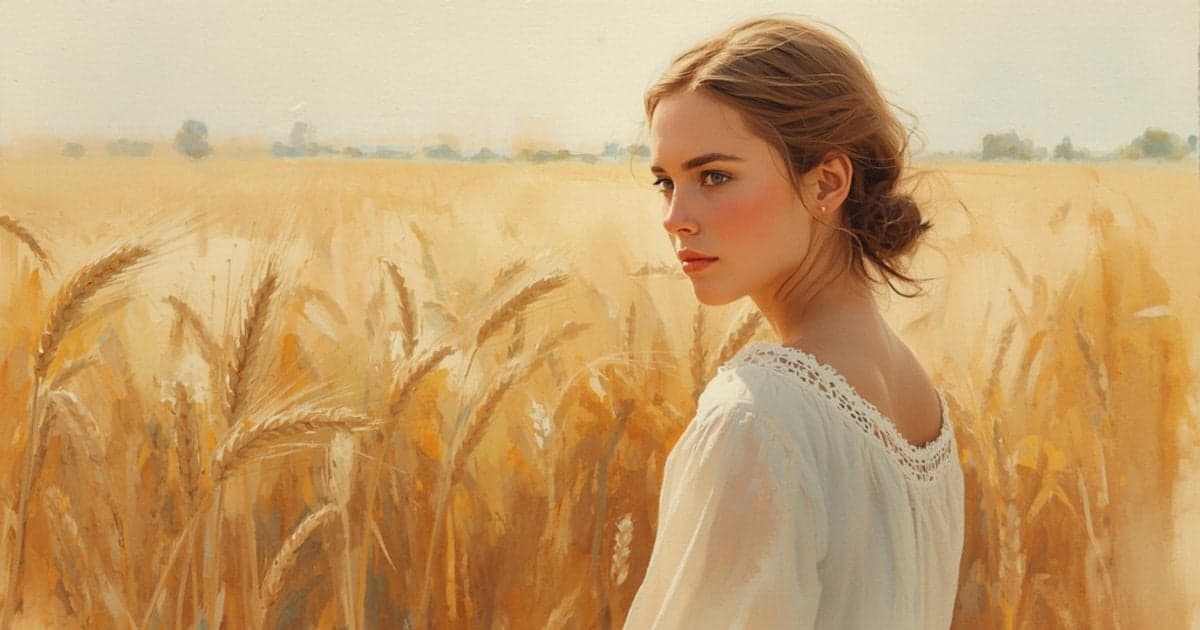
"She was a fine and handsome girl—not handsomer than some others, possibly—but her mobile peony mouth and large innocent eyes added eloquence to colour and shape."
Context: Describing Tess as she dances with the other village women
Hardy immediately establishes Tess's natural beauty and innocence, qualities that will both attract and endanger her. The description emphasizes her youth and vulnerability while hinting at the attention she'll receive.
In Today's Words:
She was pretty - maybe not the prettiest, but there was something special about her smile and the way she looked at the world.
"The young man with the dancing eyes and the red ribbon in her hair had done nothing to deserve such treatment."
Context: After Angel fails to ask Tess to dance and she feels slighted
This establishes the first missed connection between Tess and Angel. Hardy shows how small social slights can have lasting emotional impact, especially when class differences are involved.
In Today's Words:
She didn't do anything wrong to be ignored like that.
"Phases of her childhood lurked in her aspect still. As she walked along to-day, for all her bouncing handsome womanliness, you could sometimes see her twelfth year in her cheeks, or her ninth sparkling from her eyes."
Context: Describing Tess's youthful appearance despite her growing maturity
Hardy emphasizes Tess's youth and innocence, making her vulnerable to the adult world she's entering. This description foreshadows how her childlike trust will be exploited by older, more experienced people.
In Today's Words:
Even though she was becoming a woman, you could still see the little girl in her face.
Thematic Threads
Class
In This Chapter
John's noble bloodline discovery means nothing practically, but his drunken boasting about it brings family shame
Development
Building on Chapter 1's revelation—now we see how class consciousness creates real social damage
In Your Life:
You might feel pressure to name-drop connections or credentials instead of letting your actual work speak
Identity
In This Chapter
Tess stands out naturally through beauty and character, but feels defined by her father's embarrassing behavior
Development
Introduced here—the tension between who you are versus how others see you
In Your Life:
You might find yourself apologizing for family members or feeling their actions reflect on you
Social Expectations
In This Chapter
The May Day dance represents both community tradition and limited opportunities for these village women
Development
Introduced here—rituals that bind communities but also constrain possibilities
In Your Life:
You might participate in workplace or family traditions that feel meaningful but also limiting
Missed Connections
In This Chapter
Angel Clare joins the dance but overlooks Tess entirely, creating mutual regret and lost opportunity
Development
Introduced here—how timing and attention shape our relationships
In Your Life:
You might wonder about chances you didn't take or people who didn't notice your interest
Pride
In This Chapter
Tess's defensive reaction to teasing shows both healthy self-respect and dangerous vulnerability
Development
Introduced here—pride as both protection and weakness
In Your Life:
You might react strongly when others joke about sensitive topics, revealing what matters most to you
You now have the context. Time to form your own thoughts.
Discussion Questions
- 1
Why does Tess feel ashamed when her father rides through town drunk and singing about being a d'Urberville?
analysis • surface - 2
Angel Clare joins the May Day dance but doesn't choose Tess as his partner. What does this missed connection reveal about how we notice or overlook people?
analysis • medium - 3
Think about your workplace or school. Who gets recognized and who gets overlooked? What patterns do you notice?
application • medium - 4
Tess has real beauty and character, but her father's empty boasting about noble blood gets all the attention. How do you make your genuine qualities visible without becoming fake or loud?
application • deep - 5
The chapter shows how family reputation can burden us. When should you distance yourself from family behavior, and when should you stand by them?
reflection • deep
Critical Thinking Exercise
Map Your Recognition Patterns
Think about the last month at work, school, or in your family. Write down three times someone got recognition or attention. Next to each, note whether it was for genuine contribution or for being loud/dramatic. Then write down one person whose good work went unnoticed. What pattern do you see, and how might you change it?
Consider:
- •Look for both positive and negative attention - sometimes bad behavior gets more notice than good work
- •Consider your own role - do you give attention to the right people?
- •Think about timing - when are people most likely to notice genuine contributions?
Journaling Prompt
Write about a time when your good work went unnoticed while someone else got credit for flashier but less valuable contributions. How did it feel, and what would you do differently now?
Coming Up Next...
Chapter 3: The Weight of Discovery
Back at the Durbeyfield cottage, the family grapples with their newfound knowledge of noble ancestry. But grand bloodlines don't pay bills or put food on the table, and the family's poverty creates pressures that will soon force difficult decisions.