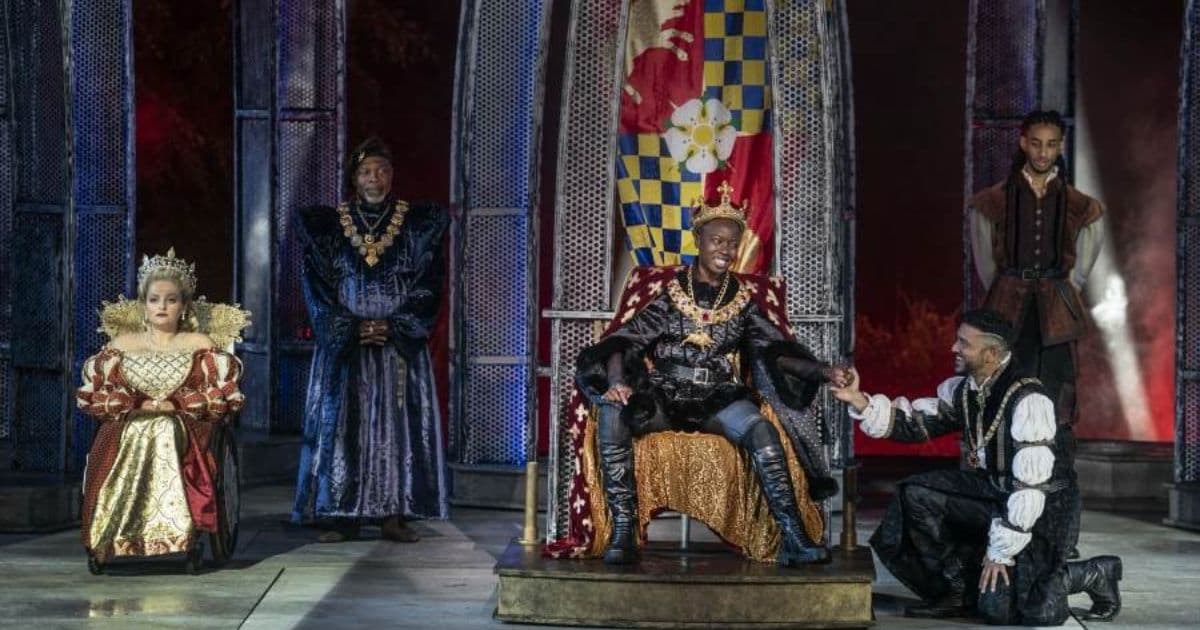
Chapter 07
Act II, Scene 3: The Citizens' Fears
Scena Tertia. Enter one Citizen at one doore, and another at the other. 1.Cit. Good morrow Neighbour, whether away so fast? 2.Cit. I promise you, I scarsely know my selfe: Heare you the newes abroad? 1. Yes, that the King is dead 2. Ill newes byrlady, seldome comes the better: I feare, I feare, 'twill proue a giddy world. Enter another Citizen. 3. Neighbours, God speed 1. Giue you good morrow sir 3. Doth the newes hold of good king Edwards death? 2. I sir, it is too true, God helpe the while 3. Then Masters looke to see a…
Public-domain chapter text, formatted for reading.
Master this chapter. Complete your experience
Purchase the complete book to access all chapters and support classic literature

Available in paperback, hardcover, and e-book formats
Now let's explore the literary elements.
Key Quotes & Analysis
"Woe to that Land that's gouern'd by a Childe"
Context: The citizens debating what Edward's death means for the realm
The street reads the succession before the court acts. A child king means regents, rivalry, and a kingdom exposed.
In Today's Words:
The third citizen says a country ruled by a child is cursed before the coronation even happens. That is how ordinary people read power vacuums first: not who will win, but how unstable the center will be. When leadership passes to someone too young to hold it, ask who will fight to stand closest.
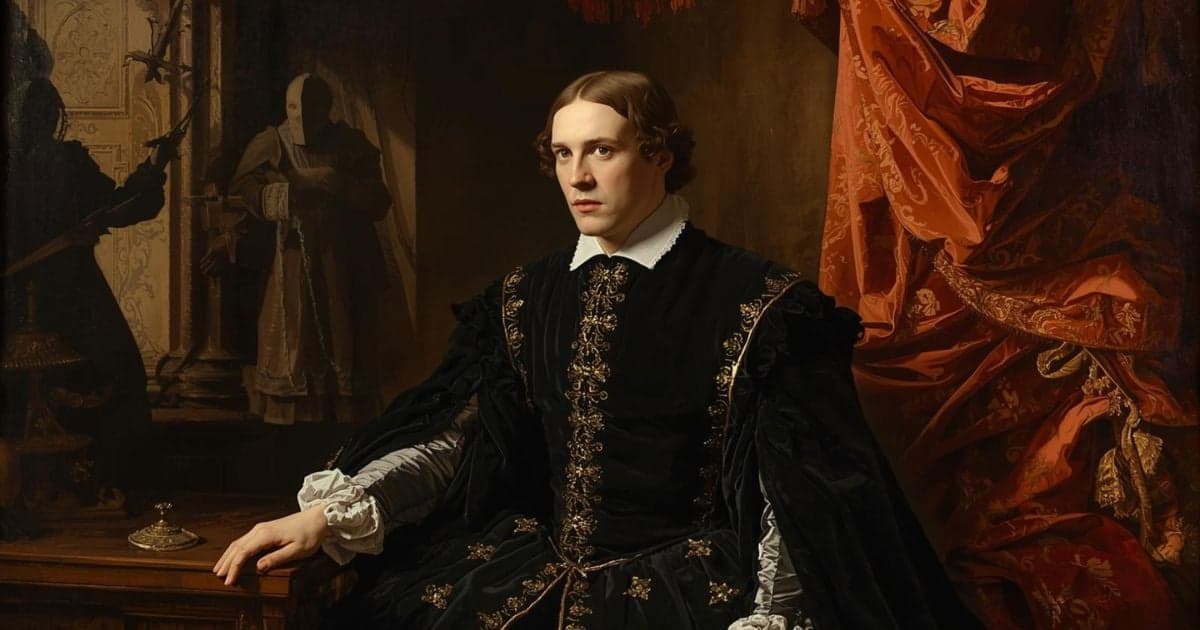
"O full of danger is the Duke of Glouster, And the Queenes Sons, and Brothers, haught and proud:"
Context: Naming the factions that will compete over the young king
Gloucester is named from outside the palace by a man with no warrant, only instinct. The crowd already knows where the fight will land.
In Today's Words:
A citizen with no insider memo names Gloucester and the Queen's faction as the danger before either side has moved. That is how reputations travel downward when the top starts scheming. When people far from the boardroom can already list the predators, the problem is not rumor. It is pattern recognition.
"When Clouds are seen, wisemen put on their clokes; When great leaues fall, then Winter is at hand;"
Context: The third citizen reading omens before political change
Folk wisdom becomes political forecast. The citizens do not need proof of Richard's plot to know winter is coming.
In Today's Words:
The citizen stacks plain omens because argument no longer comforts anyone. Clouds mean cloaks, falling leaves mean winter, and everyone in the scene already knows what season follows a dead king. When people stop debating facts and start reading signs, the organization or country has already entered the fear phase.
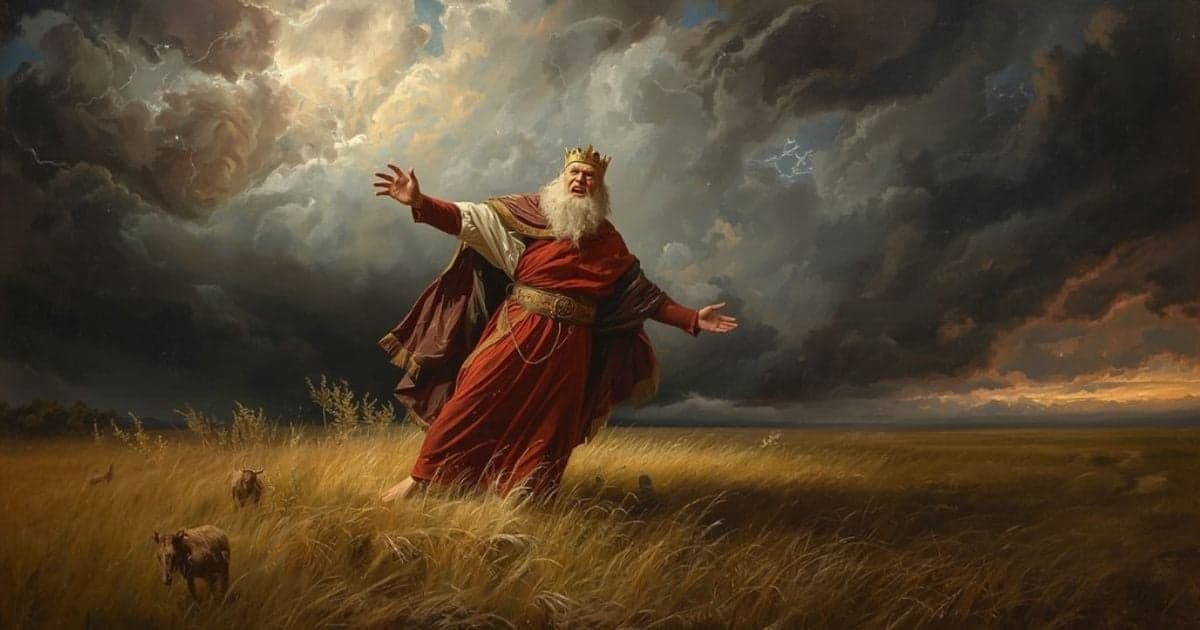
"The Water swell before a boyst'rous storme:"
Context: Closing the citizens' scene on instinct before change
Fear precedes the visible crisis. The water rises before the storm breaks, and these men feel the swell without seeing the wave.
In Today's Words:
The citizen says water swells before a violent storm, which is how dread works in institutions too. The hallway mood shifts before the memo, the reorg, or the arrest. If people far from power are already bracing, do not wait for official proof to take the swell seriously.
Thematic Threads
Street-Level Dread
In This Chapter
Three citizens feel Edward's death as trouble before any decree, piling cloud, leaf, and water omens onto their fear
Development
Instability at the top changes mood on the street before the court explains itself
In Your Life:
When people far from power start reading signs, ask what vacuum they are responding to before official news lands.
Child-King Vacuum
In This Chapter
One citizen hopes the son will reign; another warns a land governed by a child is doomed and names Gloucester and the Queen's kindred as the fight to come
Development
Succession anxiety becomes named factions before the princes reach London
In Your Life:
In any leadership transition to someone inexperienced, list who will compete to stand nearest and who gets touched first.
You now have the context. Time to form your own thoughts.
Discussion Questions
This is not a test. Five prompts guide you through the chapter, from how it opens to how it closes, so you notice context and rhythm rather than facts to memorize. Sit with each question in your own words. When you see "One way to read it," treat it as a starting point, not the only answer.
- 1
Why does the third citizen use Henry VI as a counterexample to the optimist's hope?
analysis • surfaceOne way to read it
Henry was crowned in Paris at nine months yet brought disaster on England. The third citizen uses history to show that child rule is warning, not reassurance, when protectors are already rivals.
- 2
What does it mean that Gloucester is named as dangerous by a citizen with no court access?
analysis • mediumOne way to read it
Street dread knows Richard threatens the realm without insider proof. Common fear mirrors Margaret's warnings the elite ignore because reputation still masks pattern.
- 3
How do the cloud, leaf, and water images function as political forecast rather than poetry?
application • mediumOne way to read it
The third citizen reads instability in folk omens when formal news is incomplete. Clouds mean cloaks, falling leaves mean winter, swelling water means storm: dread arrives before the decree.
- 4
Why does the second citizen say fear has made men almost beyond reason?
application • deepOne way to read it
Succession crisis spreads faster than facts. Hearts fill with terror before anyone can explain who will rule, which is how systemic manipulation becomes public mood.
- 5
When have you felt organizational or public dread before anyone officially explained what was happening?
reflection • deepOne way to read it
Treat early dread as data about trust in leadership and transition. When workers or citizens name danger before executives speak, the mood often sees the pattern first.
Critical Thinking Exercise
The Ripple Effect
Think about how manipulation at the top affects everyone below.
Consider:
- •How does leadership behavior affect the entire organization?
- •What are the signs of systemic manipulation?
Coming Up Next...
Chapter 8: Act II, Scene 4: The Queen's Flight
The Queen waits with young York at Westminster; news arrives that Rivers and Grey are imprisoned, and she flees to sanctuary with the Archbishop's help.