Chapter 34
A proposal delivered as condescension can trigger total rejection, ...
[Illustration] When they were gone, Elizabeth, as if intending to exasperate herself as much as possible against Mr. Darcy, chose for her employment the examination of all the letters which Jane had written to her since her being in Kent. They contained no actual complaint, nor was there any revival of past occurrences, or any communication of present suffering. But in all, and in almost every line of each, there was a want of that cheerfulness which had been used to characterize her style, and which, proceeding from the serenity of a mind at ease with itself, and kindly disposed…
Public-domain chapter text, formatted for reading.
Master this chapter. Complete your experience
Purchase the complete book to access all chapters and support classic literature
Available in paperback, hardcover, and e-book formats
Now let's explore the literary elements.
Key Quotes & Analysis
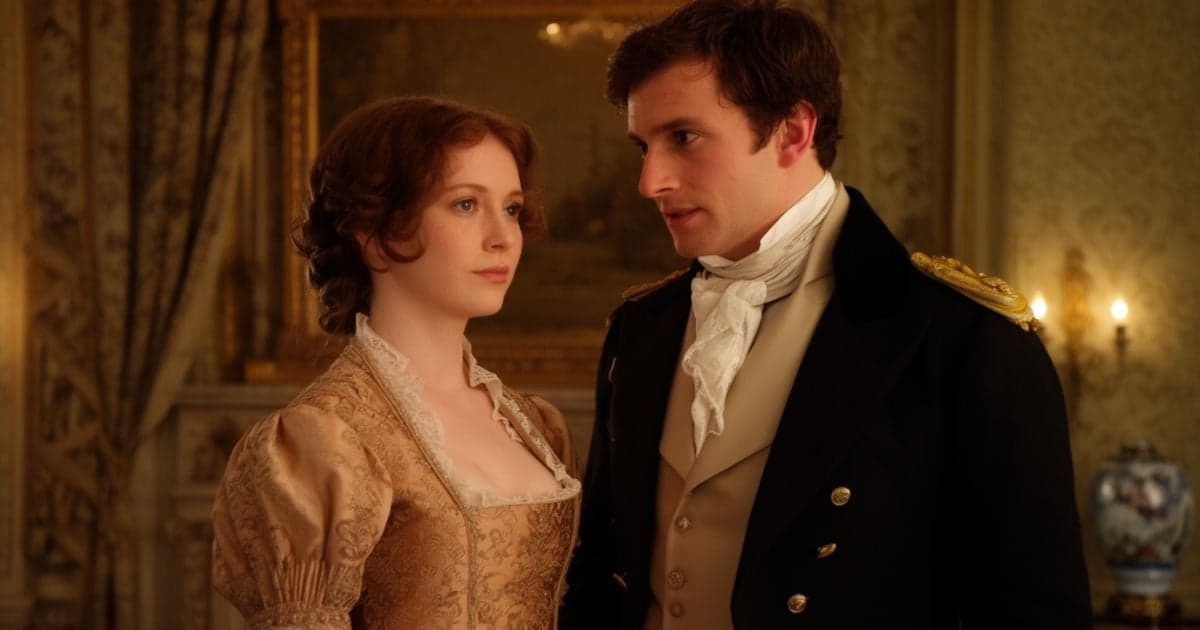
"In vain have I struggled. It will not do. My feelings will not be repressed. You must allow me to tell you how ardently I admire and love you.”"
Context: Opening his proposal in the parsonage
The most quoted proposal opening in English fiction—passion framed as defeat.
In Today's Words:
Sometimes you reach a breaking point where you can't keep pretending anymore. Like finally admitting you have feelings for that difficult coworker everyone warned you about. The heart wants what it wants, even when your brain knows it's complicated. You just have to put yourself out there and hope for the best, despite all logic.
"you were the last man in the world whom I could ever be prevailed on to marry.”"
Context: Final blow before Darcy withdraws
Elizabeth's definitive verdict on their entire acquaintance—immovable dislike.
In Today's Words:
It's like telling someone they're literally the worst possible match on a dating app. When you've built up such a negative impression of someone, especially in professional settings, it feels impossible to see them differently. Sometimes our first judgments become so entrenched that we can't imagine any scenario where things could work out between us.
"I rejoice in my success. Towards _him_ I have been kinder than towards myself."
Context: Admitting his role in Jane and Bingley
No remorse—he confirms Elizabeth's worst charge at the height of his suit.
In Today's Words:
He's basically saying he has no regrets about sabotaging his friend's relationship because he thought he knew better. It's that toxic workplace mentality where someone meddles in others' lives while claiming it's for their own good. Classic case of someone being so convinced they're right that they can't see how controlling and presumptuous they're being.
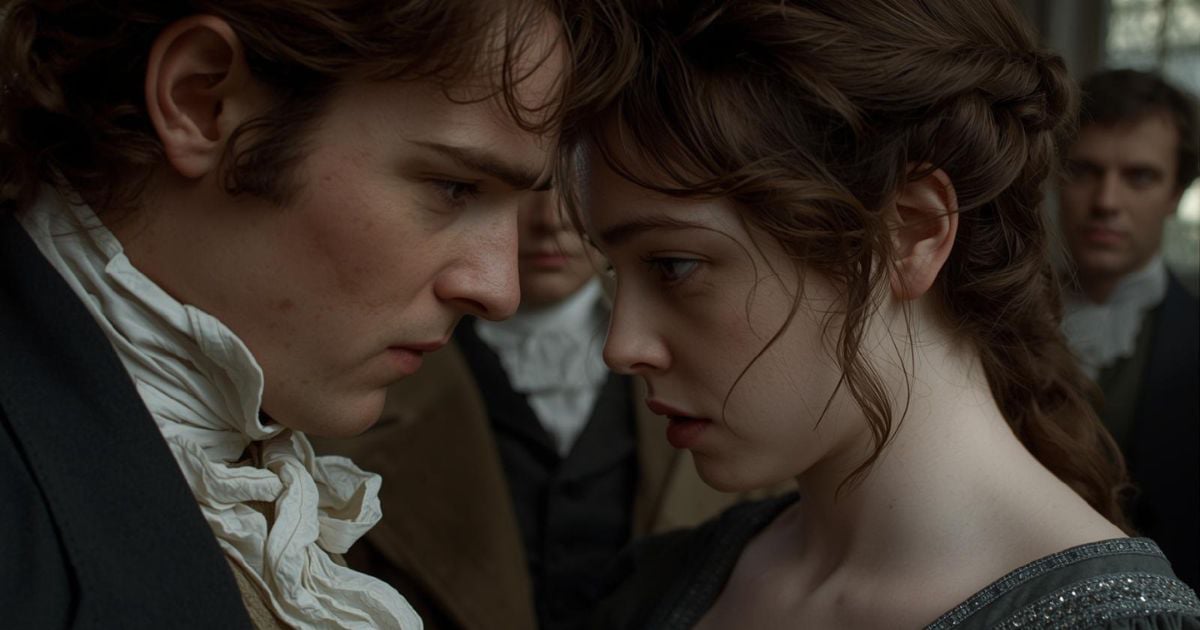
"She paused, and saw with no slight indignation that he was listening with an air which proved him wholly unmoved by any feeling of remorse. He even looked at her with a smile of affected incredulity"
Context: From the second half of the chapter
This line anchors the chapter's closing movement and shows how social pressure and private feeling collide in the scene.
In Today's Words:
In today's language, the passage says: She paused, and saw with no slight indignation that he was listening with an air which proved him wholly unmoved by any feeling of remorse. He even looked at he Readers still recognize the same dynamic when pride, strategy, or family pressure turns a private moment into public consequence.
Thematic Threads
Pride in proposing
In This Chapter
Inferiority and degradation
Development
Elizabeth's fury
In Your Life:
When has love been offered with conditions that felt like insult?
Prejudice confirmed
In This Chapter
Wickham and Jane charges
Development
Letter will complicate
In Your Life:
When have you rejected someone using a story you had not verified?
Honesty vs policy
In This Chapter
Darcy will not disguise
Development
He defends scruples openly
In Your Life:
When has bluntness made a bad situation worse?
Jane's wound
In This Chapter
Separation admitted
Development
Central to refusal
In Your Life:
When has harm to family made romance impossible?
Self-knowledge deferred
In This Chapter
Elizabeth cries, reviews
Development
Letter forces revision
In Your Life:
When did a confrontation leave you shaken but not yet changed?
You now have the context. Time to form your own thoughts.
Discussion Questions
This is not a test. Five prompts guide you through the chapter, from how it opens to how it closes, so you notice context and rhythm rather than facts to memorize. Sit with each question in your own words. When you see "One way to read it," treat it as a starting point, not the only answer.
- 1
Why does Elizabeth re-read Jane's letters at the start of the chapter?
analysis • surfaceOne way to read it
Jane's cheerless letters fuel Elizabeth's anger at Darcy after learning he separated Jane and Bingley. She reads them to strengthen her conviction that he has injured her sister.
- 2
How does Mr. Darcy begin his proposal, and what makes it offensive to Elizabeth?
analysis • mediumOne way to read it
He declares he ardently admires and loves her, but dwells on her inferiority, the degradation of the connection, and family obstacles. The warmth of his avowal wounds rather than woos.
- 3
When have you rejected someone not only because you disliked them but because of how they offered themselves?
application • mediumOne way to read it
Think of refusing an apology that sounded like an insult, a job offer framed as charity, or Elizabeth hearing love spoken as condescension toward her family and rank.
- 4
Mr. Darcy admits he did everything to separate Jane and Bingley and rejoices in his success. How does that confession shape Elizabeth's refusal?
application • deepOne way to read it
It turns personal dislike into moral outrage. She is not refusing only a proud man but someone who boasts of crushing her sister's happiness and feels justified doing so.
- 5
Elizabeth tells Darcy he was the last man in the world she could marry, then sits and cries half an hour. What contradiction does she feel afterward?
reflection • deepOne way to read it
She is astonished that he loved her at all while finding him proud, cruel, and unfeeling about Jane and Wickham. Rejection and disturbance coexist because the proposal overturned what she thought she knew about his regard.
Critical Thinking Exercise
The Insult Inside the Offer
Recall a time someone wanted something from you while making clear they looked down on you or your people. How did you respond? What would you say now?
Consider:
- •What was the condescension disguised as?
- •Did you name specific harms or only general dislike?
- •What did you learn later that you did not know then?
Coming Up Next...
Chapter 35: Chapter XXXV
Mr. Darcy will leave Elizabeth a letter that overturns what she thought she knew about Wickham, and about herself. A proposal delivered as condescension can trigger total rejection, and both parties leave more certain and more wrong..