Chapter 08
Memories Shape Our Vision
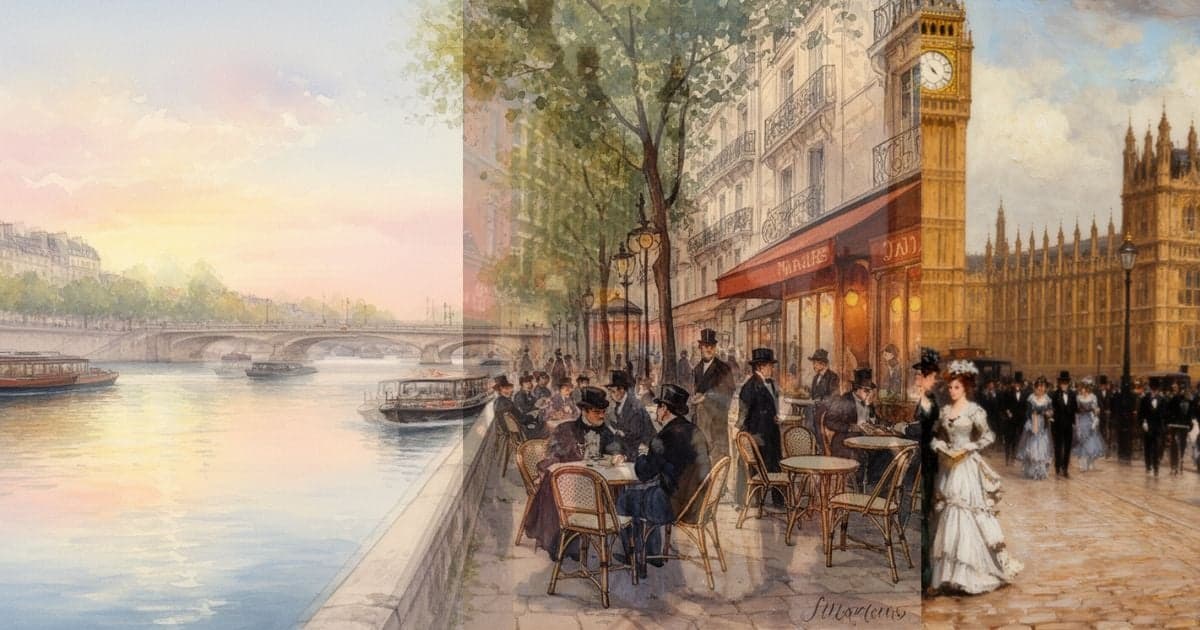
Recollections Ibarra's carriage was passing through a part of the busiest district in Manila, the same which the night before had made him feel sad, but which by daylight caused him to smile in spite of himself. The movement in every part, so many carriages coming and going at full speed, the carromatas and calesas, the Europeans, the Chinese, the natives, each in his own peculiar costume, the fruit-venders, the money-changers, the naked porters, the grocery stores, the lunch stands and restaurants, the shops, and even the carts drawn by the impassive and indifferent carabao, who seems to amuse himself…
Public-domain chapter text, formatted for reading.
Master this chapter. Complete your experience
Purchase the complete book to access all chapters and support classic literature
Available in paperback, hardcover, and e-book formats
Now let's explore the literary elements.
Key Quotes & Analysis
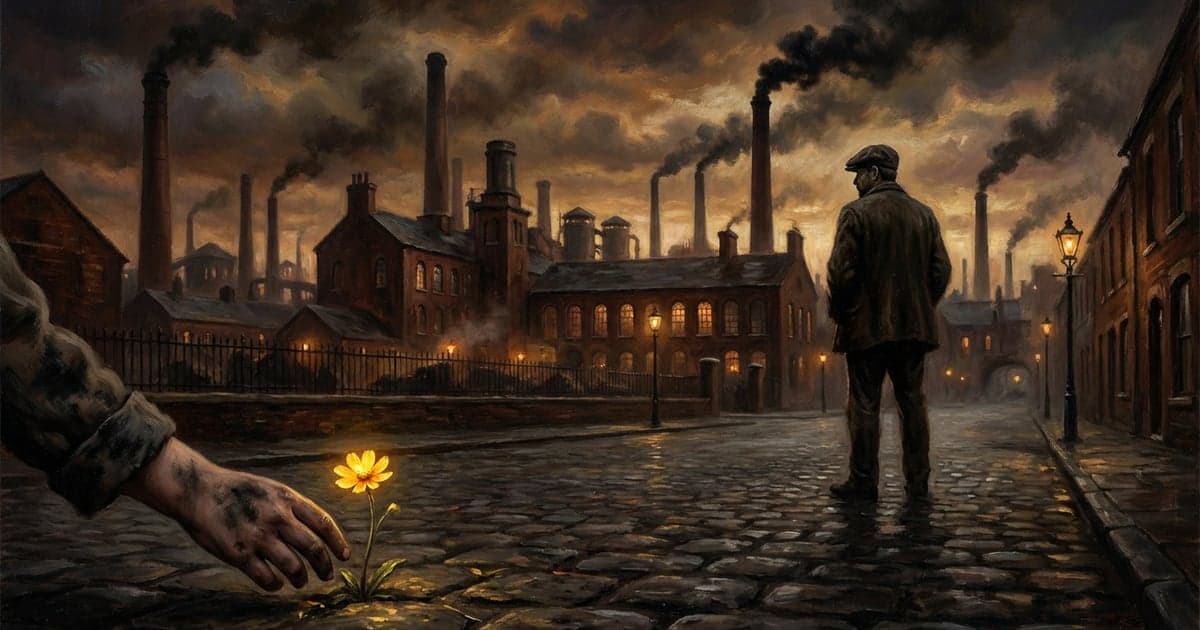
"Those streets had not yet been paved,"
Context: Recalling Manila's muddy past
Unpaved streets become metaphor for unfinished nationhood: progress is cosmetic while labor still breaks bodies. Memory ties infrastructure to class.
In Today's Words:
The city remembers mud and dust before pavement, reminding readers that visible improvements can hide who paid in sweat and chains. The same pattern still appears when corrupt institutions punish honesty, reward flattery, and teach people to mistake cruelty for order or tradition. The same pattern still appears when corrupt institutions punish honesty, reward flattery,
"Do not forget that if knowledge is the heritage of mankind, it is only the courageous who inherit it,"
Context: Farewell to Ibarra at Bagumbayan
The teacher defines education as courage, not tourism. Knowledge without bravery changes nothing at home.
In Today's Words:
A mentor warns that books belong to everyone but only those who risk comfort will use them for others' freedom. The same pattern still appears when corrupt institutions punish honesty, reward flattery, and teach people to mistake cruelty for order or tradition. The same pattern still appears when corrupt institutions punish honesty, reward flattery, and
"all that glitters is not gold."
Context: Warning before Ibarra's voyage to Europe
The cliché becomes prophecy: Europe dazzles but can seduce colonials into forgetting their people. Ibarra must learn to discriminate among foreign models.
In Today's Words:
He tells the youth to admire Europe carefully, because wealth and glamour abroad may not translate into justice here. The same pattern still appears when corrupt institutions punish honesty, reward flattery, and teach people to mistake cruelty for order or tradition. The same pattern still appears when corrupt institutions punish honesty, reward flattery, and teach
"No, in spite of everything, the fatherland first, first the Philippines, the child of Spain, first the Spanish fatherland!"
Context: Murmuring at Bagumbayan after remembering his teacher
Despite European horizons, Ibarra affirms primary loyalty to the Philippines within its colonial bond to Spain. The tension fuels his later reforms.
In Today's Words:
He chooses country over comfort, declaring that education must return to serve the place that formed him. The same pattern still appears when corrupt institutions punish honesty, reward flattery, and teach people to mistake cruelty for order or tradition. The same pattern still appears when corrupt institutions punish honesty, reward flattery, and teach people to
Thematic Threads
Identity
In This Chapter
Ibarra struggles with his dual identity—European-educated but Filipino-hearted, able to see his homeland's flaws while still declaring his loyalty to it
Development
Building on his earlier discomfort with Manila's poverty, now showing the internal conflict of loving a place while seeing its problems clearly
In Your Life:
You might feel this tension when you outgrow your family's expectations but still love them, or when you see your workplace's problems but need the job.
Class
In This Chapter
The stark contrast between the chain gang convicts and the indifferent passersby reveals how class differences create emotional distance and moral numbness
Development
Continues the exploration of social hierarchies, now focusing on how privilege shields people from seeing suffering
In Your Life:
You see this when people in comfortable positions dismiss others' struggles as 'just how things are' rather than recognizing systemic problems.
Memory
In This Chapter
Childhood memories flood back as Ibarra revisits familiar places, showing how physical spaces trigger emotional recollections and shape identity
Development
Introduced here as a key element in how the past influences present perspective
In Your Life:
You experience this when returning to your hometown or childhood neighborhood triggers memories that reshape how you see your current life.
Social Expectations
In This Chapter
Ibarra was marked as 'different' from childhood for feeling compassion where others showed indifference, highlighting how society pressures people to conform emotionally
Development
Expands on earlier themes of conformity, showing how emotional responses are policed from an early age
In Your Life:
You might recognize this when you're told you're 'too sensitive' for caring about issues others ignore, or when your empathy is seen as weakness.
Progress
In This Chapter
Ibarra observes physical improvements in Manila while recognizing deeper social problems remain unchanged, showing the complexity of genuine progress
Development
Introduced here as the tension between surface improvements and systemic issues
In Your Life:
You see this when your workplace gets new equipment but keeps toxic management, or when your community builds fancy developments while ignoring poverty.
You now have the context. Time to form your own thoughts.
Discussion Questions
This is not a test. Five prompts guide you through the chapter, from how it opens to how it closes, so you notice context and rhythm rather than facts to memorize. Sit with each question in your own words. When you see "One way to read it," treat it as a starting point, not the only answer.
- 1
Why does the same Manila street feel different to Ibarra by day than by night?
analysis • surfaceOne way to read it
Grief narrowed his vision at night; daylight wakes memory and comparison. The city holds both nostalgia and critique once he looks openly.
- 2
What effect does the convict labor scene have on Ibarra's character development?
analysis • mediumOne way to read it
As a child he alone was moved by a dead prisoner, suggesting early moral sensitivity to state violence that others normalized.
- 3
What does the old priest mean when he says only the courageous inherit knowledge?
application • mediumOne way to read it
Learning is common heritage, but applying it against injustice requires risk. Ibarra must bring ideas home, not merely collect them abroad.
- 4
How does Ibarra balance love for Europe with loyalty to the Philippines?
application • deepOne way to read it
He admires European dynamism yet insists the fatherland comes first. Education should serve his people, not replace them with imitation.
- 5
When has learning something new changed how you see your hometown?
reflection • deepOne way to read it
Answers may describe school, travel, or work exposing inequality or beauty previously ignored. The chapter validates both pride and critical love.
Critical Thinking Exercise
Map Your Educated Sight
Think of a time when you gained new knowledge or experience that changed how you see a familiar situation, maybe through training, travel, a new job, or education. Write down what you noticed that you couldn't see before, and how this new perspective affected your relationships with people who hadn't had the same experience.
Consider:
- •Notice whether your new perspective made you feel superior, isolated, or responsible for change
- •Consider how you handled the gap between what you now knew and what others around you accepted
- •Reflect on whether you found ways to share your insights without alienating people you care about
Journaling Prompt
Write about a situation where you currently have 'educated sight', you can see problems or possibilities that others around you don't recognize. How are you choosing to navigate this knowledge? What would courage look like in this situation?
Coming Up Next...
Chapter 9: Power Plays Behind Closed Doors
Ibarra's journey continues as he encounters the local affairs and personalities that will shape his attempts to bring progress to his hometown. The tension between his idealistic plans and the reality of local politics begins to emerge..