

Chapter 20
The Power of Imagination
OF THE FORCE OF IMAGINATION “Fortis imaginatio generat casum,” say the schoolmen. [“A strong imagination begets the event itself.”—Axiom. Scholast.] I am one of those who are most sensible of the power of imagination: every one is jostled by it, but some are overthrown by it. It has a very piercing impression upon me; and I make it my business to avoid, wanting force to resist it. I could live by the sole help of healthful and jolly company: the very sight of another’s pain materially pains me, and I often usurp the sensations of another person. A perpetual cough…
Public-domain chapter text, formatted for reading.
Critical Thinking Exercise
Track Your Expectation Cycles
Think of a situation where you regularly expect things to go wrong - maybe giving presentations, having difficult conversations, or trying something new. Write down the specific thoughts that run through your head beforehand, then trace how those thoughts might be creating the very outcomes you fear. Finally, rewrite your mental script with more helpful expectations.
Consider:
- •Notice the physical sensations that come with negative expectations - tension, shallow breathing, racing heart
- •Consider how your expectations might change your behaviour in ways that sabotage success
- •Remember that changing your mental script isn't about fake positivity but about realistic confidence
Journaling Prompt
Write about a time when your expectations - positive or negative - seemed to create exactly what you predicted would happen. What does this teach you about the power of your own mind?
Master this chapter. Complete your experience
Purchase the complete book to access all chapters and support classic literature

Available in paperback, hardcover, and e-book formats
You Might Also Like


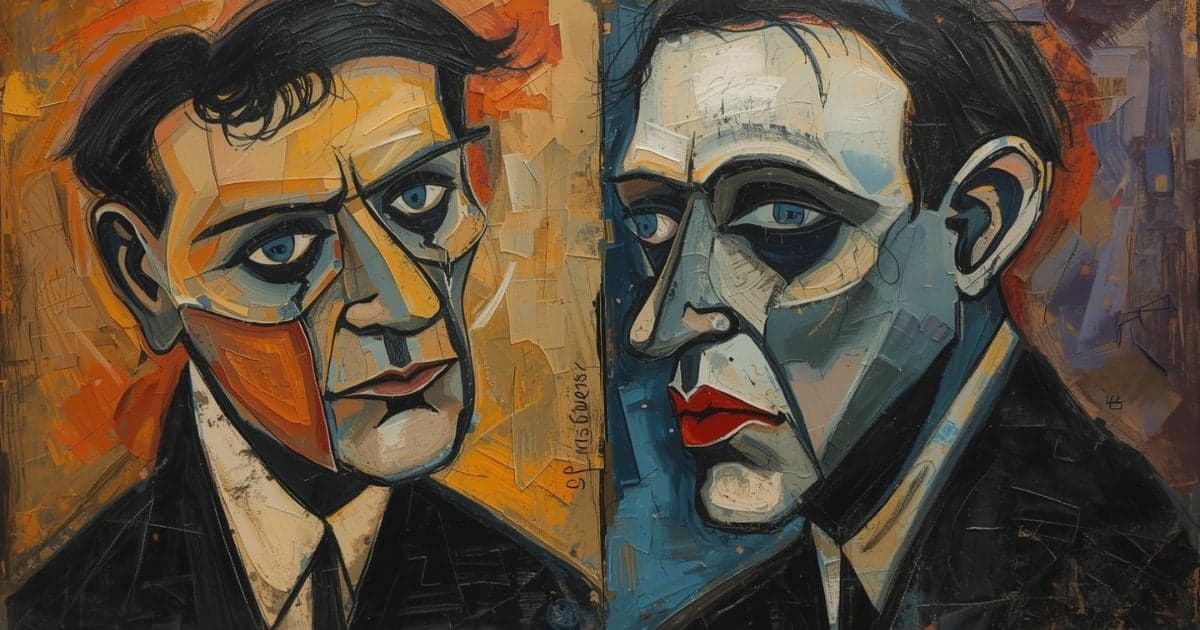
Lessons from The Essays of Montaigne
Theme-by-theme analyses that connect this book to modern life skills.
Choosing Real Friendship
Hear essay 27 answer La Boétie: because it was he, because it was I.
8 chapters·Explore AnalysisEmbracing Uncertainty
Hear essay 31: nothing is so firmly believed as what we least know, and Que sais-je is a working motto.
8 chapters·Explore AnalysisLiving With Mortality
Hold essay 19: Egyptian skeletons at the feast, a tennis ball after dinner, and Vespasian dying standing.
8 chapters·Explore AnalysisSelf-Examination
Sit with essay 1 and the late report: man is fickle, and others form him while Montaigne only writes him down.
8 chapters·Explore AnalysisAuthentic Self-Expression
Watch essay 73 drop the costume: we are nothing but ceremony until the unforced face is left.
7 chapters·Explore AnalysisTesting Experience Against Theory
Stay with custom as schoolmistress, the Brazilian witnesses, and the law that makes silk more desirable by forbidding it.
8 chapters·Explore Analysis
Deep diving the literary elements.