Chapter 54
The Longing Heart Returns Home
CHAPTER LIV. “Negli occhi porta la mia donna Amore; Per che si fa gentil ciò ch’ella mira: Ov’ella passa, ogni uom ver lei si gira, E cui saluta fa tremar lo core. Sicchè, bassando il viso, tutto smore, E d’ogni suo difetto allor sospira: Fuggon dinanzi a lei Superbia ed Ira: Aiutatemi, donne, a farle onore. Ogni dolcezza, ogni pensiero umile Nasce nel core a chi parlar la sente; Ond’è beato chi prima la vide. Quel ch’ella par quand’ un poco sorride, Non si può dicer, nè tener a mente, Si è nuovo miracolo gentile.” —DANTE: La Vita Nuova. By…
Public-domain chapter text, formatted for reading.
Master this chapter. Complete your experience
Purchase the complete book to access all chapters and support classic literature
Available in paperback, hardcover, and e-book formats
Now let's explore the literary elements.
Key Quotes & Analysis
"Life would be no better than candle-light tinsel and daylight rubbish if our spirits were not touched by what has been, to issues of longing and constancy."
Context: Explaining Dorothea's need to see Will again despite the ban
Eliot grounds Dorothea's longing in human continuity, not flirtation. Past attachment shapes present desire even when law and codicil forbid action.
In Today's Words:
The narrator says life would be hollow if the past could not stir longing and loyalty in us. Grief and law can forbid a meeting while the heart still searches for a face it once knew. When you are told to move on, notice whether your spirit is answering memory or only breaking rules.
"Good God!"
Context: Will reacts when Dorothea says she will be happy when she hears he has made his value felt
The exclamation breaks formal goodbye. Will hears long while as exile; Dorothea speaks encouragement while both suppress what they feel.
In Today's Words:
Will cried out when Dorothea calmly blessed his years away and wished him success in the world. Polite blessing can land like dismissal when one person is leaving and the other is staying. Listen for the break in tone when a farewell speech sounds braver than the speaker feels.
"You are much the happier of us two, Mr. Ladislaw, to have nothing."
Context: After Will refuses the miniature and speaks of a portmanteau for stowage
Dorothea's indignation names the unfairness of wealth beside love. Will's poverty and her widow's fortune sit between them unspoken until this flash.
In Today's Words:
Dorothea told Will he was happier to have nothing after he refused the portrait with bitter pride. Money shame can invert quickly into anger when one person holds fortune and the other holds pride. Before you offer a family keepsake, ask whether it sounds like charity to the person who already feels small.
"poverty may be as bad as leprosy, if it divides us from what we most care for."
Context: Will responds to Dorothea's words about happiness and having nothing
Will names the real barrier. Not Will's character but economic separation and Casaubon's codicil make contact dangerous.
In Today's Words:
Will said poverty can isolate you like disease when it keeps you from what you love most. Class and cash often do the work that moral lectures pretend to do in romantic plots. When two people cannot meet freely, map the money and reputation rules before you blame bad character.
Thematic Threads
Class Barriers
In This Chapter
Will and Dorothea's attraction is complicated by his lack of money and her wealth, making any honest expression of feeling suspect
Development
Intensified from earlier hints - now the economic divide creates active emotional barriers
In Your Life:
You might see this when workplace hierarchies complicate genuine connections between different pay grades
Social Surveillance
In This Chapter
Sir James's unexpected arrival serves as reminder that others are always watching and judging their interaction
Development
Continued from earlier chapters - community oversight shapes private behavior
In Your Life:
You experience this when family or community members monitor your relationships and judge your choices
Emotional Performance
In This Chapter
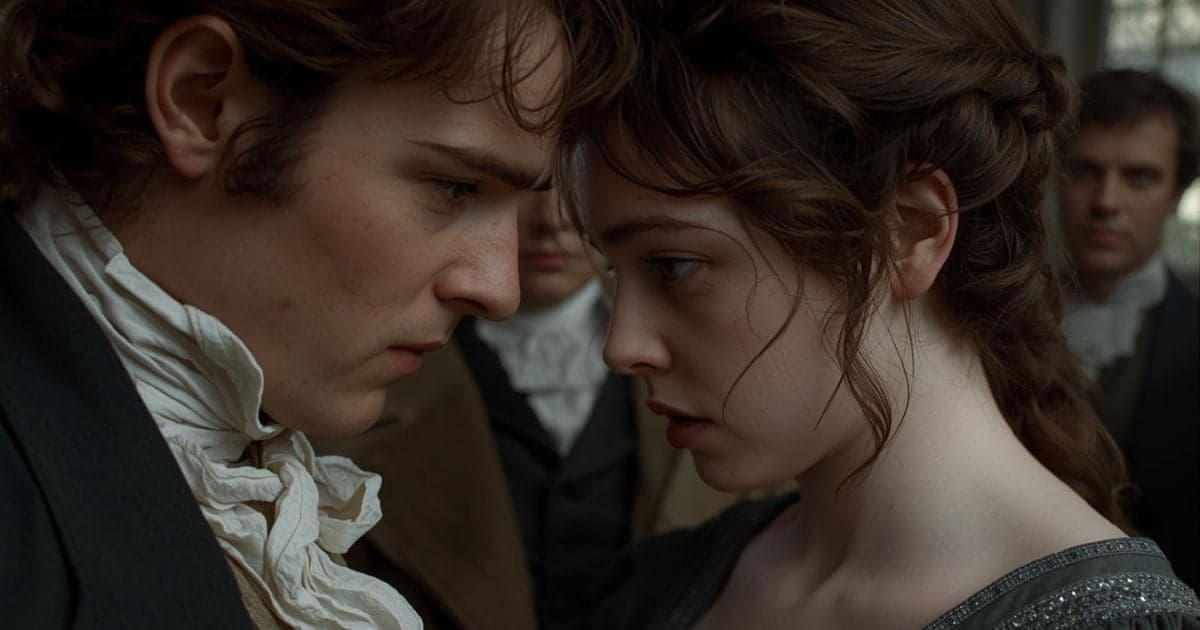
Both Dorothea and Will must speak in code about their feelings, maintaining careful formality while hearts break
Development
Escalated from previous emotional restraint - now requires active deception
In Your Life:
You might perform this when professional settings require you to hide genuine feelings for colleagues
Independence
In This Chapter
Dorothea insists on returning to Lowick alone despite family pressure, needing space to think and heal on her terms
Development
Evolved from earlier submission to authority - now actively claiming autonomy
In Your Life:
You assert this when family or friends pressure you to make choices that don't align with your healing process
Unfinished Business
In This Chapter
Dorothea seals away Casaubon's work, refusing to submit her soul to something she doesn't believe in
Development
Resolution of earlier conflict about scholarly duty versus personal integrity
In Your Life:
You face this when asked to continue projects or commitments that no longer serve your values or growth
You now have the context. Time to form your own thoughts.
Discussion Questions
This is not a test. Five prompts guide you through the chapter, from how it opens to how it closes, so you notice context and rhythm rather than facts to memorize. Sit with each question in your own words. When you see "One way to read it," treat it as a starting point, not the only answer.
- 1
Why does Dorothea insist on returning to Lowick Manor alone, despite opposition from Celia, Sir James, and Mrs. Cadwallader?
analysis • surfaceOne way to read it
Dorothea needs solitude to process her grief and reclaim her independence after months of playing the dutiful aunt. She also secretly hopes to encounter Will Ladislaw there.
- 2
What does Dorothea's sealed note about Casaubon's Synoptical Tabulation reveal about their marriage and her current state of mind?
analysis • mediumOne way to read it
The note shows she finally admits she couldn't submit her soul to his work she didn't believe in. It represents her breaking free from his intellectual dominance even after death.
- 3
How does Mrs. Cadwallader's matchmaking scheme with Lord Triton reflect modern attitudes about widows and remarriage?
application • mediumOne way to read it
Like today's well-meaning friends pushing dating apps on single people, Mrs. Cadwallader assumes Dorothea needs a man to be complete and happy, ignoring her desire for independence.
- 4
When have you seen someone maintain dignity in an emotionally charged situation like Dorothea and Will's farewell scene?
application • deepOne way to read it
Professional breakups or family conflicts often require this same careful balance of genuine feeling and social propriety, where saying too much could damage everyone involved.
- 5
Why do Will and Dorothea struggle to express their true feelings despite their obvious mutual attraction?
reflection • deepOne way to read it
Social barriers, financial inequality, and Casaubon's codicil create impossible conditions. They fear that honesty might force choices that would hurt them both or compromise their integrity.
Critical Thinking Exercise
Decode the Subtext
Reread the conversation between Dorothea and Will, but this time write down what you think each character is really trying to say underneath their polite words. Then think about a recent conversation in your own life where you had to speak carefully because of workplace hierarchy, family dynamics, or social expectations. What were you really trying to communicate?
Consider:
- •Notice how both characters encourage each other's dreams while avoiding direct emotional statements
- •Pay attention to how Sir James's arrival changes the entire dynamic instantly
- •Consider whether this kind of careful communication protects people or hurts them
Journaling Prompt
Write about a time when you had to hide your true feelings about someone because of money differences, workplace rules, or family expectations. What did you wish you could have said directly?
Coming Up Next...
Chapter 55: The Widow's Cap and Future Plans
Dorothea will mistake Will's parting for forever, weep over his miniature, and declare at Freshitt that she will never marry while she plans a colony of good work with Caleb Garth To Dorothea, Will's parting seems the close of their personal relations: he will be another man if he returns, and she explains his reserve by the cruel codicil. She dwells on their ended.