Chapter 55
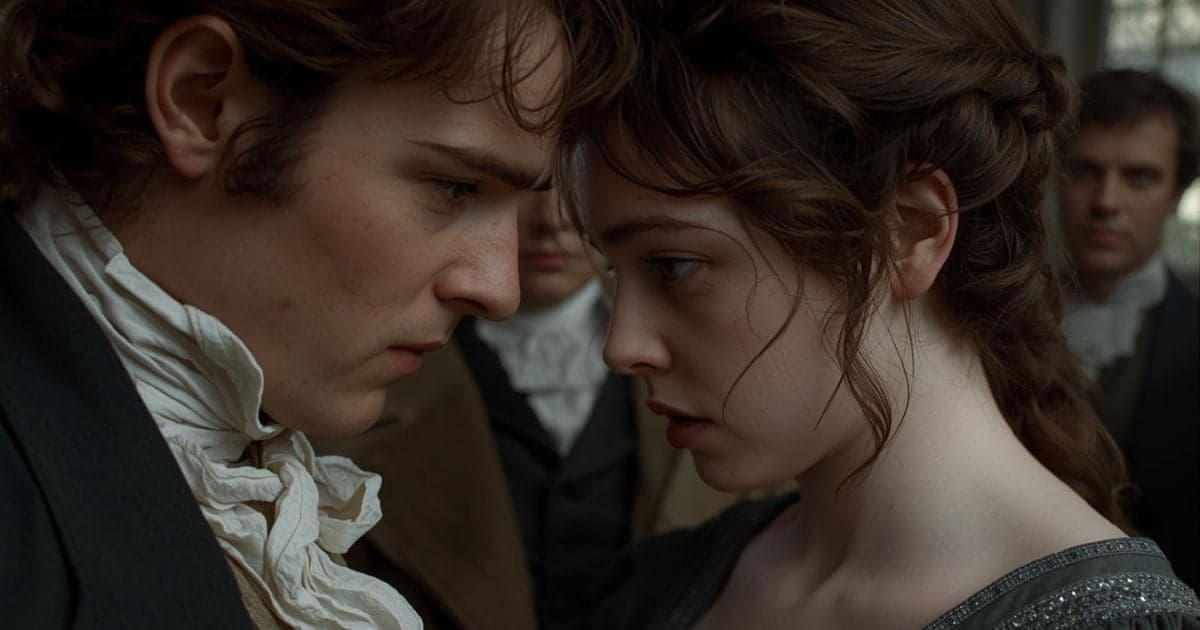
The Widow's Cap and Future Plans
CHAPTER LV. Hath she her faults? I would you had them too. They are the fruity must of soundest wine; Or say, they are regenerating fire Such as hath turned the dense black element Into a crystal pathway for the sun. If youth is the season of hope, it is often so only in the sense that our elders are hopeful about us; for no age is so apt as youth to think its emotions, partings, and resolves are the last of their kind. Each crisis seems final, simply because it is new. We are told that the oldest inhabitants…
Public-domain chapter text, formatted for reading.
Master this chapter. Complete your experience
Purchase the complete book to access all chapters and support classic literature
Available in paperback, hardcover, and e-book formats
Now let's explore the literary elements.
Key Quotes & Analysis
"Each crisis seems final, simply because it is new."
Context: Opening reflection before Dorothea's grief after Will's departure
Eliot widens Dorothea's pain into a pattern of youth. What feels last is often first in a series of shocks experience will repeat.
In Today's Words:
The narrator says young people think each break is the last because it is new to them. Intensity is not the same as permanence when you have fewer endings to compare. When a parting feels final, ask what older witnesses know about surviving the first of many shocks.
"it was Love who had come to her briefly, as in a dream before awaking, with the hues of morning on his wings"
Context: Dorothea weeps over the miniature without naming love yet
Eliot tells the reader what Dorothea only feels as loss. Grief is love recognized after the door has closed.
In Today's Words:
The narrator says love had visited Dorothea like a morning dream she was only beginning to understand. People often name grief before they permit themselves to name desire. If sorrow arrives after a parting, notice whether you are mourning a person or only the story you told yourself.
"I shall never marry again,"
Context: Private talk with Celia after the cap is removed
The vow is sincere yet simultaneous with hidden love. Public resolve channels energy into land plans while the heart still grieves Will.
In Today's Words:
Dorothea told Celia she would never marry again and meant it in that hour. A firm public vow can coexist with private grief the vow does not mention. When someone declares they are done with romance, listen for what work or plan they reach for instead.
"I should like to take a great deal of land, and drain it, and make a little colony, where everybody should work, and all the work should be done well."
Context: Dorothea describes her future to Celia instead of remarriage
The colony scheme is moral architecture: useful labor, known tenants, friendship without idle widowhood. It is also a container for ardor that cannot go to Will.
In Today's Words:
Dorothea said she wanted to drain land and build a small community where everyone worked well and she knew them. Grand plans can be real vocation and also a dam for feeling that has nowhere else to go. When someone launches a reform project right after loss, honor the purpose and notice what wound it might be holding back.
Thematic Threads
Emotional Recognition
In This Chapter
Dorothea doesn't yet recognize that her pain over Will's departure is actually love, mistaking grief for general disappointment
Development
Evolution from her earlier intellectual approach to marriage, now she's experiencing actual romantic feeling but can't name it
In Your Life:
You might find yourself upset about something but unable to identify why, especially when the real reason challenges your self-image
Social Control
In This Chapter
Everyone at dinner has opinions about Dorothea's future remarriage, treating her as a problem to be solved rather than a person with agency
Development
Continues the theme of how society manages women's choices, now focused on her widowhood rather than her first marriage
In Your Life:
You might notice how others feel entitled to opinions about your major life decisions, especially regarding relationships or career changes
Identity Defense
In This Chapter
Dorothea's elaborate plans for agricultural colonies serve as armor against having to examine her true feelings and desires
Development
Builds on her earlier pattern of using noble causes to avoid personal introspection, now more desperate
In Your Life:
You might throw yourself into work projects or future plans when you're avoiding processing a loss or disappointment
Symbolic Transformation
In This Chapter
Celia removing Dorothea's widow's cap represents shedding societal expectations and revealing her true self
Development
New symbolic moment showing potential for change, contrasting with her earlier rigid adherence to duty
In Your Life:
You might have moments when someone helps you see past the role you think you have to play
Hidden Motivations
In This Chapter
Sir James feels secretly relieved by Dorothea's declaration never to remarry, revealing his own unresolved feelings
Development
Continues exploring how people's stated positions often mask their true emotional investments
In Your Life:
You might find yourself having strong opinions about others' choices that actually reflect your own unexamined feelings
You now have the context. Time to form your own thoughts.
Discussion Questions
This is not a test. Five prompts guide you through the chapter, from how it opens to how it closes, so you notice context and rhythm rather than facts to memorize. Sit with each question in your own words. When you see "One way to read it," treat it as a starting point, not the only answer.
- 1
Why does Dorothea cling to Will's grandmother's miniature portrait after his departure, and what does this reveal about her emotional state?
analysis • surfaceOne way to read it
She seeks comfort by defending those who've been misunderstood, mirroring her own situation. The narrator reveals she doesn't yet recognize she's mourning love itself, only sensing something 'irrevocably amiss' in her life.
- 2
How does Celia's removal of Dorothea's widow's cap function as more than a simple gesture of comfort?
analysis • mediumOne way to read it
The cap removal becomes a literal unveiling that sparks Dorothea's most assertive speech in the chapter. It symbolizes shedding societal expectations, though she immediately creates new constraints through her resolute plans.
- 3
What modern situations parallel Dorothea's declaration that she'll create an agricultural colony rather than remarry?
application • mediumOne way to read it
Like someone throwing themselves into career ambitions after heartbreak, or choosing volunteer work abroad over dating. Both represent channeling emotional energy into grand schemes that avoid confronting present feelings.
- 4
If you were Celia, how would you respond to Dorothea's elaborate plans for land drainage and social reform?
application • deepOne way to read it
I might gently question whether these grand schemes are truly about helping others or avoiding personal vulnerability. Like Celia's concern about 'blood and beauty,' I'd worry she's using noble causes to escape emotional risk.
- 5
Why does Sir James feel secretly relieved by Dorothea's decision never to remarry, despite society's expectations?
reflection • deepOne way to read it
His relief reveals how devotion can become possessive, preferring the beloved remain untouchable rather than risk feeling replaced. He mistakes his discomfort with change for respect for her dignity.
Critical Thinking Exercise
Decode Your Own Avoidance Patterns
Think of a time when you made big plans or dramatic declarations during emotional stress. Write down what you were planning or declaring, then dig deeper: what emotion were you trying to avoid feeling? How did the planning help you sidestep the real issue? Finally, imagine how you might handle similar situations differently now.
Consider:
- •Notice if your plans felt urgent and detailed - that's often a sign of emotional avoidance
- •Consider whether you were solving the right problem or just staying busy
- •Think about how much energy went into planning versus actually processing feelings
Journaling Prompt
Write about a current situation where you might be using elaborate plans or firm declarations to avoid facing uncomfortable emotions. What would happen if you sat with the feeling first, then planned from that clarity?
Coming Up Next...
Chapter 56: Finding Work Worth Doing
Dorothea will put her confidence in Caleb Garth, ride the estates, and meet the railway age while Fred Vincy finds purpose defending surveyors in a hay-field Dorothea's trust in Caleb Garth grows as she rides the estates and gives him Lowick business; he praises her plain words about improving land and building cottages, while railways begin to divide parishes and excite fear in Frick..