Wide Reads
Literature MattersLife IndexEducators
Sign in
Where to Begin

The Birth of the World and the Golden Age — Metamorphoses

Metamorphoses - The Birth of the World and the Golden Age

Ovid

Metamorphoses

The Birth of the World and the Golden Age

Home›Books›Metamorphoses›Chapter 1: The Birth of the World and the Golden Age
1 of 15
Next

Analysis by the Wide Reads editorial team·Reviewed against the source text·Updated December 5, 2025

Summary

The Birth of the World and the Golden Age

Order from Chaos · Metamorphoses by Ovid

0:000:00
Listen to Next Chapter

Order from Chaos (1 of 4)

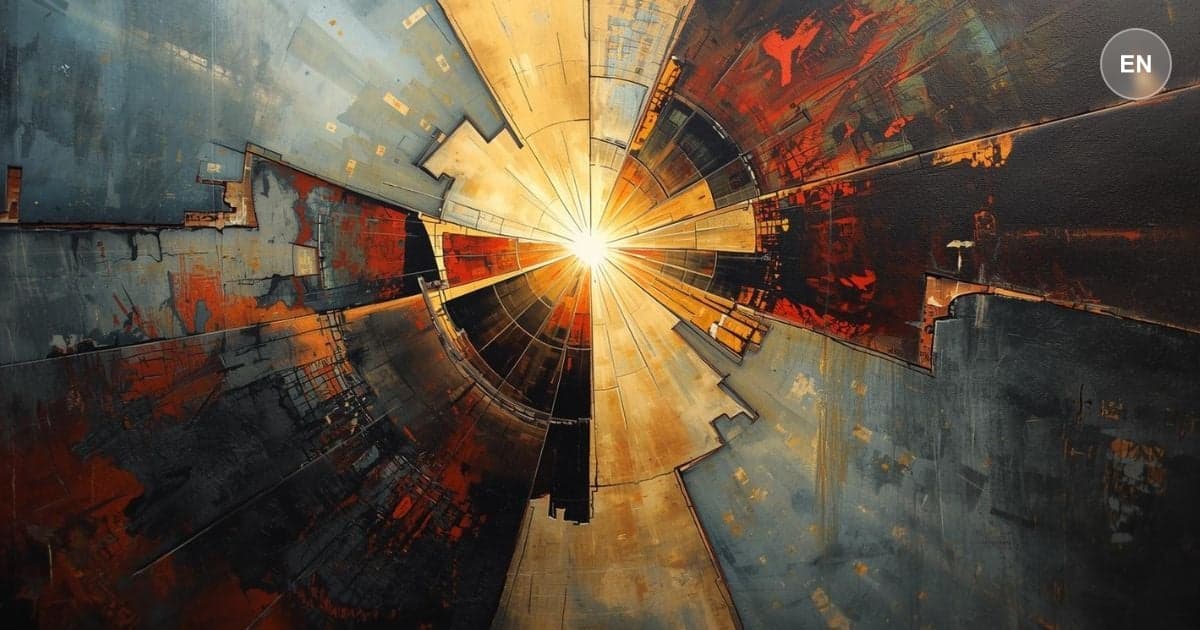
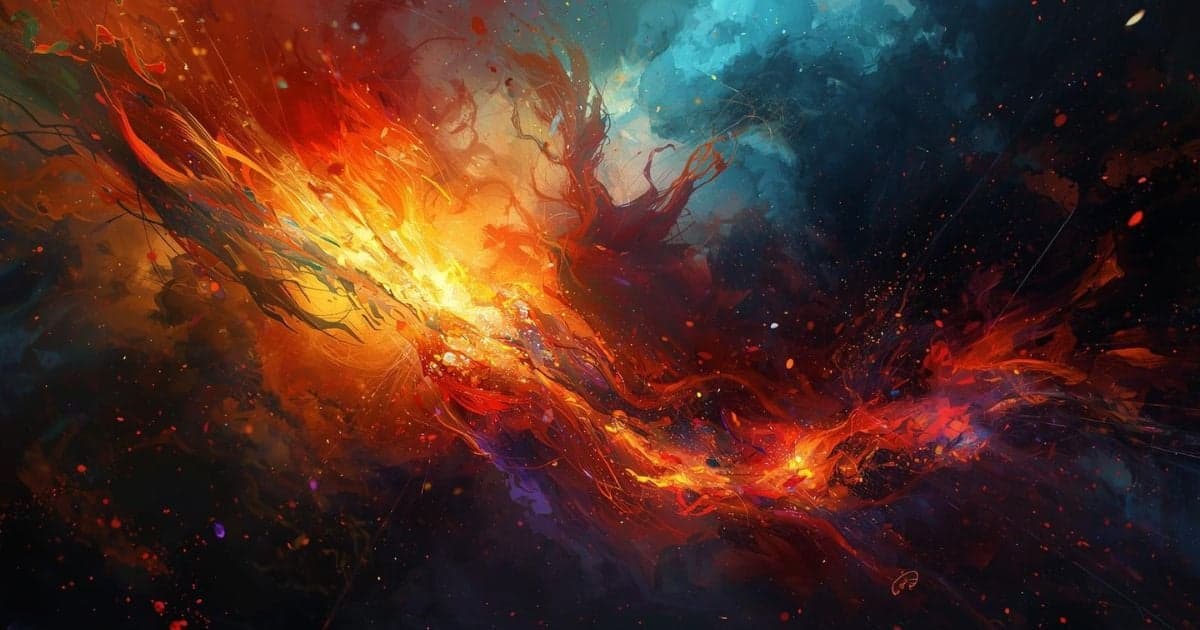
Ovid opens the Metamorphoses with a declaration, not a battle scene. He will tell of forms changed into new bodies, from the beginning of the world to his own Augustan age, and he asks the gods who performed those changes to favor the attempt. That framing matters. The poem is not a single hero's journey but a catalogue of instability: identity, landscape, and social order can all be remade under pressure. Before any nymph turns into a tree or a tyrant into a wolf, the reader meets Chaos, a rude and undigested mass where sea, earth, and heaven share one body and opposites fight inside the same substance. Cold strives with hot, moist with dry, soft with hard. Nothing has its present form. There is no sun to mark time, no moon cycling through phases, no coastlines where land and water keep their places.

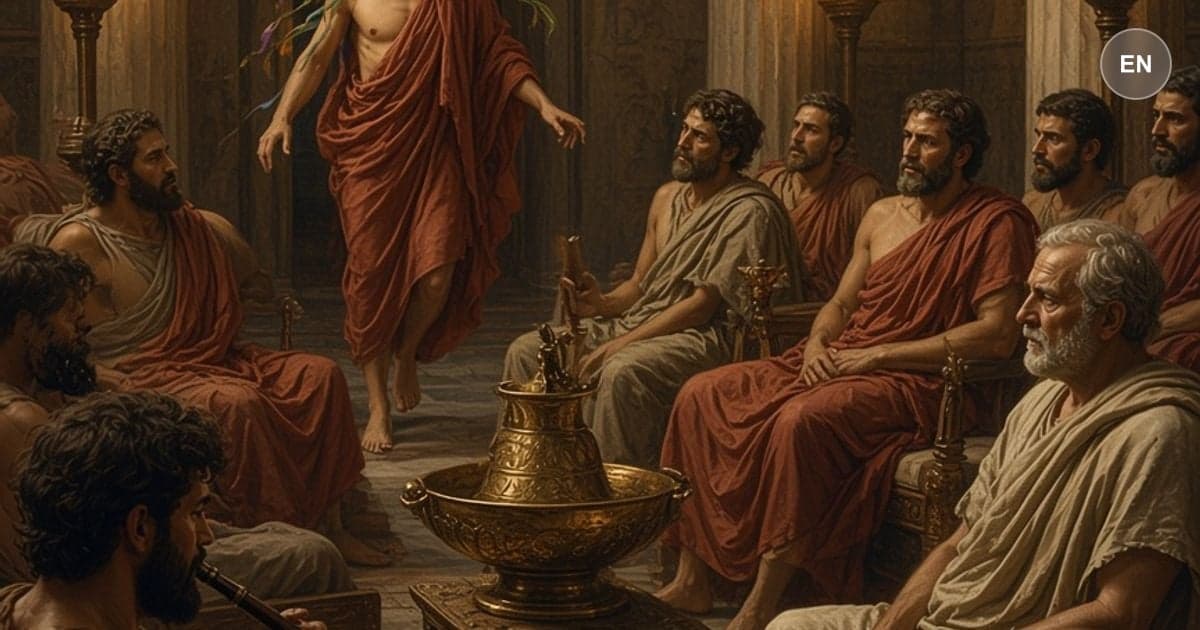
To this discord God and bounteous Nature put an end. The creative act is separation and placement, not magic from nothing. Fire without weight rises to the highest vault; air follows; earth draws heavier atoms and compacts by gravity; encircling waters sink to the lowermost place around the solid globe. Elements released from confused heap are combined in harmonious unison, each in its proper station. Ovid's cosmology teaches a transferable skill: order begins when someone sorts what has been piled together without distinction. The Dryden translation, thick with scholarly footnotes, still preserves the core image. Stable reality is an achieved balance. Beneath every workable system sits memory of prior disorder.

After matter is arranged, living things appear and Prometheus molds earth tempered with water into human shape. Humanity enters a cosmos already governed by proportion and boundary. That sequence links personal stories later in the book to a universal law. Transformation is not an odd miracle stuck onto ordinary life. It is the deep grammar of existence. For a reader in a crowded emergency department or any overloaded institution, the opening offers a first move before drama arrives: name the elements, assign categories, and stop treating every signal as equally urgent. Classification is moral architecture. Without it, loudness replaces need.

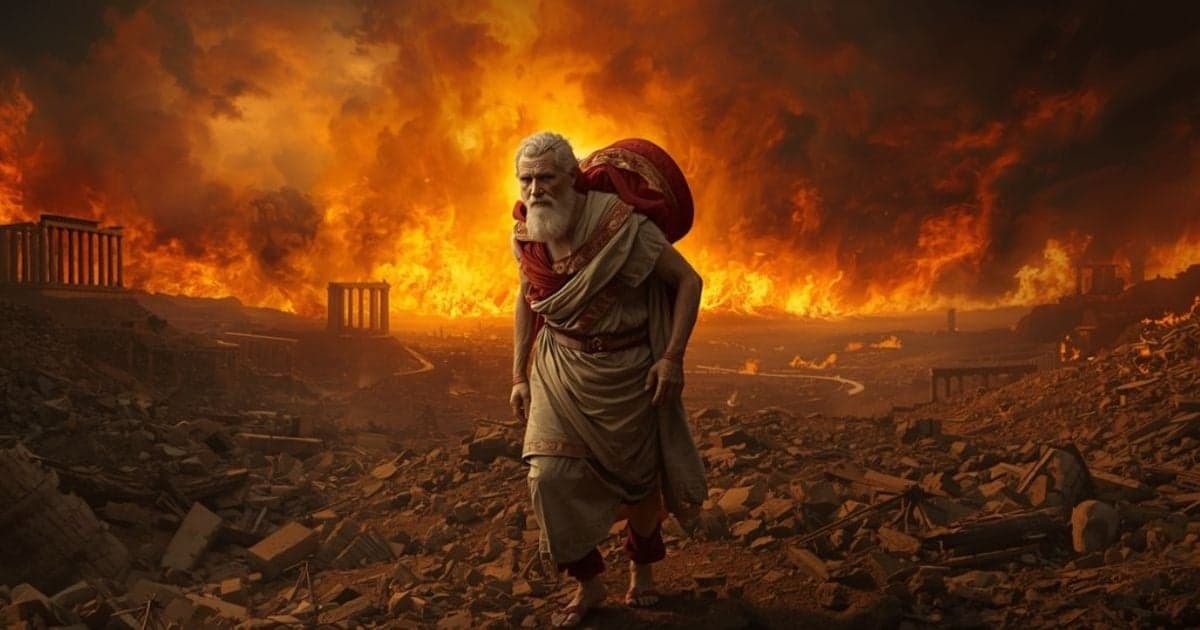
The poem's scale also trains perspective. Ovid could have begun with Apollo or Daphne. Instead he begins with the whole universe, teaching that private crises participate in a larger pattern of form and re-form. World order is presented as work performed by intelligence on resistant mixture. It is never guaranteed. Even after creation, the text will show social life degrading, bodies changing under pursuit, and civilizations washed away. Chapter 1 therefore installs a double awareness: structure can be built, and structure can fail. Readers who internalize both halves are less likely to panic when stability cracks and more likely to ask what must be separated next to keep the vulnerable alive.

Dryden's edition surrounds the poetry with explanatory notes comparing Chaos to Genesis and Hesiod, yet the narrative spine remains legible. Creation is architectural: a divine intelligence ranges pre-existent matter into situations suited to each element's qualities. That philosophical detail matters for Thomas, the ER nurse who anchors this book's modern adaptation. His shift does not invent patients from nothing. It sorts arrivals already mixed together, assigns lanes, and makes a livable shift possible through deliberate boundaries. Ovid's opening is the mythic version of the same competence.


In this chapter: Terms Characters Key Quotes Themes Modern Story

Why This Matters

Connect literature to life

Skill: Building Order Inside Real Chaos

When pressure collapses distinctions, people need a framework that separates urgent from important without dehumanizing either. Ovid's opening shows a world healed by sorting mixed elements into proportion before any later human story can unfold. On your next overloaded day, pause to name three categories of demand and act on one life-protecting priority first.

Coming Up in Chapter 2

Next, desire and ambition become combustible: Phaethon demands proof, seizes the sun chariot, and nearly burns the world, while side stories of Callisto, Ocyrhoe, and divine punishment show how quickly pride, surveillance, and misjudged power can remap a life.

Share it with friends

NextNext Chapter
Original text
20,122 wordscomplete

Chapter 01

The Birth of the World and the Golden Age

THE ARGUMENT. [I.1-4] My design leads me to speak of forms changed into new bodies.[1] Ye Gods, (for you it was who changed them,) favor my attempts,[2] and bring down the lengthened narrative from the very beginning of the world, {even} to my own times.[3] [Footnote 1: _Forms changed into new bodies._--Ver. 1. Some commentators cite these words as an instance of Hypallage as being used for ‘corpora mutata in novas formas,’ ‘bodies changed into new forms;’ and they fancy that there is a certain beauty in the circumstance that the proposition of a subject which treats of the changes…

Public-domain chapter text, formatted for reading.

Master this chapter. Complete your experience

Purchase the complete book to access all chapters and support classic literature

Buy at Powell'sBuy on Amazon

Available in paperback, hardcover, and e-book formats

Now let's explore the literary elements.

Key Quotes & Analysis

"At first, the sea, the earth, and the heaven, which covers all things, were the only face of nature throughout the whole universe, which men have named Chaos; a rude and undigested mass,[4] and nothing {more} than an inert weight, and the discordant atoms of things not harmonizing, heaped together in the same spot."

— Narrator

Context: The poem starts with a universe still undivided, where all elements are mixed into one unstable mass.

Ovid grounds transformation in cosmology: stable order is created, not given, and can be undone.

In Today's Words:

Thomas hears this as the ER before triage, everyone arriving at once, pain, panic, bloodwork, and fear in one crowded room. His first duty is separating what is urgent from what can wait so life can keep moving with dignity. Thomas sees the same pattern in the ER when bodies and identities shift under pressure

"No Sun[5] as yet gave light to the world; nor did the Moon,[6] by increasing, recover her horns anew."

— Narrator

Context: Before creation is organized, even light has no governing rhythm or dependable cycle.

The image captures disorientation: without structure, people cannot orient time, risk, or responsibility.

In Today's Words:

Thomas knows this darkness from overnight surges when monitors keep sounding and no one can see the whole picture. He learns to create temporary light with clear updates, role assignment, and one calm sentence that restores orientation. Thomas sees the same pattern in the ER when bodies and identities shift under pressure nobody chose.

"To this discord God and bounteous Nature[8] put an end; for he separated the earth from the heavens, and the waters from the earth, and distinguished the clear heavens from the gross atmosphere."

— Narrator

Context: Discord ends when separating and arranging principles are applied to conflicting elements.

Order here is active governance. Harmony requires boundary-setting, not passive hope.

In Today's Words:

On Thomas's trauma shift, conflict drops only when someone names priorities and sets boundaries around tasks. The quote reminds him that harmony is built through decisions, not wishes, especially when every alarm suggests a different emergency. Thomas sees the same pattern in the ER when bodies and identities shift under pressure nobody chose.

"In the present instance it may be considered to mean the invisible agency of the Deity in reducing Chaos into a form of order and consistency."

— Commentator

Context: A later note explains the opening as an account of invisible agency turning confusion into coherence.

Even the chapter's scholarly apparatus repeats its thesis: intelligible form emerges through interpretive labor.

In Today's Words:

Late in a packed urban hospital night, Thomas calls this invisible agency teamwork, protocols, and trust between strangers. Nobody controls everything, but shared method can still turn institutional chaos into consistent care for frightened families. Thomas sees the same pattern in the ER when bodies and identities shift under pressure nobody chose.

Thematic Threads

Order vs Chaos

In This Chapter

Divine force creates cosmos by separating conflicting elements into harmonious boundaries

Development

Introduced here

In Your Life:

You might see this when trying to balance work stress, family needs, and personal goals without clear boundaries.

Social Decline

In This Chapter

Humanity degrades from Golden Age innocence through Bronze Age warfare to Iron Age greed and betrayal

Development

Introduced here

In Your Life:

You might notice this pattern in workplace cultures that start collaborative but become competitive and toxic over time.

Impossible Choices

In This Chapter

Daphne must choose between sexual violation and losing her human form entirely

Development

Introduced here

In Your Life:

You might face this when choosing between a toxic job that pays bills and unemployment that preserves dignity.

Renewal Through Destruction

In This Chapter

Jupiter's flood destroys corrupt humanity but allows righteous survivors to rebuild civilization

Development

Introduced here

In Your Life:

You might experience this when ending a destructive relationship clears space for healthier connections to grow.

Power and Pursuit

In This Chapter

Apollo's divine power enables him to relentlessly pursue Daphne despite her clear rejection

Development

Introduced here

In Your Life:

You might encounter this when someone with authority at work or in relationships refuses to accept your boundaries.

You now have the context. Time to form your own thoughts.

Discussion Questions

This is not a test. Five prompts guide you through the chapter, from how it opens to how it closes, so you notice context and rhythm rather than facts to memorize. Sit with each question in your own words. When you see "One way to read it," treat it as a starting point, not the only answer.

  1. 1

    Opening movement: Why does Ovid begin with undivided Chaos instead of starting with a hero or city?

    ▶One way to read it

    He establishes transformation as a universal law before personal stories begin. The opening teaches that identity, order, and conflict all emerge from unstable mixtures that require active shaping.

    analysis • surface
  2. 2

    Early chapter: What does the separation of elements suggest about leadership under overload?

    ▶One way to read it

    Effective leadership starts with classification and proportion. When everything feels urgent, separating categories allows limited resources to protect life instead of rewarding whichever crisis appears loudest first.

    application • medium
  3. 3

    Middle arc: How does the decline from ideal ages to harsher eras sharpen the chapter's moral argument?

    ▶One way to read it

    It shows that social deterioration is gradual and habit-based. Communities drift toward violence when restraint weakens, proving that order requires continual ethical maintenance rather than one founding event.

    analysis • medium
  4. 4

    Closing arc: Why are transformation stories like Daphne or Deucalion ethically complicated rather than simple victories?

    ▶One way to read it

    Metamorphosis can preserve life while costing identity or prior relationships. Ovid refuses easy rescue narratives, forcing readers to evaluate who gains safety, who loses form, and who controls the meaning.

    analysis • deep
  5. 5

    Whole chapter: Where in your life do you need better triage between chaos and responsibility right now?

    ▶One way to read it

    Strong answers name one overloaded arena, one category distinction currently blurred, and one concrete boundary that protects vulnerable people while keeping long-term commitments intact.

    reflection • deep

Critical Thinking Exercise

10 minutes

Map Your Personal Chaos

Draw or list the different areas of your life (work, family, health, finances, relationships). Identify where these areas are bleeding into each other in unhelpful ways. Then design one specific boundary you could create this week to separate what should be separate.

Consider:

  • •Notice where other people's emergencies become your urgent tasks
  • •Look for places where emotional energy meant for one area gets drained by another
  • •Consider how mixing too many goals at once might be creating paralysis instead of progress

Journaling Prompt

Write about a time when you had to make an impossible choice like Daphne. What did you sacrifice, and what did you gain? How did that experience change how you think about difficult decisions?

Coming Up Next...

Chapter 2: Fire, Transformation, and Divine Justice

Next, desire and ambition become combustible: Phaethon demands proof, seizes the sun chariot, and nearly burns the world, while side stories of Callisto, Ocyrhoe, and divine punishment show how quickly pride, surveillance, and misjudged power can remap a life.

Continue to Chapter 2
Contents
Next
Fire, Transformation, and Divine Justice
Keep exploring

Continue Exploring

Study guides, teaching tools, themes, and the full library.More ways to read Metamorphoses: study guides, teaching tools, and the wider library.

  • Metamorphoses Study Guide
  • Teaching Resources
  • Essential Life Index
  • Browse by Theme
  • All Books

What this chapter teaches

Theme analyses that draw on this chapter and apply it to modern life.

  • Recognizing Patterns In Human StoriesFour ages, forbidden love, war
  • Understanding Change As The Only ConstantOvid opens with Chaos giving way to order and closes with Pythagoras on flux: four books on transformation as the law of existence.
  • When Desire Rewrites IdentityDaphne, Pyramus and Thisbe, Orpheus, and Circe: four books on love and lust reshaping bodies, selves, and fate.

You Might Also Like

The Aeneid cover

The Aeneid

Virgil

Explores identity & self

The Iliad cover

The Iliad

Homer

Explores identity & self

The Book of Job cover

The Book of Job

Anonymous

Explores identity & self

Ecclesiastes cover

Ecclesiastes

Qoheleth

Explores identity & self

Browse all 106+ books

Share This Chapter

Know someone who'd enjoy this? Spread the wisdom!

TwitterFacebookLinkedInEmail

Go further with Prestige

Unlock study guides and downloads, early access, and exclusive content — and support free access for everyone.

Subscribe to PrestigeCreate free account
Intelligence Amplifier
Intelligence Amplifier™Powering Wide Reads

Exploring human-AI collaboration through books, essays, and philosophical dialogues. Classic literature transformed into navigational maps for modern life.

2025 Books

→ The Amplified Human Spirit→ The Alarming Rise of Stupidity Amplified→ San Francisco: The AI Capital of the World
Visit intelligenceamplifier.org
hello@widereads.com

WideReads Originals

→ You Are Not Lost→ The Last Chapter First→ The Lit of Love→ Wealth and Poverty→ Wisdom for the Wounded
Arvintech
arvintechAmplify your Mind
Visit at arvintech.com

Navigate

  • Home
  • Library
  • Essential Life Index
  • How It Works
  • Subscribe
  • Account
  • About
  • Contact
  • Authors
  • Suggest a Book
  • Landings

Made For You

  • Trending
  • Students
  • Educators
  • Families
  • Readers
  • Literary Analysis
  • Finding Purpose
  • Letting Go
  • Recovering from a Breakup
  • Corruption
  • Gaslighting in the Classics

Newsletter

Weekly insights from the classics. Amplify Your Mind.

Legal

  • Privacy Policy
  • Terms of Service
  • Editorial Standards
  • Cookie Policy
  • Accessibility

Why Public Domain?

We focus on public domain classics because these timeless works belong to everyone. No paywalls, no restrictions—just wisdom that has stood the test of centuries, freely accessible to all readers.

Public domain books have shaped humanity's understanding of love, justice, ambition, and the human condition. By amplifying these works, we help preserve and share literature that truly belongs to the world.

A Pilgrimage

Powell's City of Books

Portland, Oregon

If you ever find yourself in Portland, walk to the corner of Burnside and 10th. The building takes up an entire city block. Inside is over a million books, new and used on the same shelf, organized by color-coded rooms with names like the Rose Room and the Pearl Room. You can lose an afternoon. You can lose a weekend. You will find a book you have been looking for your whole life, and three you did not know existed.

It is a pilgrimage. We cannot find a bookstore like it anywhere on earth. If you read the classics, and you ever get the chance, go. It belongs on every reader's bucket list.

Visit powells.com

We are not in any way affiliated with Powell's. We are just a very big fan.

© 2026 Wide Reads™. All Rights Reserved.

Intelligence Amplifier™ and Wide Reads™ are proprietary trademarks of Arvin Lioanag.

Copyright Protection: All original content, analyses, discussion questions, pedagogical frameworks, and methodology are protected by U.S. and international copyright law. Unauthorized reproduction, distribution, web scraping, or use for AI training is strictly prohibited. See our Copyright Notice for details.

Disclaimer: The information provided on this website is for general informational and educational purposes only and does not constitute professional, legal, financial, or technical advice. While we strive to ensure accuracy and relevance, we make no warranties regarding completeness, reliability, or suitability. Any reliance on such information is at your own risk. We are not liable for any losses or damages arising from use of this site. By using this site, you agree to these terms.