Chapter 08
The Power of Strategic Withdrawal
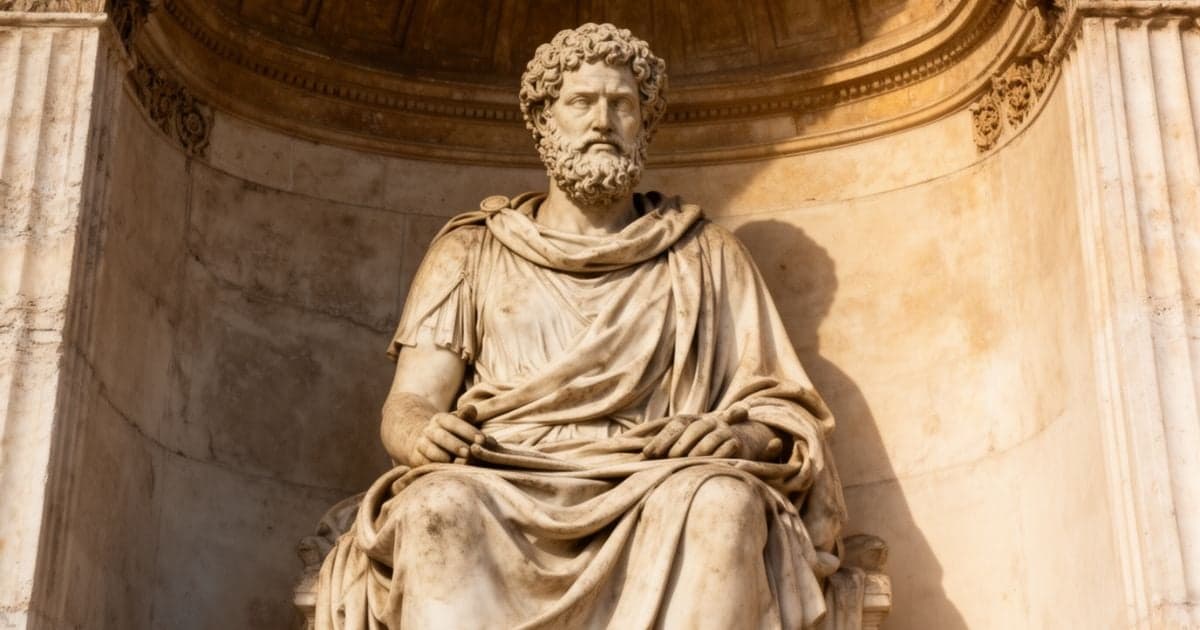
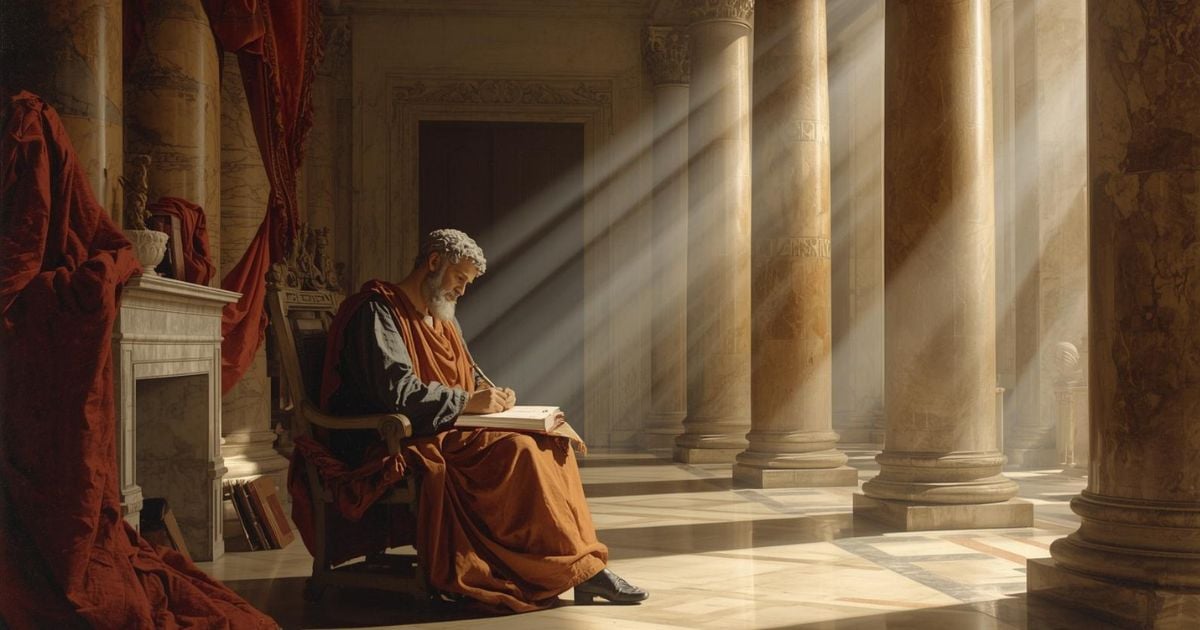
1.“Do you bid me,” you say, “shun the throng, and withdraw from men, and be content with my own conscience? Where are the counsels of your school, which order a man to die in the midst of active work?” As to the course[1] which I seem to you to be urging on you now and then, my object in shutting myself up and locking the door is to be able to help a greater number. I never spend a day in idleness; I appropriate even a part of the night for study. I do not allow time for sleep…
Public-domain chapter text, formatted for reading.
Master this chapter. Complete your experience
Purchase the complete book to access all chapters and support classic literature
Available in paperback, hardcover, and e-book formats
Now let's explore the literary elements.
Key Quotes & Analysis
"I never spend a day in idleness; I appropriate even a part of the night for study."
Context: Defending withdrawal as intense labor
Productivity redefined beyond public visibility.
In Today's Words:
Seneca says he never spends a day in idleness and even takes part of the night for study. Withdrawal is not laziness when it fuels serious work. If you step back from noise, show the calendar blocks that prove you are building something real. Apply that test to one real decision you face in the
"Avoid whatever pleases the throng: avoid the gifts of Chance! Halt before every good which Chance brings to you, in a spirit of doubt and fear; for it is the dumb animals and fish that are deceived by tempting hopes."
Context: Counsels written for future readers
Popular approval and Fortune's prizes are traps.
In Today's Words:
Seneca warns readers to avoid what pleases the throng and the gifts of Chance. Crowd applause and sudden luck train dependence on what you cannot control. Before you chase a promotion or windfall, ask what it would cost you to keep it. Apply that test to one real decision you face in the next few
"If you would enjoy real freedom, you must be the slave of Philosophy."
Context: Closing paradox on true liberty
Submission to wisdom frees you from fortune and opinion.
In Today's Words:
Epicurus, quoted by Seneca, says you must be the slave of Philosophy to enjoy real freedom. Commitment to principle frees you from mood and circumstance. Pick one rule you will follow this week even when it is inconvenient and watch how much anxiety drops. Apply that test to one real decision you face in the
"What Chance has made yours is not really yours."
Context: Seneca praises Lucilius's own formulation
Fortune can withdraw what it gave.
In Today's Words:
Seneca quotes Lucilius: what Chance has made yours is not really yours. Anything fortune can give, fortune can take. Separate what you need to sleep at night from what merely flatters your status on paper. Apply that test to one real decision you face in the next few days.
Thematic Threads
Social Expectations
In This Chapter
Seneca faces criticism for withdrawing from public duties, revealing how society pressures individuals to conform to visible productivity
Development
Building on earlier themes about external validation, now showing the cost of defying social expectations
In Your Life:
You might feel this when choosing personal development over social obligations and facing judgment for it
Class
In This Chapter
The tension between aristocratic leisure and duty to society reflects class-based assumptions about how different people should spend their time
Development
Evolving from individual class anxiety to broader questions about social responsibility across class lines
In Your Life:
You might experience this when your choices don't match what people expect from someone in your position
Identity
In This Chapter
Seneca redefines what it means to be useful to society, shifting from public performance to private contribution
Development
Deepening the theme of self-definition versus external definition that runs throughout the letters
In Your Life:
You might struggle with this when your sense of purpose conflicts with how others see your role
Personal Growth
In This Chapter
The letter advocates for choosing long-term development over short-term social approval
Development
Expanding on earlier growth themes to include the social costs of self-improvement
In Your Life:
You might face this when prioritizing learning or skill-building over immediate social or financial gains
Human Relationships
In This Chapter
Seneca's withdrawal affects his relationships but he argues it ultimately serves others better through his writing
Development
Complicating earlier relationship themes by showing how helping others sometimes requires disappointing them
In Your Life:
You might experience this when setting boundaries that hurt people's feelings but serve everyone's long-term interests
You now have the context. Time to form your own thoughts.
Discussion Questions
This is not a test. Five prompts guide you through the chapter, from how it opens to how it closes, so you notice context and rhythm rather than facts to memorize. Sit with each question in your own words. When you see "One way to read it," treat it as a starting point, not the only answer.
- 1
Lucilius asks whether Seneca is urging him to shun the throng and withdraw, contrary to Stoic counsel to die in the midst of active work. How does Seneca answer that apparent contradiction?
analysis • surfaceOne way to read it
His seclusion is not idleness. He withdraws to write remedies for later generations and, he argues, does more good in study than in courtrooms or senate business.
- 2
Seneca compares wholesome counsels to prescriptions and says he writes what helped minister to his own sores. Why does sharing late-found wisdom require admitting you wandered first?
analysis • mediumOne way to read it
The path he points others toward is one he found late after weariness. Honesty about his own wounds gives the prescription credibility and keeps advice from sounding abstract.
- 3
Seneca calls Fortune's gifts snares and limed twigs, saying we think we hold them but they hold us. What modern 'gifts of Chance' trap people the same way?
application • mediumOne way to read it
Sudden promotions, viral attention, windfall money, or status that arrives unearned can bind you to upkeep, fear of loss, and compromise. What looked like grasping Fortune often means being grasped.
- 4
Seneca repeats a rule to indulge the body only as far as health requires and says a thatch shelters as well as a roof of gold. How does that test differ from both luxury and performative austerity?
application • deepOne way to read it
Use food, drink, dress, and shelter for need, not display. Despise ornament made by useless toil. The soul alone is worthy of wonder; material extremes either enslave or posture.
- 5
Seneca quotes Epicurus that real freedom requires being philosophy's slave, then asks why such words belong only to Epicurus. What does treating truth as common property add to strategic withdrawal?
reflection • deepOne way to read it
Withdrawal is for clearer service, not tribal loyalty. Good ideas remain good no matter who said them. Philosophy frees you the moment you submit to it, wherever you find it.
Critical Thinking Exercise
Map Your Strategic Withdrawal
Think of an area where you feel pressure to stay constantly busy or visible. Map out what stepping back might look like: What would you stop doing? What would you focus on instead? What criticism might you face, and from whom? Finally, imagine the long-term results of both staying busy versus stepping back strategically.
Consider:
- •Consider who benefits from keeping you busy in the current situation
- •Think about the difference between temporary discomfort and long-term regret
- •Remember that explaining your strategy to critics often backfires - results speak louder
Journaling Prompt
Write about a time when you stepped back from something everyone expected you to do. What did you gain from that withdrawal? If you've never done this, describe what you might step back from now and why it scares you.
Coming Up Next...
Chapter 9: The Art of True Friendship
Next, Seneca asks whether the wise man truly needs friends or can stand alone. His answer pairs Stilbo's courage after total loss with a warning against fair weather friendships If a wise man is truly self-sufficient, why does he need friends at all? Letter 9 is Seneca's careful answer to that question..