Wide Reads
Literature MattersLife IndexEducators
Sign in
Where to Begin

Volume I, Book 2: The Fall - Jean Valjean's Arrival — Les Misérables: Essential Edition

Les Misérables: Essential Edition - Volume I, Book 2: The Fall - Jean Valjean's Arrival

Victor Hugo

Les Misérables: Essential Edition

Volume I, Book 2: The Fall - Jean Valjean's Arrival

Home›Books›Les Misérables: Essential Edition›Chapter 2: Volume I, Book 2: The Fall - Jean Valjean's Arrival
Previous
2 of 48
Next

Analysis by the Wide Reads editorial team·Reviewed against the source text·Updated January 28, 2025

Summary

Volume I, Book 2: The Fall - Jean Valjean's Arrival

Les Misérables: Essential Edition by Victor Hugo

0:000:00
Listen to Next Chapter

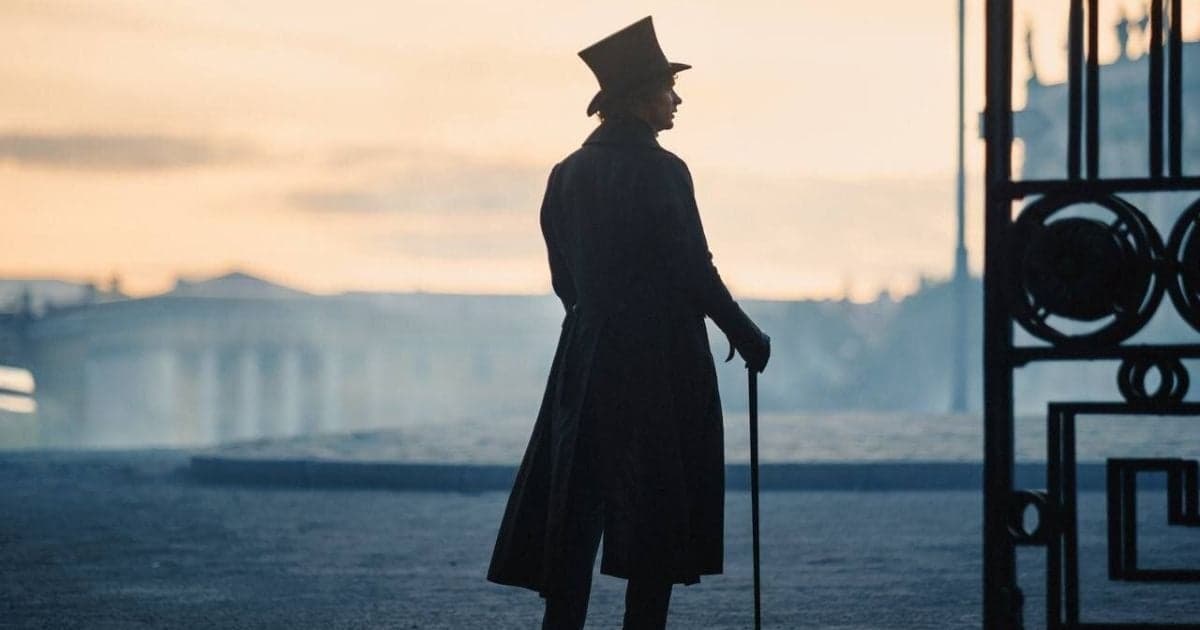
In October 1815, an hour before sunset, a foot traveler enters the town of Digne and immediately unsettles the people at their windows and thresholds. Hugo describes him as perhaps the most wretched wayfarer imaginable: roughly forty-six, sunburned, sweating, badly clothed, iron-shod, shaved head, long beard, carrying a new soldier's knapsack and an enormous stick. No one knows him; he looks like a chance passer-by who has walked all day and may have come from the south. He drinks twice at public fountains, enters the town hall, and emerges a quarter hour later. When he salutes a gendarme on the stone bench, the officer does not return the greeting. Instead the gendarme watches him closely, follows him with his eyes, and goes inside the town hall. The chapter ends on surveillance, not welcome. Hugo shows Jean Valjean entering civic life already marked by appearance, fatigue, and official suspicion. The town reads poverty and strangeness as threat before any crime occurs, establishing the exclusion Valjean has carried since prison and the atmosphere of fear that will make mercy, when it comes, feel revolutionary. The chapter never names Jean Valjean yet, but every detail of rags, thirst, and police attention announces a man the town has already tried and sentenced with its eyes.

In this chapter: Terms Characters Key Quotes Themes Modern Story

Why This Matters

Connect literature to life

Skill: Recognizing Systemic Exclusion

People are often judged dangerous before they speak. Valjean enters the town exhausted and unnamed while neighbors stare and a gendarme watches him into the town hall. Notice when appearance, paperwork, or rumor closes opportunity before anyone tests your character.

Coming Up in Chapter 3

Chapter 3 opens on The Transformation: Jean Valjean entered the town. The next step in Hugo's map turns on that concrete beat, not on theme alone. Watch how the excerpt's opening image sets the chapter's real stake..
Share it with friends

PreviousPrevious ChapterNextNext Chapter
Chapter overview
500 wordsexcerpt

Chapter 02

Volume I, Book 2: The Fall - Jean Valjean's Arrival

In the early part of October, 1815, about an hour before sunset, a man who was traveling on foot entered the little town of D——. The few individuals who at this moment were at their windows or on their thresholds, regarded this traveler with a sort of unrest. It would have been difficult to encounter a wayfarer of more wretched appearance. He was a man of medium stature, thick-set and robust, in the prime of life. He might have been forty-six or forty-eight years old. A cap with a drooping visor concealed partly his face, burned and tanned by sun…

Master this chapter. Complete your experience

Purchase the complete book to access all chapters and support classic literature

Buy at Powell'sBuy on Amazon

Available in paperback, hardcover, and e-book formats

Now let's explore the literary elements.

Key Quotes & Analysis

"In the early part of October, 1815, about an hour before sunset, a man who was traveling on foot entered the little town of D——."

— Narrator

Context: Valjean's entrance into the town that will change his life

The plain date and hour make his arrival feel ordinary, which sharpens how quickly ordinary becomes suspect.

In Today's Words:

A tired man walks into town at dusk with nothing impressive about the moment except what others project onto him. Many people meet the justice system this way, ordinary on the surface and already marked underneath. The hour and the clothes do the accusing before any word is spoken.

"It would have been difficult to encounter a wayfarer of more wretched appearance."

— Narrator

Context: The town's first reading of Valjean

Hugo makes poverty visible as a social signal before any dialogue establishes character.

In Today's Words:

He looked so worn down that disgust came before curiosity. When someone arrives looking broke, homeless, or unstable, others often treat the appearance as proof of threat. Poverty gets read as character long before anyone asks what happened on the road to town that day.

"No one knew him. He was evidently only a chance passer-by."

— Narrator

Context: Valjean's anonymity in D——

Lack of local ties removes the small protections community recognition can provide.

In Today's Words:

With no one to vouch for him, he was easy to classify as nobody's problem and everybody's suspicion. Strangers without networks get policed faster than neighbors do. Lack of local ties removes the small protections recognition can provide in a tight community in a tight-knit town.

"The gendarme, without replying to his salute, stared attentively at him, followed him with his eyes for some moments, then entered the town-hall."

— Narrator

Context: Official response to Valjean's respectful greeting

The state answers courtesy with surveillance, showing how institutions track the marked before they act.

In Today's Words:

He greeted an officer politely and got silence, staring, and a report instead. That is how background checks and monitoring can greet people who are trying to do everything right. Courtesy does not clear a record the system has already decided to read first before kindness is offered.

Thematic Threads

Systemic Injustice

In This Chapter

Jean Valjean is rejected everywhere despite serving his sentence

Development

The justice system creates cycles of exclusion

In Your Life:

Consider how systems in your life—employment, housing, education—might be designed to exclude rather than include

Rejection and Isolation

In This Chapter

Every door closes, every hand draws back

Development

Complete social isolation forces desperate choices

In Your Life:

Think about times when you or someone you know was written off or excluded

You now have the context. Time to form your own thoughts.

Discussion Questions

This is not a test. Five prompts guide you through the chapter, from how it opens to how it closes, so you notice context and rhythm rather than facts to memorize. Sit with each question in your own words. When you see "One way to read it," treat it as a starting point, not the only answer.

  1. 1

    What details in Valjean's appearance make the town uneasy before he speaks?

    ▶One way to read it

    Hugo lists rags, sweat, shaved head, beard, stick, and exhaustion as signs the crowd reads as menace.

    analysis • surface
  2. 2

    Why does Hugo note that Valjean drinks at two fountains on his way through town?

    ▶One way to read it

    The repeated thirst shows bodily need and a long walk, humanizing a man others treat as alien.

    analysis • medium
  3. 3

    How does the gendarme's silence change Valjean's attempt at ordinary courtesy?

    ▶One way to read it

    A respectful salute meets surveillance, showing that official power has already classified him.

    analysis • deep
  4. 4

    Where do modern systems greet people with paperwork or monitoring before trust?

    ▶One way to read it

    Background checks, rental screens, and workplace badges often decide access before character is tested.

    application • medium
  5. 5

    What would change in this scene if one neighbor had recognized Valjean as human first?

    ▶One way to read it

    Recognition might have opened shelter instead of fear, which is the small social gap mercy later fills.

    reflection • deep

Critical Thinking Exercise

15 minutes

The Exclusion Analysis

Jean Valjean is rejected everywhere despite serving his sentence. Think about how systems in modern society create similar cycles of exclusion.

Consider:

  • •How do background checks and criminal records affect people's ability to rebuild their lives?
  • •What happens when systems are designed to exclude rather than include?
  • •How can we create systems that support rehabilitation rather than permanent exclusion?
  • •What role does individual compassion play when systems fail?

Journaling Prompt

Write about a time when you or someone you know was excluded by a system. How did it feel? How did it create barriers? How could compassion have changed the situation?

Coming Up Next...

Chapter 3: Volume I, Book 2: The Silver Candlesticks - The Transformation

Chapter 3 opens on The Transformation: Jean Valjean entered the town. The next step in Hugo's map turns on that concrete beat, not on theme alone. Watch how the excerpt's opening image sets the chapter's real stake..
Continue to Chapter 3
Previous
Volume I, Book 1: A Just Man
Contents
Next
Volume I, Book 2: The Silver Candlesticks - The Transformation
Keep exploring

Continue Exploring

Study guides, teaching tools, themes, and the full library.More ways to read Les Misérables: Essential Edition: study guides, teaching tools, and the wider library.

  • Les Misérables: Essential Edition Study Guide
  • Teaching Resources
  • Essential Life Index
  • Browse by Theme
  • All Books

What this chapter teaches

Theme analyses that draw on this chapter and apply it to modern life.

  • Building a Life After Being Written OffJean Valjean
  • Navigating Poverty and Social ClassHow Fantine, Valjean, and Paris show poverty
  • Understanding Systemic InjusticeHow Les Misérables exposes systems that punish poverty and block second chances after prison.
Moral Dilemmas & EthicsSocial Class & Status

You Might Also Like

A Tale of Two Cities cover

A Tale of Two Cities

Charles Dickens

Explores justice & fairness

The Count of Monte Cristo cover

The Count of Monte Cristo

Alexandre Dumas

Explores justice & fairness

Noli Me Tángere cover

Noli Me Tángere

José Rizal

Explores justice & fairness

The Jungle cover

The Jungle

Upton Sinclair

Explores justice & fairness

Browse all 107+ books

Share This Chapter

Know someone who'd enjoy this? Spread the wisdom!

TwitterFacebookLinkedInEmail

Go further with Prestige

Unlock study guides and downloads, early access, and exclusive content — and support free access for everyone.

Subscribe to PrestigeCreate free account
Intelligence Amplifier
Intelligence Amplifier™Powering Wide Reads

Exploring human-AI collaboration through books, essays, and philosophical dialogues. Classic literature transformed into navigational maps for modern life.

2025 Books

→ The Amplified Human Spirit→ The Alarming Rise of Stupidity Amplified→ San Francisco: The AI Capital of the World
Visit intelligenceamplifier.org
hello@widereads.com

WideReads Originals

→ You Are Not Lost→ The Last Chapter First→ The Lit of Love→ Wealth and Poverty→ Wisdom for the Wounded
Arvintech
arvintechAmplify your Mind
Visit at arvintech.com

Navigate

  • Home
  • Library
  • Essential Life Index
  • How It Works
  • Subscribe
  • Account
  • About
  • Contact
  • Authors
  • Suggest a Book
  • Landings

Made For You

  • Trending
  • Students
  • Educators
  • Families
  • Readers
  • Literary Analysis
  • Finding Purpose
  • Letting Go
  • Recovering from a Breakup
  • Corruption
  • Gaslighting in the Classics

Newsletter

Weekly insights from the classics. Amplify Your Mind.

Legal

  • Privacy Policy
  • Terms of Service
  • Editorial Standards
  • Cookie Policy
  • Accessibility

Why Public Domain?

We focus on public domain classics because these timeless works belong to everyone. No paywalls, no restrictions—just wisdom that has stood the test of centuries, freely accessible to all readers.

Public domain books have shaped humanity's understanding of love, justice, ambition, and the human condition. By amplifying these works, we help preserve and share literature that truly belongs to the world.

A Pilgrimage

Powell's City of Books

Portland, Oregon

If you ever find yourself in Portland, walk to the corner of Burnside and 10th. The building takes up an entire city block. Inside is over a million books, new and used on the same shelf, organized by color-coded rooms with names like the Rose Room and the Pearl Room. You can lose an afternoon. You can lose a weekend. You will find a book you have been looking for your whole life, and three you did not know existed.

It is a pilgrimage. We cannot find a bookstore like it anywhere on earth. If you read the classics, and you ever get the chance, go. It belongs on every reader's bucket list.

Visit powells.com

We are not in any way affiliated with Powell's. We are just a very big fan.

© 2026 Wide Reads™. All Rights Reserved.

Intelligence Amplifier™ and Wide Reads™ are proprietary trademarks of Arvin Lioanag.

Copyright Protection: All original content, analyses, discussion questions, pedagogical frameworks, and methodology are protected by U.S. and international copyright law. Unauthorized reproduction, distribution, web scraping, or use for AI training is strictly prohibited. See our Copyright Notice for details.

Disclaimer: The information provided on this website is for general informational and educational purposes only and does not constitute professional, legal, financial, or technical advice. While we strive to ensure accuracy and relevance, we make no warranties regarding completeness, reliability, or suitability. Any reliance on such information is at your own risk. We are not liable for any losses or damages arising from use of this site. By using this site, you agree to these terms.