Chapter 06
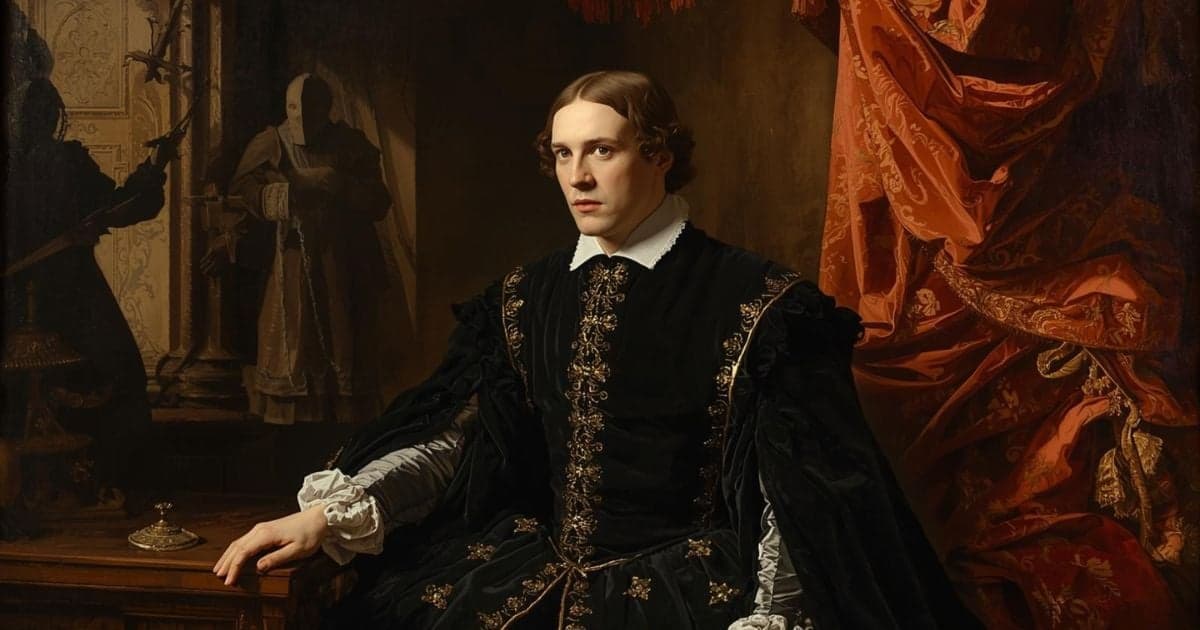
Edmund's Perfect Storm
ACT II SCENE I. A court within the Castle of the Earl of Gloucester Enter Edmund and Curan, meeting. EDMUND. Save thee, Curan. CURAN. And you, sir. I have been with your father, and given him notice that the Duke of Cornwall and Regan his Duchess will be here with him this night. EDMUND. How comes that? CURAN. Nay, I know not. You have heard of the news abroad; I mean the whispered ones, for they are yet but ear-kissing arguments? EDMUND. Not I: pray you, what are they? CURAN. Have you heard of no likely wars toward, ’twixt the…
Public-domain chapter text, formatted for reading.
Master this chapter. Complete your experience
Purchase the complete book to access all chapters and support classic literature
Available in paperback, hardcover, and e-book formats
Now let's explore the literary elements.
Key Quotes & Analysis
"The Duke be here tonight? The better! best! This weaves itself perforce into my business."
Context: Edmund learns Cornwall and Regan will arrive at Gloucester's castle tonight
Edmund treats the surprise visit as a gift, not a disruption. He instantly reframes random news as fuel for the plot he is already running against Edgar.
In Today's Words:
When a surprise audit or leadership visit hits your workplace, watch who looks thrilled instead of stressed. Opportunists treat chaos like a stage because everyone else is reacting, not checking. Before you promote, punish, or cut ties, ask who gains from the timing and demand facts after the room calms.
"Some blood drawn on me would beget opinion Of my more fierce endeavour:"
Context: Edmund tells Edgar their father is coming and stages a fake duel
Edmund manufactures panic so Edgar never questions the setup. The fake rescue makes the betrayal feel like brotherly urgency right up until the torches arrive.
In Today's Words:
Urgent warnings often come from the person setting the trap. A colleague who says run while manufacturing panic is controlling your next move, not saving you. Slow down, verify the threat independently, and never let fear make you the witness in someone else's scripted fight.
"Look, sir, I bleed."
Context: Edmund shows Gloucester his self-inflicted wound as proof of Edgar's attack
Edmund knows visible blood short-circuits doubt. People assume no one would cut themselves to lie, so the wound becomes evidence before anyone asks how the story fits together.
In Today's Words:
Visible injury convinces people before logic does. Someone may dramatize harm or play victim to end debate. Treat physical evidence as a starting point, not a verdict, especially when accusations arrive fast and the accuser keeps steering the room away from hard questions and witnesses.
"Whose virtue and obedience doth this instant So much commend itself, you shall be ours:"
Context: Cornwall rewards Edmund after hearing the frame-up
Power promotes the performer, not the innocent. Cornwall hears duty and obedience in Edmund's theater and offers patronage before anyone verifies Edgar's side of the fight.
In Today's Words:
Power often rewards the first polished story it hears. A manager may elevate whoever looks loyal in a crisis while the accused is absent. Delay irreversible decisions, interview both sides, and remember that performance is cheap while exile is expensive for everyone involved on site.
Thematic Threads
Deception
In This Chapter
Edmund stages an elaborate fake fight and wounds himself to frame Edgar for attempted murder
Development
Evolved from forged letters to physical theater: deception becomes increasingly bold and theatrical
In Your Life:
You might encounter this when someone creates dramatic 'evidence' to support their version of workplace conflicts or family disputes
Opportunity
In This Chapter
Edmund transforms the unexpected royal visit into perfect timing for his scheme against Edgar
Development
Introduced here: the ability to adapt plans to changing circumstances for maximum advantage
In Your Life:
You might see this when colleagues use company changes or family crises as cover for their own agendas
Trust
In This Chapter
Gloucester's parental love becomes a weapon Edmund uses against both his sons
Development
Deepened from earlier manipulation: trust is now being weaponized rather than just exploited
In Your Life:
You might experience this when someone uses your care for others to manipulate your decisions or judgments
Class
In This Chapter
Cornwall immediately elevates Edmund's status, while Edgar becomes a hunted fugitive overnight
Development
Continued theme: social position remains fluid and dependent on perception rather than birth
In Your Life:
You might witness this in how quickly workplace reputations can shift based on who tells the story first
Identity
In This Chapter
Edmund transforms from illegitimate son to trusted ally, while Edgar becomes branded as a traitor
Development
Expanded: identity shifts are now happening to multiple characters simultaneously through one event
In Your Life:
You might face this when your reputation gets redefined by a single incident or someone else's narrative about you
You now have the context. Time to form your own thoughts.
Discussion Questions
This is not a test. Five prompts guide you through the chapter, from how it opens to how it closes, so you notice context and rhythm rather than facts to memorize. Sit with each question in your own words. When you see "One way to read it," treat it as a starting point, not the only answer.
- 1
Why does Edmund call Cornwall's arrival 'the better! best!' instead of worrying?
analysis • surfaceOne way to read it
Cornwall's arrival gives Edmund powerful allies and a stage for his frame-up, so he welcomes the danger that will let him destroy Edgar publicly.
- 2
What does Edmund gain by drawing blood on himself before Gloucester arrives?
analysis • mediumOne way to read it
Drawing blood on himself makes Edgar's alleged attack look real and turns Edmund into the wounded loyal son before Gloucester can hear another version.
- 3
How does the invented 'unpossessing bastard' speech serve Edmund's story?
application • mediumOne way to read it
The invented speech about the unpossessing bastard lets Edmund sound reluctant while planting the idea that Edgar's grievance is illegitimacy itself.
- 4
Why does Cornwall promote Edmund the moment he hears the frame-up?
application • deepOne way to read it
Cornwall promotes Edmund instantly because the story flatters his appetite for decisive punishment and rewards a man who brings useful accusations.
- 5
When have you seen someone use a crisis to permanently frame a rival?
reflection • deepOne way to read it
Crisis framing lets a rival be permanently marked as guilty before anyone can verify facts, which is why Edmund strikes while Gloucester is alarmed.
Critical Thinking Exercise
Create Your Crisis Decision Protocol
Think about a time when you received shocking news or accusations during a stressful period. Write down three questions you wish you had asked before reacting, and create a personal protocol for handling dramatic information during chaotic moments.
Consider:
- •Consider who benefits from the timing of the information
- •Think about what evidence you would need to verify the claims
- •Reflect on how stress and emotions might cloud your judgment
Journaling Prompt
Write about a time when you made a decision too quickly during a crisis. What would you do differently now, and how can you build in safeguards against manipulation during stressful times?
Coming Up Next...
Chapter 7: When Loyalty Meets Power
At Gloucester's castle, two unlikely figures are about to cross paths in the darkness. One seeks shelter, the other seeks revenge, and neither knows how dramatically their meeting will reshape the game.