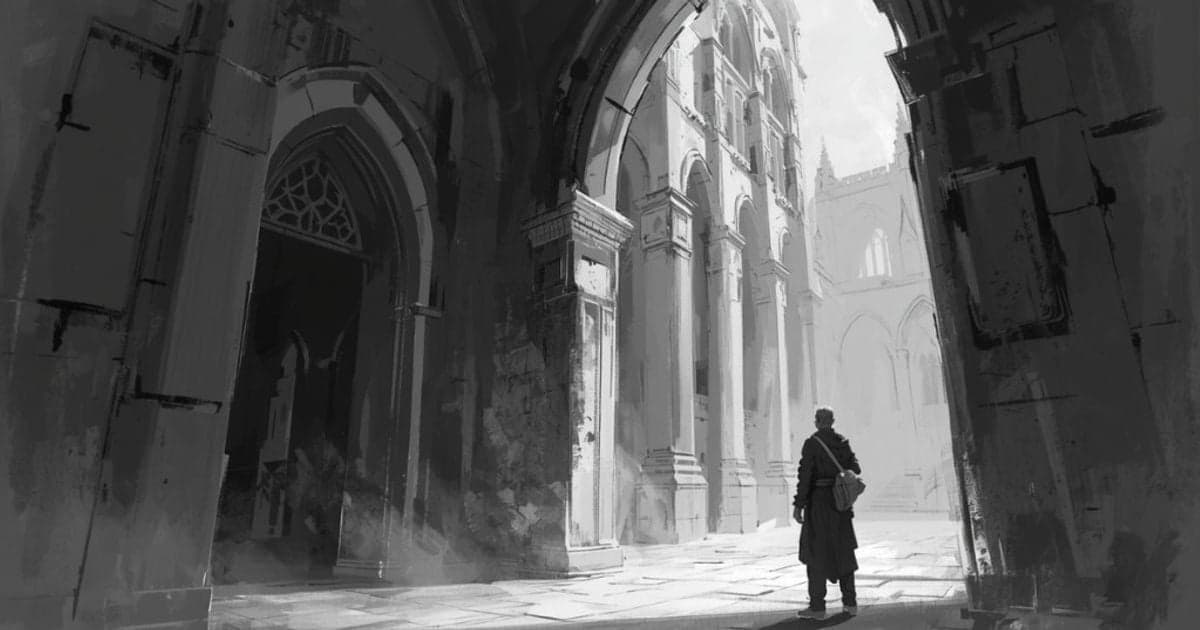
Chapter 24
The Final Reckoning
SCENE III. The British Camp near Dover Enter in conquest with drum and colours, Edmund, Lear and Cordelia as prisoners; Officers, Soldiers, &c. EDMUND. Some officers take them away: good guard Until their greater pleasures first be known That are to censure them. CORDELIA. We are not the first Who with best meaning have incurr’d the worst. For thee, oppressed King, I am cast down; Myself could else out-frown false fortune’s frown. Shall we not see these daughters and these sisters? LEAR. No, no, no, no. Come, let’s away to prison: We two alone will sing like birds i’ the…
Public-domain chapter text, formatted for reading.
Master this chapter. Complete your experience
Purchase the complete book to access all chapters and support classic literature
Available in paperback, hardcover, and e-book formats
Now let's explore the literary elements.
Key Quotes & Analysis
"We two alone will sing like birds i’ the cage:"
Context: Lear tells Cordelia he wants prison with her instead of begging mercy from her sisters
Stripped of crown and army, Lear chooses love over freedom. The cage is enough if Cordelia is in it with him.
In Today's Words:
Losing power can clarify what you actually wanted. Lear no longer asks for throne or army; he asks for one room, one daughter, and time together. People facing bankruptcy or exile sometimes discover the small life with the honest person beats the large life with flatterers.
"that men Are as the time is; to be tender-minded Does not become a sword."
Context: Edmund orders the captain to execute Cordelia in prison without questions
Edmund treats murder as professional duty. He frames cruelty as realism and rewards the man who will not hesitate.
In Today's Words:
Every era has people who call harm pragmatism. A boss who fires the whistleblower and says the market demands it. A leader who orders a coverup because sentiment would slow the machine. When tenderness is treated as weakness, ordinary workers are pressed to become swords.
"The wheel is come full circle; I am here."
Context: Edmund recognizes Edgar after losing the duel
Edmund sees that betrayal returns to its source. The brother he ruined stands over him, and the victory he built collapses in a moment.
In Today's Words:
Patterns close whether you believe in karma or not. The person you cheated to climb may return as the one who ends your run. Edmund admits the arc plainly: in business and family, the reckoning often wears the face of someone you counted out too early.
"Howl, howl, howl, howl! O, you are men of stone."
Context: Lear enters carrying Cordelia's body after the secret execution
Grief breaks language into raw sound. Lear cannot accept a world where Cordelia is dead and others stand unmoved.
In Today's Words:
Some losses strip away every polite sentence you have left. A parent who finds a child gone, a partner after preventable death: the cry is not rhetoric. Lear names the horror of watching stone-faced officials while the one honest person is already gone from the world.
Thematic Threads
Recognition
In This Chapter
Multiple characters finally see truth about their choices, but only after damage is irreversible
Development
Culminates themes of blindness and insight that have built throughout the play
In Your Life:
You might experience this when you finally understand someone's value after they've already left your life.
Power
In This Chapter
Edmund's military victory becomes meaningless as personal relationships collapse around him
Development
Shows the ultimate emptiness of power gained through manipulation and betrayal
In Your Life:
You might find that achieving a goal through questionable means leaves you isolated and unsatisfied.
Family
In This Chapter
Lear dies holding Cordelia, finally understanding what he destroyed through pride and poor judgment
Development
Completes the arc of family destruction that began with Lear's abdication
In Your Life:
You might realize the importance of family relationships only when facing loss or crisis.
Justice
In This Chapter
Trial by combat reveals truth, but justice comes at enormous cost to everyone involved
Development
Shows justice as destructive force rather than healing one when delayed too long
In Your Life:
You might find that getting justice or vindication feels hollow when it requires destroying relationships.
Survival
In This Chapter
Edgar and Albany inherit a devastated kingdom, bearing the weight of others' choices
Development
Introduces the burden of surviving when others have paid the ultimate price
In Your Life:
You might feel guilty about surviving family trauma or workplace disasters that claimed others.
You now have the context. Time to form your own thoughts.
Discussion Questions
This is not a test. Five prompts guide you through the chapter, from how it opens to how it closes, so you notice context and rhythm rather than facts to memorize. Sit with each question in your own words. When you see "One way to read it," treat it as a starting point, not the only answer.
- 1
Why does Lear prefer prison with Cordelia to begging her sisters for mercy, and what does that?
analysis • surfaceOne way to read it
Prison with Cordelia is Lear's chosen refuge from begging traitors; he prefers honest captivity to humiliating mercy from Goneril and Regan.
- 2
What prevents Edmund's order to save Cordelia from working even after he confesses and sends a?
analysis • mediumOne way to read it
Edmund's reprieve comes too late, is doubted, and loses to hurried execution; good intentions after irreversible orders cannot save Cordelia.
- 3
Where have you seen someone try to make amends only after the harm could no longer be undone?
application • mediumOne way to read it
Edmund's tardy confession mirrors anyone who tries to make amends only after the harm is already done.
- 4
How do Goneril's letter and the sisters' poisoning of each other connect to Edmund's claim that?
application • deepOne way to read it
Goneril poisons Regan over Edmund, proving the sisters destroy each other while Edmund's charm set the rivalry in motion.
- 5
What does Edgar mean when he says to speak what we feel, not what we ought to say, after so much?
reflection • deepOne way to read it
Edgar asks for plain speech after flattery and silence ruined the kingdom; truth, however late, is the only honest response to tragedy.
Critical Thinking Exercise
Track Your Warning Signals
Think of a current relationship or situation where you might be making a mistake but aren't completely sure. List three early warning signals that might indicate you need to change course, and identify one person whose honest feedback you could seek this week. The goal isn't to find problems where none exist, but to catch real issues before they become irreversible.
Consider:
- •Focus on people whose opinions you respect, even when their feedback stings
- •Look for patterns in how people respond to you, not just individual incidents
- •Consider whether your pride might be preventing you from seeing something important
Journaling Prompt
Write about a time when you realized you were wrong about something important, but the realization came too late to fix the damage. What early signals did you miss, and how might you recognize similar patterns in the future?