Master this chapter. Complete your experience
Purchase the complete book to access all chapters and support classic literature
As an Amazon Associate, we earn a small commission from qualifying purchases at no additional cost to you.
Available in paperback, hardcover, and e-book formats
Why This Matters
Connect literature to life
This chapter teaches how to distinguish between lies that help people survive and lies that exploit their vulnerability.
Practice This Today
This week, notice when someone shares devastating news and ask yourself: do they need information or do they need hope right now?
Now let's explore the literary elements.
Key Quotes & Analysis
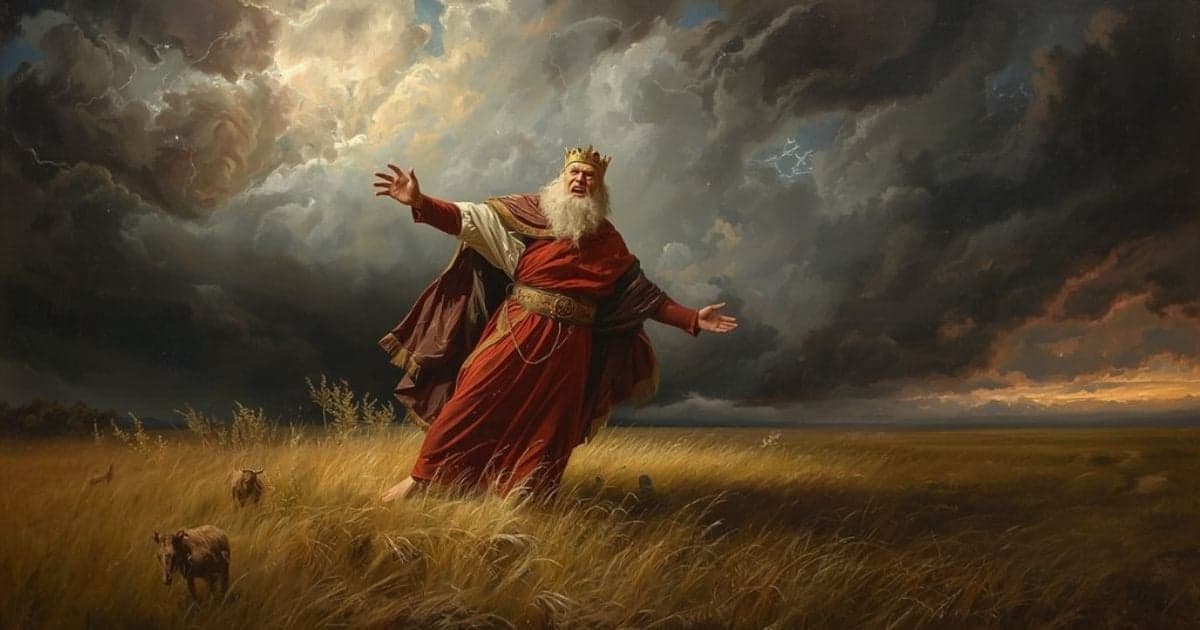
"Through tattered clothes great vices do appear; robes and furred gowns hide all."
Context: Lear speaks this during his mad ravings about justice and power
This reveals how madness has stripped away Lear's illusions about social hierarchy. He now sees that fancy clothes hide corruption while poor people's sins are visible and punished.
In Today's Words:
Poor people get caught and punished for everything, while rich people hide their crimes behind expensive lawyers and social status.
"The fishermen that walk upon the beach appear like mice."
Context: Edgar describes the supposed view from Dover cliff to his blind father
This is part of Edgar's elaborate lie to make Gloucester believe they're at a dangerous height. The vivid details make the deception convincing and therapeutic.
In Today's Words:
The people down there look tiny as ants from up here.
"Thy life's a miracle."
Context: Edgar tells his father this after Gloucester's failed suicide attempt
Edgar switches personas to convince Gloucester that surviving the 'fall' proves the gods want him to live. This therapeutic lie gives Gloucester hope and purpose.
In Today's Words:
You surviving that proves you're meant to be here for a reason.
Thematic Threads
Deception
In This Chapter
Edgar creates elaborate fiction about Dover cliff to prevent his father's suicide, using lies as medicine
Development
Evolved from Edmund's destructive lies to Edgar's healing ones, showing deception can serve love
In Your Life:
You might recognize this when deciding whether to tell a struggling friend the full truth about their situation or offer hope instead.
Class
In This Chapter
Lear's mad ravings reveal how 'robes and furred gowns hide all' while the poor face harsh judgment for small crimes
Development
Deepened from earlier scenes showing class privilege to now exposing the fundamental corruption of the justice system
In Your Life:
You see this when wealthy people get light sentences while working-class defendants face harsh punishment for the same crimes.
Identity
In This Chapter
Edgar switches personas fluidly, becoming whoever his father needs him to be in each moment
Development
Advanced from his initial disguise as Poor Tom to now consciously crafting identities for therapeutic purposes
In Your Life:
You might find yourself becoming different versions of yourself depending on what your family members need from you.
Truth
In This Chapter
Lear's madness paradoxically reveals deeper truths about power and corruption than his former royal wisdom ever did
Development
Introduced here as madness becoming a pathway to insight rather than just destruction
In Your Life:
You might notice that your most honest moments come when you've lost everything and have nothing left to protect.
Suffering
In This Chapter
Both fathers have been stripped of everything, yet this loss allows them to see clearly for the first time
Development
Transformed from pure destruction to becoming a teacher that reveals what was always hidden
In Your Life:
You might find that your worst moments also become the times when you finally understand what really matters.
You now have the context. Time to form your own thoughts.
Discussion Questions
- 1
Why does Edgar lie to his father about being at Dover cliff instead of telling him the truth about being on flat ground?
analysis • surface - 2
How does Edgar's fictional story about surviving an impossible fall change Gloucester's mindset about suicide?
analysis • medium - 3
When have you seen someone use a 'helpful lie' to give another person hope during a crisis?
application • medium - 4
How do you decide when brutal honesty helps someone versus when it just adds to their burden?
application • deep - 5
What does this scene reveal about the relationship between truth, hope, and healing?
reflection • deep
Critical Thinking Exercise
Map Your Truth vs. Hope Decisions
Think of three recent situations where someone came to you with a problem or crisis. For each situation, write down what you actually said versus what the 'brutal truth' would have been. Then evaluate: did your response give them tools to move forward, or did it just make you feel better about being honest?
Consider:
- •Consider whether your response opened doors for them or closed them
- •Think about whether they needed information to make decisions or just needed hope to keep going
- •Reflect on the difference between lies that protect versus lies that empower
Journaling Prompt
Write about a time when someone's 'helpful lie' or reframing actually changed your perspective during a difficult period. What made their approach work for you?
Coming Up Next...
Chapter 22: A Father's Broken Heart Mends
As war drums echo across the land, the final confrontations approach. Cordelia returns to face her sisters, while Edgar must decide whether to reveal his true identity to his father before the coming battle.