Chapter 29
The Weight of Ancient Places
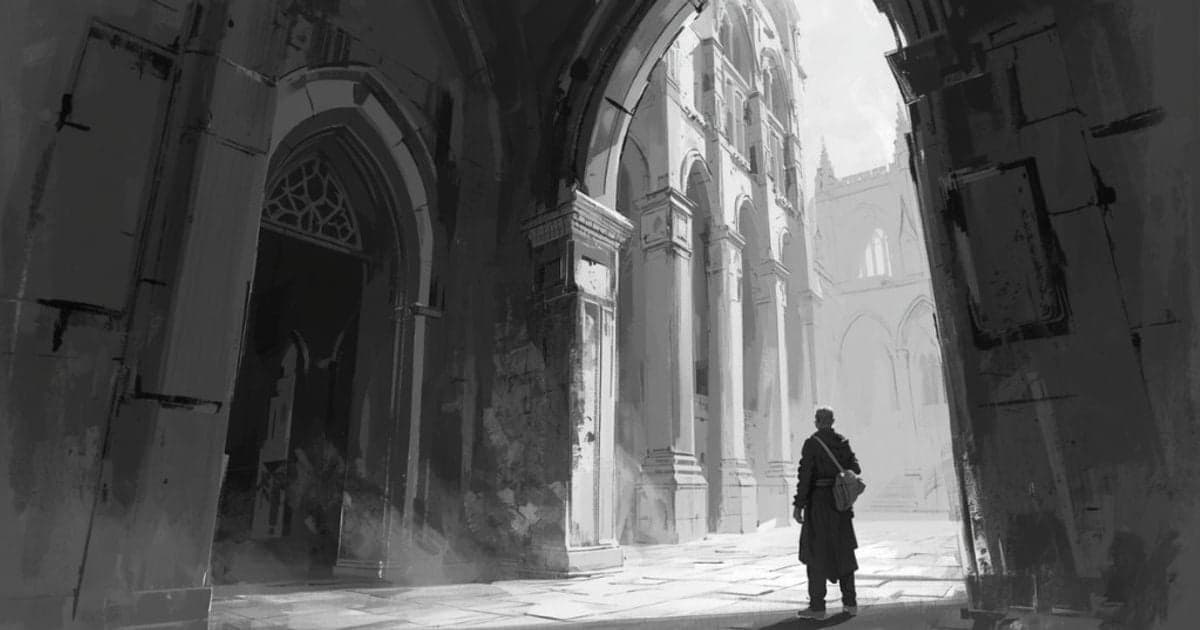
Shaston, the ancient British Palladour, From whose foundation first such strange reports arise, (as Drayton sang it), was, and is, in itself the city of a dream. Vague imaginings of its castle, its three mints, its magnificent apsidal abbey, the chief glory of South Wessex, its twelve churches, its shrines, chantries, hospitals, its gabled freestone mansions—all now ruthlessly swept away—throw the visitor, even against his will, into a pensive melancholy, which the stimulating atmosphere and limitless landscape around him can scarcely dispel. The spot was the burial-place of a king and a queen, of abbots and abbesses, saints and bishops,…
Public-domain chapter text, formatted for reading.
Master this chapter. Complete your experience
Purchase the complete book to access all chapters and support classic literature

Available in paperback, hardcover, and e-book formats
Now let's explore the literary elements.
Key Quotes & Analysis
"it depresses me dreadfully. Such houses are very well to visit, but not to live in—I feel crushed into the earth by the weight of so many previous lives there spent."
Context: Sue explains why she prefers tea in the schoolroom to Old-Grove Place
The ancient house literalizes how inherited roles and history press on her spirit.
In Today's Words:
Sue says Old-Grove Place depresses her because she feels crushed by the weight of so many previous lives spent there. History and architecture can feel like a sentence, not a home. When a place drains you, ask whether you are living your life or repeating someone else's.
"Isn't it enough to make one blaspheme that the composer of that hymn is one of the most commonplace men I ever met!"
Context: After Jude admits he visited the composer
Sue mocks Jude's projection and marks how art and artist can tragically misalign.
In Today's Words:
Sue says it is enough to make one blaspheme that the hymn's composer is one of the most commonplace men she ever met. Jude's pilgrimage collapses into a joke between them. When you discover the person behind work you idealized, notice how quickly fantasy can turn to embarrassment.
"the social moulds civilization fits us into have no more relation to our actual shapes than the conventional shapes of the constellations have to the real star-patterns."
Context: Sue speaks from the window before Jude leaves
Sue names the gap between her legal identity as Mrs. Phillotson and her inner self.
In Today's Words:
Sue tells Jude that social molds fit people no better than constellation charts fit real stars. She is legally Mrs. Phillotson but feels like someone else entirely. When your public role suffocates your inner life, the strain will show in small rebellions and private confessions.
"Oh, my poor friend and comrade, you'll suffer yet!"
Context: Sue's parting words from the window
Sue foresees pain for Jude even while drawing him closer, mixing pity with forbidden attachment.
In Today's Words:
Sue calls Jude her poor friend and comrade and warns that he will suffer yet. She pities him even while deepening their bond. When someone foretells your pain while keeping you near, weigh tenderness against the cost of staying entangled. Hardy shows how private pressure becomes public consequence when people ignore what the scene makes visible.
Thematic Threads
Forbidden Desire
In This Chapter
Jude and Sue's attraction intensifies despite her marriage, shown through their intimate moment over music and her confession of 'aberrant passions'
Development
Escalating from earlier intellectual connection to physical and emotional intimacy
In Your Life:
You might recognize this when you're drawn to someone or something you 'shouldn't' want, feeling torn between desire and duty.
Environmental Oppression
In This Chapter
The ancient house and decaying town of Shaston literally weigh on Sue's spirit, making her feel trapped by history
Development
Expanding Hardy's theme of how physical spaces reflect and intensify emotional states
In Your Life:
You might notice how certain places—your childhood home, a dead-end workplace—drain your energy and hope.
Social Performance
In This Chapter
Sue plays the role of proper schoolmaster's wife while privately confessing to feeling 'tossed about' with forbidden feelings
Development
Deepening exploration of how social roles conflict with authentic self
In Your Life:
You might see this when you're exhausted from maintaining an image that doesn't match your inner reality.
Emotional Contradiction
In This Chapter
Sue claims she's 'not easily moved' while clearly being deeply affected by Jude's presence and their shared music
Development
Continuing pattern of characters lying to themselves about their true feelings
In Your Life:
You might recognize this when you tell yourself you don't care about something that's actually consuming your thoughts.
Missed Opportunities
In This Chapter
Jude misses his train, symbolically showing how their connection disrupts normal life rhythms and schedules
Development
Building theme of how genuine connection often conflicts with practical obligations
In Your Life:
You might notice this when meaningful conversations or connections make you late, but somehow that feels more important than being on time.
You now have the context. Time to form your own thoughts.
Discussion Questions
This is not a test. Five prompts guide you through the chapter, from how it opens to how it closes, so you notice context and rhythm rather than facts to memorize. Sit with each question in your own words. When you see "One way to read it," treat it as a starting point, not the only answer.
- 1
How does Hardy's description of Shaston set the mood for Sue and Jude's meeting?
analysis • surfaceOne way to read it
The ruined abbey, steep climb, and town legends mirror weight, isolation, and a past that presses on the living.
- 2
Why does Sue prefer meeting in the school rather than at Old-Grove Place?
analysis • mediumOne way to read it
The ancient house depresses her with the weight of previous lives; the newer school feels like a place where only her own life must be supported.
- 3
Where do physical spaces in your life amplify feelings of being trapped or free?
application • mediumOne way to read it
Accept examples of homes, workplaces, or neighborhoods that either drain energy or allow a sense of starting fresh.
- 4
What does Sue's window speech reveal about the gap between her legal identity and her inner life?
application • deepOne way to read it
She is Mrs. Phillotson in name but describes herself as a woman with aberrant passions who does not fit civilization's mold.
- 5
Why does Jude walk home resolved to see her again despite knowing the danger?
reflection • deepOne way to read it
His human desire outweighs the self-denial counseled by the saints he admires; he cannot treat Sue as merely a cousin.
Critical Thinking Exercise
Map Your Weight of History
Think of an area in your life where you feel stuck or trapped. Draw a simple timeline showing the key decisions that led to your current situation. For each decision, note whether it was made freely or due to pressure (family, money, expectations). Then identify which constraints are real today versus which exist mainly in your mind because you've invested so much in past choices.
Consider:
- •Distinguish between sunk costs (money/time already spent) and genuine current obligations
- •Notice how identity ('I'm the type of person who...') can become a trap
- •Consider what you're really protecting—your future happiness or your past image
Journaling Prompt
Write about a time when you stayed in a situation longer than you should have because you'd already invested so much in it. What would you tell your past self about the difference between honoring commitments and honoring sunk costs?
Coming Up Next...
Chapter 30: Death Brings Dangerous Confessions
Sue sends a note telling Jude not to visit, but Aunt Drusilla's death pulls them together at Marygreen. At the funeral tea her guarded manner breaks and she confesses what marriage to Phillotson has truly cost her.