
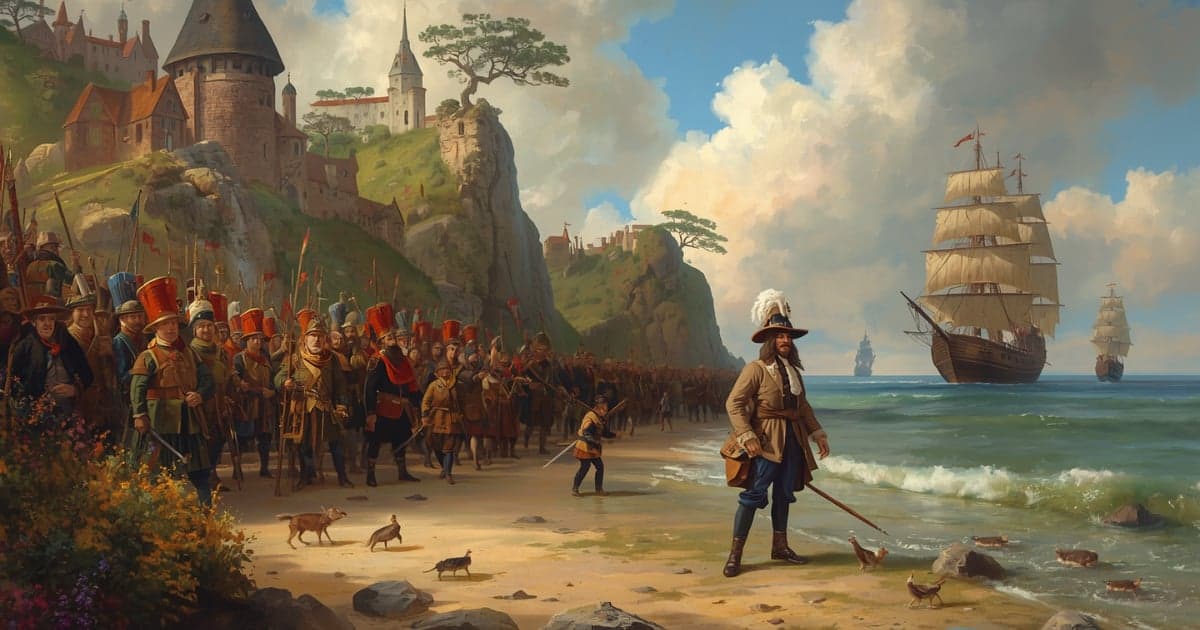
Chapter 25
Crawling Before Power
The author returns to Maldonada. Sails to the kingdom of Luggnagg. The author confined. He is sent for to court. The manner of his admittance. The king’s great lenity to his subjects. The day of our departure being come, I took leave of his highness, the Governor of Glubbdubdrib, and returned with my two companions to Maldonada, where, after a fortnight’s waiting, a ship was ready to sail for Luggnagg. The two gentlemen, and some others, were so generous and kind as to furnish me with provisions, and see me on board. I was a month in this voyage. We…
Public-domain chapter text, formatted for reading.
Critical Thinking Exercise
Identify the Humiliation Pattern
Think of a situation where you had to jump through hoops to get something you needed - a job, healthcare, government service, or family approval. Map out the three-step pattern: What degrading requirement was created? How was your compliance made to seem voluntary? What small mercy were you expected to be grateful for?
Consider:
- •Look for situations where basic human treatment was presented as special favor
- •Notice when you were made to feel grateful for getting less than you deserved
- •Consider who benefited from making the process difficult or humiliating
Journaling Prompt
Write about a time when you recognized you were being asked to be grateful for crumbs. How did you handle it, and what would you do differently now?
Master this chapter. Complete your experience
Purchase the complete book to access all chapters and support classic literature

Available in paperback, hardcover, and e-book formats
You Might Also Like

Lessons from Gulliver's Travels
Theme-by-theme analyses that connect this book to modern life skills.
Reading the Outside Mirror
Hear the Brobdingnag king call Europe vermin, then the Houyhnhnms describe Yahoos, until a calm account of your kind leaves no reply.
6 chapters·Explore AnalysisAvoiding Righteous Isolation
Stay with the return to Redriff: the stable, the long table, and the contempt that makes a better standard unlivable.
4 chapters·Explore AnalysisReading Power Dynamics
Watch Lilliput's ropes and Brobdingnag's cage: you can be a giant and still not control food, movement, or the story told about you.
6 chapters·Explore AnalysisDetecting Rational Cruelty
Watch Houyhnhnm reason and English policy use measured language to hide harm and keep the people affected out of the room.
5 chapters·Explore AnalysisDetecting Mission Drift
Sit in Laputa and Lagado: flying islands and academy projects that keep the mission on the wall while the fields below fail.
6 chapters·Explore AnalysisReading Incentive Inversion
Follow lawyers, physicians, and ministers in Gulliver's report: who gets paid when poverty, sickness, and crisis never end.
4 chapters·Explore Analysis
Deep diving the literary elements.