Chapter 14
Confrontation on the Glacier
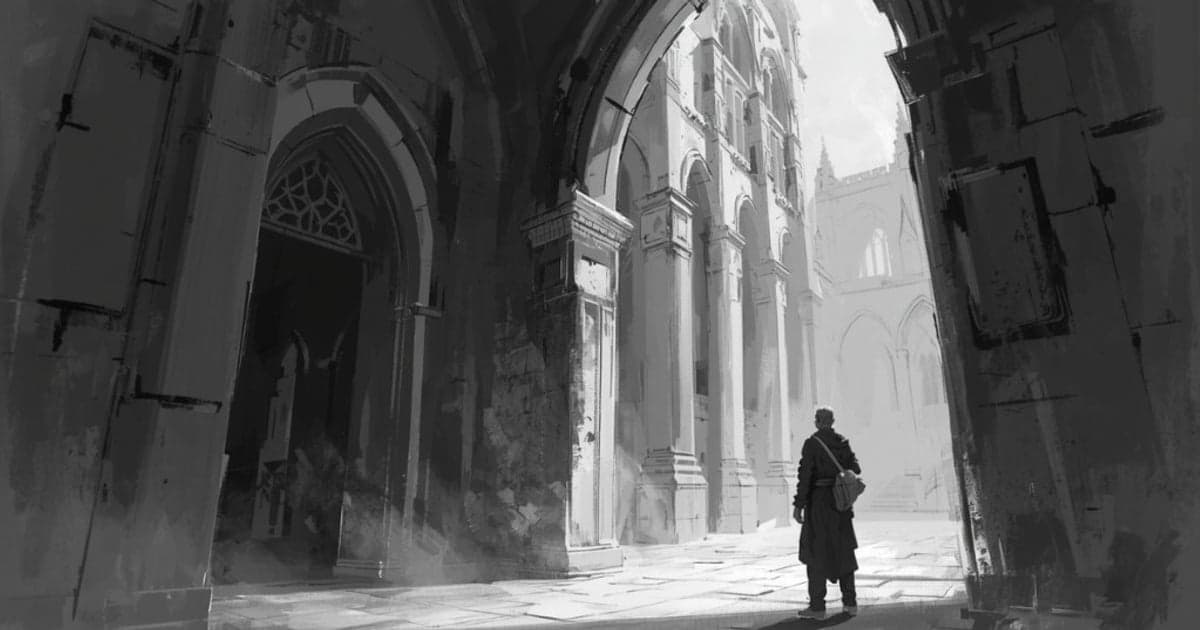
I spent the following day roaming through the valley. I stood beside the sources of the Arveiron, which take their rise in a glacier, that with slow pace is advancing down from the summit of the hills to barricade the valley. The abrupt sides of vast mountains were before me; the icy wall of the glacier overhung me; a few shattered pines were scattered around; and the solemn silence of this glorious presence-chamber of imperial Nature was broken only by the brawling waves or the fall of some vast fragment, the thunder sound of the avalanche or the cracking, reverberated…
Public-domain chapter text, formatted for reading.
Master this chapter. Complete your experience
Purchase the complete book to access all chapters and support classic literature
Available in paperback, hardcover, and e-book formats
Now let's explore the literary elements.
Key Quotes & Analysis
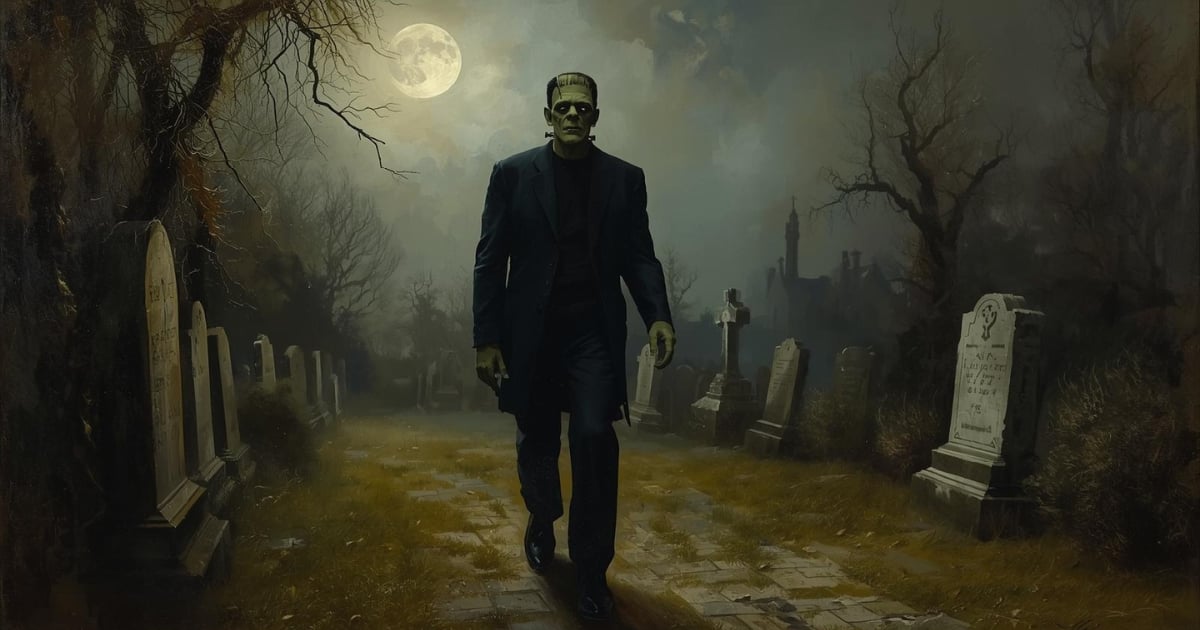
""Devil," I exclaimed, "do you dare approach me? And do not you fear the fierce vengeance of my arm wreaked on your miserable head?"
Context: Victor's first words when he sees the creature on the glacier
Rage replaces grief instantly. Victor reaches for annihilation before accountability, revealing how little he has prepared for the living being he created.
In Today's Words:
Devil, how dare you approach me? Do you not fear the vengeance I want to pour onto your miserable head? Victor's rage is immediate and total, but it cannot erase the fact that he is speaking to something he made, animated, and discarded without a word of guidance.
"I expected this reception," said the dæmon. "All men hate the wretched; how, then, must I be hated, who am miserable beyond all living things!"
Context: The creature responds to Victor's hatred on Montanvert
He names the social logic Victor refuses to see. Rejection is the baseline; the creator's horror is only the first and deepest instance of a world that will offer no welcome.
In Today's Words:
I expected this reception. All men hate the wretched, so how much more must I be hated? The creature names the pattern before Victor can: rejection came first, and violence followed misery, not the reverse, which is the moral argument Victor will spend the rest of the novel refusing to hear.
"I was benevolent and good; misery made me a fiend. Make me happy, and I shall again be virtuous."
Context: The creature's central claim about his moral formation
One of literature's most quoted moral arguments. The creature insists character was shaped by treatment, forcing Victor and the reader to confront nurture versus abandonment.
In Today's Words:
I was benevolent and good; misery made me a fiend. Make me happy and I shall again be virtuous. That line reframes the entire novel: the creature claims an original nature ruined by abandonment, not an innate evil Victor prefers to believe because guilt is easier when the other is monstrous.
"Listen to my tale; when you have heard that, abandon or commiserate me, as you shall judge that I deserve."
Context: The creature proposes the bargain that frames the next chapters
He demands the hearing any accused person deserves. Victor's agreement to listen is the first step back toward responsibility after months of flight and silence.
In Today's Words:
Listen to my tale, then abandon or commiserate me as I deserve. The bargain is stark: hear me out and perhaps peace returns, or refuse and watch more innocents die. Victor finally agrees, recognizing creator duty he has evaded since the creature first opened its eyes.
Thematic Threads
Identity
In This Chapter
The creature begins forming his identity through comparison—understanding himself by watching what he is not
Development
Evolved from basic survival needs to complex self-awareness through social observation
In Your Life:
You might recognize yourself more clearly when watching how others handle situations you struggle with
Class
In This Chapter
The creature occupies the ultimate outsider position—not just poor or different, but completely excluded from human society
Development
Deepened from Victor's privileged background to show the most extreme form of social exclusion
In Your Life:
You might feel this when you're the only one without certain experiences, education, or connections in a group
Human Relationships
In This Chapter
Family bonds are revealed as the foundation of human meaning—sharing, comfort, joy in each other's presence
Development
Introduced here as the creature's first exposure to functional human connection
In Your Life:
You might take your own family relationships for granted until you see someone who has none
Social Expectations
In This Chapter
The creature learns that humans are expected to live in community, not isolation—connection is the norm, not the exception
Development
Introduced here through the creature's realization of what 'normal' human life looks like
In Your Life:
You might feel pressure to appear connected and social even when you're struggling with loneliness
You now have the context. Time to form your own thoughts.
Discussion Questions
This is not a test. Five prompts guide you through the chapter, from how it opens to how it closes, so you notice context and rhythm rather than facts to memorize. Sit with each question in your own words. When you see "One way to read it," treat it as a starting point, not the only answer.
- 1
Where does Victor encounter the creature again?
analysis • surfaceOne way to read it
On the glacier at Montanvert, where the figure crosses the ice with superhuman speed.
- 2
What claim does the creature make about his original nature?
analysis • mediumOne way to read it
He was benevolent and good; misery made him a fiend. Rejection, not birth, shaped his violence.
- 3
Why does Victor agree to hear the creature's story despite calling him devil and insect?
application • mediumOne way to read it
The creature invokes creator's duty and threatens more deaths. Victor recognizes obligation he has shirked.
- 4
What bargain does the creature propose on the mountain?
application • deepOne way to read it
Listen to my tale and grant what I need—or watch your loved ones die. Victor must face the abandoned responsibility.
- 5
When have you had to listen to someone you harmed because you owed them a hearing?
reflection • deepOne way to read it
The glacier confrontation shifts the novel: the creature will speak, and Victor can no longer pretend creation ended in the laboratory.
Critical Thinking Exercise
Map Your Observer Moments
Think of a situation where you're currently an outsider looking in—maybe a new workplace, friend group, or community. Write down three specific patterns or dynamics you've noticed that the insiders seem to take for granted. Then identify one small action you could take to move from observer to participant.
Consider:
- •What unwritten rules have you picked up that nobody explicitly taught you?
- •Which relationships or power dynamics stand out most clearly from your outside perspective?
- •What's one thing you've learned by watching that could help you navigate similar situations in the future?
Journaling Prompt
Write about a time when being on the outside taught you something valuable about how groups work. How did that outsider knowledge help you later when you became an insider somewhere else?
Coming Up Next...
Chapter 15: The Creature's First Days—Learning to Exist
The creature begins his story from the very beginning, his first moments of confused consciousness, abandoned and alone, trying to understand a world that will only show him hatred The creature begins his tale from his first moments of consciousness. His narrative is heartbreaking: he remembers confusion, overwhelming sensations, and pain..