Wide Reads
Literature MattersLife IndexEducators
Sign in
Where to Begin

The Ball and Mr. Knightley's Kindness — Emma

Emma - The Ball and Mr. Knightley's Kindness

Jane Austen

Emma

The Ball and Mr. Knightley's Kindness

Home›Books›Emma›Chapter 38: The Ball and Mr. Knightley's Kindness
Previous
38 of 55
Next

Analysis by the Wide Reads editorial team·Reviewed against the source text·Updated December 11, 2025

Summary

The Ball and Mr. Knightley's Kindness

Emma by Jane Austen

0:000:00
Listen to Next Chapter

The Crown ball day arrives, and Frank Churchill reaches Randalls before disaster can strike again. Emma brings Harriet early to inspect the rooms with him, finding him restless, watchful, and eager for the evening to begin while half the neighbourhood seems invited to advise Mr Weston on candles and comfort.

Mrs Elton enters with studied elegance; Frank is curious, then displeased when she calls Jane Fairfax "Jane." Miss Bates's unstoppable talk fills the room, and Mrs Elton claims the carriage, the compliments, and the right to open the ball. Emma must dance second to her, though she had thought the evening peculiarly her own.

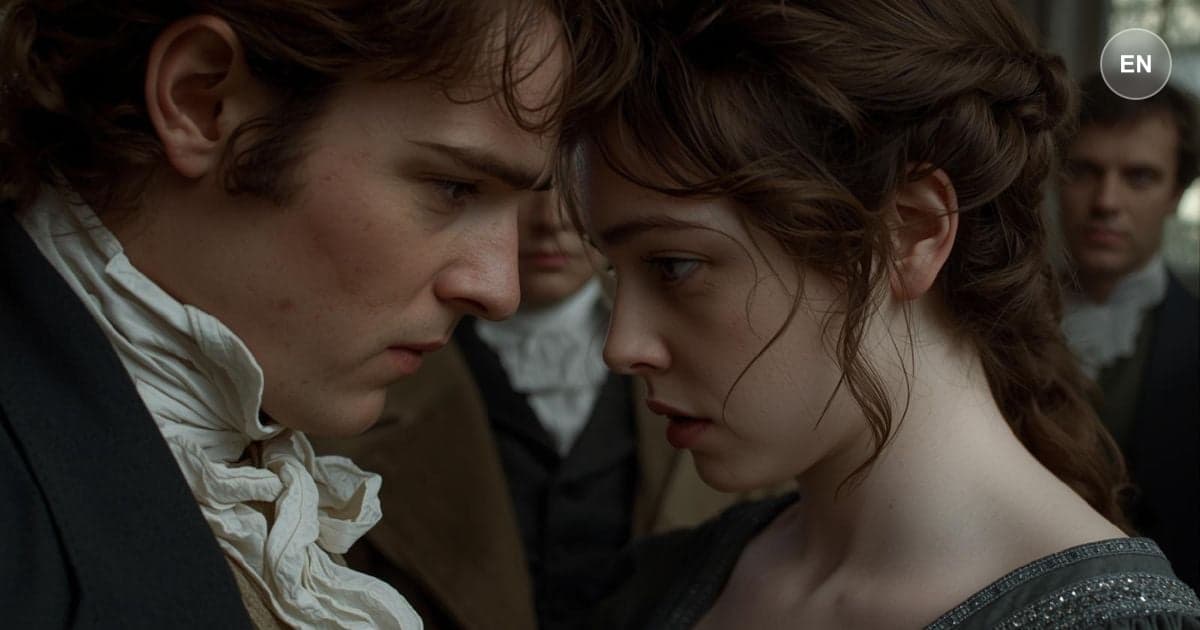
The dancing is lively until Harriet sits alone without a partner. Mr Elton saunters near her yet tells Mrs Weston his dancing days are over, with his wife's glances showing the refusal is deliberate cruelty. Knightley silently leads Harriet into the set and dances with natural grace, turning humiliation into joy while Mrs Elton calls it pity.

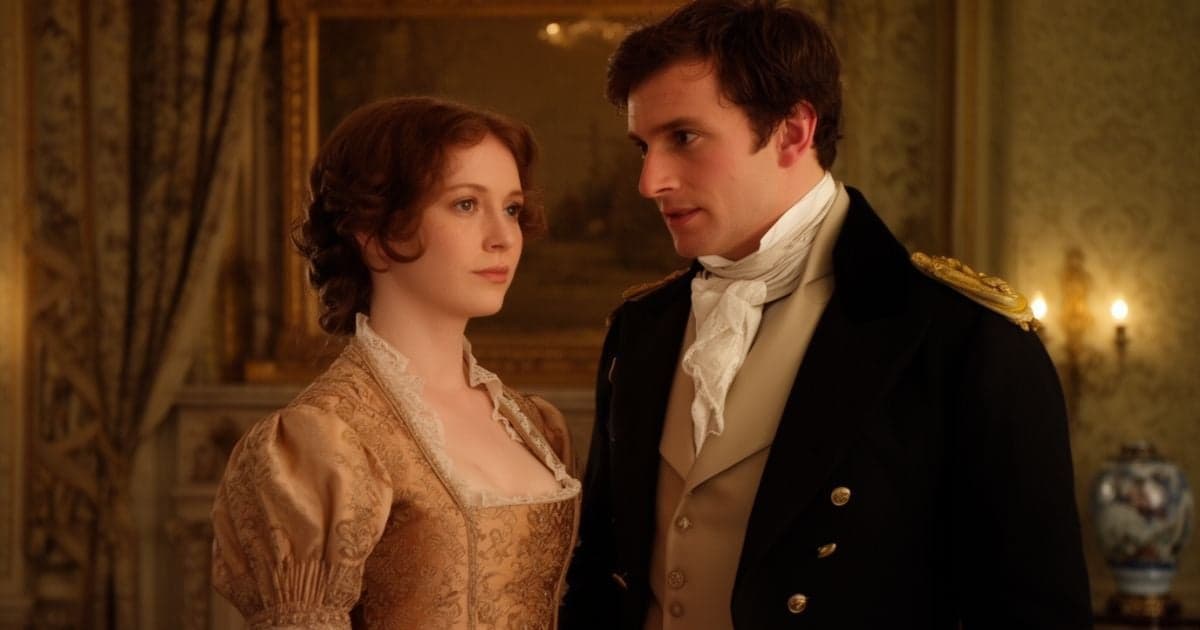
After supper Emma thanks Knightley; he says the Eltons aimed at wounding more than Harriet and asks why they are her enemies. She admits she wanted him to marry Harriet and they cannot forgive her. When dancing resumes, she asks Knightley to partner her, and he answers that brother and sister will not do. Frank seems less attached, but the ball's real shift is Knightley's public decency and private understanding with Emma.

Emma watches Frank fidget through arrivals, umbrella errands, and Mrs Elton's praise of his dancing, while Knightley stands among the non-dancers looking grave. She forces smiles when she catches his eye, wishes he liked balls and Frank better, and notes that Frank seems cheerful but no longer especially in love with her. The room's pleasure is real yet thin: Mrs Weston labours for general happiness, Miss Bates narrates every mat and rivet, and the Eltons perform consequence at Jane's expense.

Only when Harriet is left sitting does the evening show its moral weight. Mrs Weston kindly asks Elton to dance; he weaponizes courtesy. Knightley answers without speech. Emma's gratitude is visible across the room. Later he calls the Eltons' malice Emma's consequence and names her old matchmaking, yet indulges her confession. Their final dance, offered by Emma and accepted with a denial of mere cousinhood, closes a ball that has taught her more about character than about festivity.

In this chapter: Terms Characters Key Quotes Themes Modern Story

Why This Matters

Connect literature to life

Skill: Watching Who Acts in Public

Crowds reveal character under pressure. At the Crown ball Mr Elton refuses to dance with Harriet though he saunters near her, and Mr Knightley silently leads her into the set. When you see someone humiliated in company, notice who performs sympathy and who pays the social cost to help.

Coming Up in Chapter 39

Chapter III opens the morning after with Emma pleased by her understanding with Knightley until Frank Churchill arrives at Hartfield leading a frightened Harriet from a gypsy encounter on the Richmond road.

Share it with friends

PreviousPrevious ChapterNextNext Chapter
Original text
4,314 wordscomplete

Chapter 38

The Ball and Mr. Knightley's Kindness

No misfortune occurred, again to prevent the ball. The day approached, the day arrived; and after a morning of some anxious watching, Frank Churchill, in all the certainty of his own self, reached Randalls before dinner, and every thing was safe. No second meeting had there yet been between him and Emma. The room at the Crown was to witness it;—but it would be better than a common meeting in a crowd. Mr. Weston had been so very earnest in his entreaties for her arriving there as soon as possible after themselves, for the purpose of taking her opinion as…

Public-domain chapter text, formatted for reading.

Master this chapter. Complete your experience

Purchase the complete book to access all chapters and support classic literature

Buy at Powell'sBuy on Amazon

Available in paperback, hardcover, and e-book formats

Now let's explore the literary elements.

Key Quotes & Analysis

"Jane!”—repeated Frank Churchill, with a look of surprize and displeasure.—“That is easy—but Miss Fairfax does not disapprove it, I suppose.”"

— Frank Churchill

Context: Frank reacts to Mrs Elton's familiarity

Frank resists Mrs Elton's proprietary tone toward Jane.

In Today's Words:

When Mrs Elton calls Jane Fairfax "Jane," Frank Churchill repeats the name with surprise and displeasure and notes Miss Fairfax may not approve such familiarity. He bristles at her claim on Jane. The moment matters because everyone in the room is watching how each person responds.

"But my dancing days are over, Mrs. Weston. You will excuse me. Any thing else I should be most happy to do, at your command—but my dancing days are over.”"

— Mr Elton

Context: Elton refuses Harriet

Polite refusal masks deliberate humiliation.

In Today's Words:

Asked to dance with Harriet Smith, Mr Elton tells Mrs Weston his dancing days are over and he will do anything else, though he has been parading before Harriet all evening. The refusal is public and pointed. The moment matters because everyone in the room is watching how each person responds.

"Knightley has taken pity on poor little Miss Smith!—Very good-natured, I declare.”"

— Mrs Elton

Context: Mrs Elton comments on the rescue

She reframes kindness as condescension.

In Today's Words:

After Mr Knightley leads Harriet into the set, Mrs Elton tells her partner he has taken pity on poor little Miss Smith and is very good-natured. She turns his rescue into a performance of charity. The moment matters because everyone in the room is watching how each person responds.

"Brother and sister! no, indeed.”"

— Mr Knightley

Context: Knightley accepts Emma's dance

Knightley rejects cousinly distance; the evening turns.

In Today's Words:

When Emma asks Knightley to dance and says they are not so much brother and sister as to make it improper, he answers brother and sister, no indeed, and offers his hand. The ball ends on changed footing between them. The moment matters because everyone in the room is watching how each person responds.

Thematic Threads

Class

In This Chapter

Mr. Elton's refusal to dance with Harriet exposes how class prejudice operates through social exclusion

Development

Evolved from Emma's earlier class-based matchmaking mistakes to showing how class cruelty actually functions

In Your Life:

You might see this when coworkers treat service workers differently or when people's attitudes shift based on someone's job title

True Gentility

In This Chapter

Mr. Knightley demonstrates that real class comes from protecting the vulnerable, not from titles or money

Development

Builds on his earlier corrections of Emma to show positive modeling of genuine character

In Your Life:

You recognize this in people who treat everyone with equal respect regardless of their position or background

Social Masks

In This Chapter

The ball strips away everyone's pretenses—the Eltons show their pettiness, Frank his selfishness, Knightley his goodness

Development

Culminates the ongoing theme of appearance versus reality that's run throughout Emma's social observations

In Your Life:

You see this during stressful times when people's true priorities and values become visible

Recognition

In This Chapter

Emma finally sees Mr. Knightley's true worth and chooses to dance with him over Frank Churchill

Development

Marks Emma's growing ability to distinguish between superficial charm and genuine character

In Your Life:

You experience this when you start valuing reliability and kindness over excitement and drama

Power Dynamics

In This Chapter

Those with social power (Eltons) use it to exclude, while those with true strength (Knightley) use it to include

Development

Shows how different characters handle the power and influence they possess

In Your Life:

You notice this in how supervisors, parents, or anyone with authority chooses to use their position

You now have the context. Time to form your own thoughts.

Discussion Questions

This is not a test. Five prompts guide you through the chapter, from how it opens to how it closes, so you notice context and rhythm rather than facts to memorize. Sit with each question in your own words. When you see "One way to read it," treat it as a starting point, not the only answer.

  1. 1

    Why does Emma arrive early at the Crown?

    ▶One way to read it

    Mr Weston begged her to inspect the rooms before guests arrived, so she must spend a quiet interval with Frank and convey Harriet.

    analysis • surface
  2. 2

    How does Mrs Elton take precedence at the ball?

    ▶One way to read it

    She expects to open the ball, claims carriages and Jane's care, and forces Emma to stand second in the first dance.

    analysis • medium
  3. 3

    What does Mr Elton do when Harriet lacks a partner?

    ▶One way to read it

    He saunters near her yet tells Mrs Weston his dancing days are over rather than ask Harriet, while his wife encourages him.

    application • medium
  4. 4

    How does Knightley change Harriet's evening?

    ▶One way to read it

    He leads Harriet into the set and dances extremely well, turning public humiliation into distinction and delight.

    application • deep
  5. 5

    When have you seen kindness cost someone social capital?

    ▶One way to read it

    One honest answer might recall Knightley crossing the room for Harriet while the Eltons preserved their superiority.

    reflection • deep

Critical Thinking Exercise

10 minutes

Map Your Character-Revealing Moments

Think about the last month and identify three moments when you had to choose between helping someone or protecting yourself socially. Write down what happened, what choice you made, and what it revealed about your priorities. Then identify one upcoming situation where you might face a similar test.

Consider:

  • •These moments often happen quickly - the choice between gossiping or defending someone
  • •Small acts of inclusion or exclusion reveal as much as big dramatic gestures
  • •How you treat people who can't help you back shows your true character

Journaling Prompt

Write about a time when someone showed you unexpected kindness during an awkward or difficult moment. How did it change how you saw them? How did it make you want to treat others?

Coming Up Next...

Chapter 39: The Rescue and the Matchmaker's Hope

Chapter III opens the morning after with Emma pleased by her understanding with Knightley until Frank Churchill arrives at Hartfield leading a frightened Harriet from a gypsy encounter on the Richmond road.

Continue to Chapter 39
Previous
When Distance Creates Clarity
Contents
Next
The Rescue and the Matchmaker's Hope
Keep exploring

Continue Exploring

Study guides, teaching tools, themes, and the full library.More ways to read Emma: study guides, teaching tools, and the wider library.

  • Emma Study Guide
  • Teaching Resources
  • Essential Life Index
  • Browse by Theme
  • All Books

What this chapter teaches

Theme analyses that draw on this chapter and apply it to modern life.

  • Distinguishing Genuine Help from EgoExplore distinguishing genuine help from ego through Emma by Jane Austen. Life lessons from classic literature applied to modern challenges.
Social Class & StatusLove & RelationshipsIdentity & Self-Discovery

You Might Also Like

Northanger Abbey cover

Northanger Abbey

Jane Austen

Also by Jane Austen

Pride and Prejudice cover

Pride and Prejudice

Jane Austen

Also by Jane Austen

Sense and Sensibility cover

Sense and Sensibility

Jane Austen

Also by Jane Austen

Persuasion cover

Persuasion

Jane Austen

Also by Jane Austen

Browse all 106+ books

Share This Chapter

Know someone who'd enjoy this? Spread the wisdom!

TwitterFacebookLinkedInEmail

Go further with Prestige

Unlock study guides and downloads, early access, and exclusive content — and support free access for everyone.

Subscribe to PrestigeCreate free account
Intelligence Amplifier
Intelligence Amplifier™Powering Wide Reads

Exploring human-AI collaboration through books, essays, and philosophical dialogues. Classic literature transformed into navigational maps for modern life.

2025 Books

→ The Amplified Human Spirit→ The Alarming Rise of Stupidity Amplified→ San Francisco: The AI Capital of the World
Visit intelligenceamplifier.org
hello@widereads.com

WideReads Originals

→ You Are Not Lost→ The Last Chapter First→ The Lit of Love→ Wealth and Poverty→ Wisdom for the Wounded
Arvintech
arvintechAmplify your Mind
Visit at arvintech.com

Navigate

  • Home
  • Library
  • Essential Life Index
  • How It Works
  • Subscribe
  • Account
  • About
  • Contact
  • Authors
  • Suggest a Book
  • Landings

Made For You

  • Trending
  • Students
  • Educators
  • Families
  • Readers
  • Literary Analysis
  • Finding Purpose
  • Letting Go
  • Recovering from a Breakup
  • Corruption
  • Gaslighting in the Classics

Newsletter

Weekly insights from the classics. Amplify Your Mind.

Legal

  • Privacy Policy
  • Terms of Service
  • Editorial Standards
  • Cookie Policy
  • Accessibility

Why Public Domain?

We focus on public domain classics because these timeless works belong to everyone. No paywalls, no restrictions—just wisdom that has stood the test of centuries, freely accessible to all readers.

Public domain books have shaped humanity's understanding of love, justice, ambition, and the human condition. By amplifying these works, we help preserve and share literature that truly belongs to the world.

A Pilgrimage

Powell's City of Books

Portland, Oregon

If you ever find yourself in Portland, walk to the corner of Burnside and 10th. The building takes up an entire city block. Inside is over a million books, new and used on the same shelf, organized by color-coded rooms with names like the Rose Room and the Pearl Room. You can lose an afternoon. You can lose a weekend. You will find a book you have been looking for your whole life, and three you did not know existed.

It is a pilgrimage. We cannot find a bookstore like it anywhere on earth. If you read the classics, and you ever get the chance, go. It belongs on every reader's bucket list.

Visit powells.com

We are not in any way affiliated with Powell's. We are just a very big fan.

© 2026 Wide Reads™. All Rights Reserved.

Intelligence Amplifier™ and Wide Reads™ are proprietary trademarks of Arvin Lioanag.

Copyright Protection: All original content, analyses, discussion questions, pedagogical frameworks, and methodology are protected by U.S. and international copyright law. Unauthorized reproduction, distribution, web scraping, or use for AI training is strictly prohibited. See our Copyright Notice for details.

Disclaimer: The information provided on this website is for general informational and educational purposes only and does not constitute professional, legal, financial, or technical advice. While we strive to ensure accuracy and relevance, we make no warranties regarding completeness, reliability, or suitability. Any reliance on such information is at your own risk. We are not liable for any losses or damages arising from use of this site. By using this site, you agree to these terms.