Chapter 18
The Art of Defending People We've Never Met
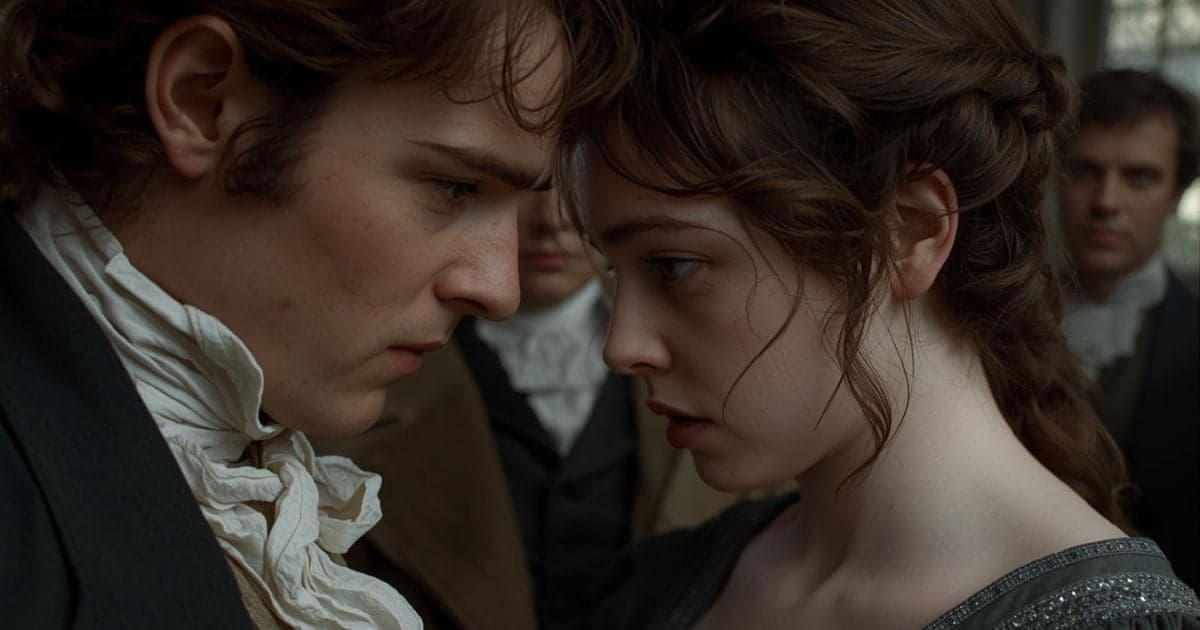
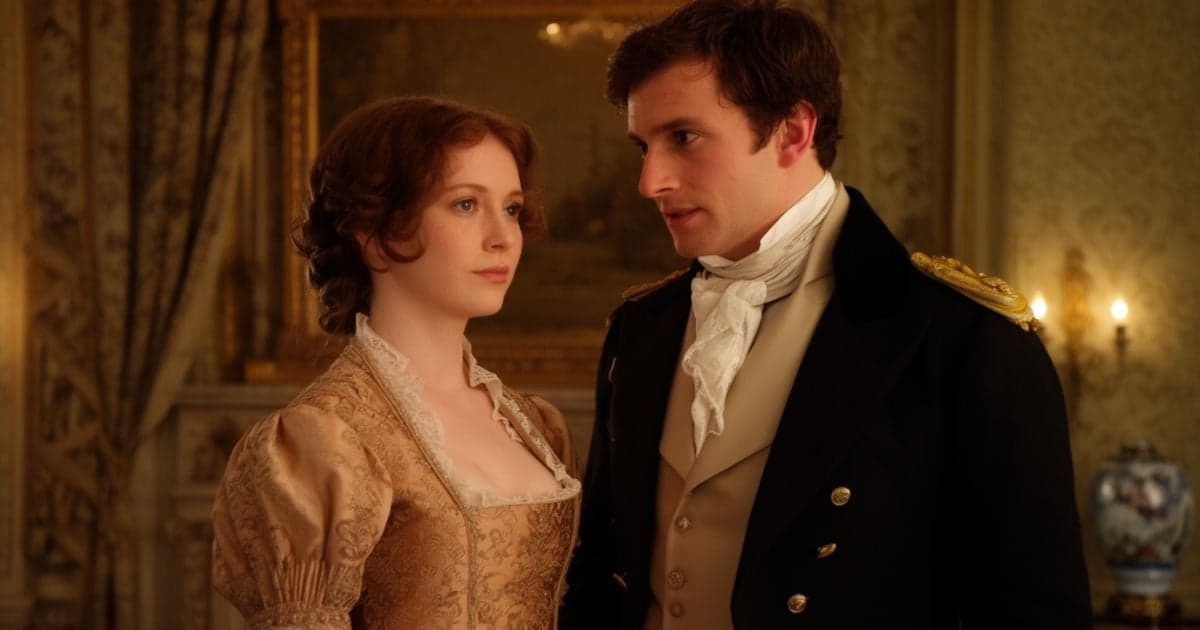
Mr. Frank Churchill did not come. When the time proposed drew near, Mrs. Weston’s fears were justified in the arrival of a letter of excuse. For the present, he could not be spared, to his “very great mortification and regret; but still he looked forward with the hope of coming to Randalls at no distant period.” Mrs. Weston was exceedingly disappointed—much more disappointed, in fact, than her husband, though her dependence on seeing the young man had been so much more sober: but a sanguine temper, though for ever expecting more good than occurs, does not always pay for its…
Public-domain chapter text, formatted for reading.
Master this chapter. Complete your experience
Purchase the complete book to access all chapters and support classic literature
Available in paperback, hardcover, and e-book formats
Now let's explore the literary elements.
Key Quotes & Analysis
"taking the other side of the question from her real opinion, and making use of Mrs. Weston’s arguments against herself."
Context: Emma's debate with Mr Knightley about Frank Churchill
Emma catches herself mid-argument. Loyalty to the Westons has her advocating positions she does not privately hold.
In Today's Words:
Emma realizes with amusement that she is arguing the opposite of what she actually thinks, borrowing Mrs Weston's excuses to defend Frank Churchill because she wants to spare the Westons, not because she believes her own lines. She is performing loyalty far more than conviction in that moment.
"There is one thing, Emma, which a man can always do, if he chuses, and that is, his duty; not by manoeuvring and finessing, but by vigour and resolution."
Context: Knightley on Frank's failure to visit his father
Knightley frames character as will and plain speech. From independence he cannot credit excuses built on dependence.
In Today's Words:
Mr Knightley tells Emma a man can always do his duty if he chooses, without scheming but with direct resolve. He believes Frank Churchill could visit his father at Randalls if he truly meant to honor the obligation he keeps promising. From his independent life he sees excuses as weakness, not strategy.
"But you have not an idea of what is requisite in situations directly opposite to your own."
Context: Emma mocking Knightley's imagined speech to the Churchills
Emma names Knightley's blind spot: lifelong mastery makes dependence look like simple cowardice.
In Today's Words:
Emma tells Mr Knightley he cannot imagine what is required in a life opposite to his own, where a dependent young man cannot stand in a drawing room and declare independence to the aunt and uncle who raised and support him. She is defending Frank partly to spare the Westons' feelings.
"No, Emma, your amiable young man can be amiable only in French, not in English."
Context: Knightley's closing judgment of Frank's letters to Randalls
Polished manners without real consideration for others' feelings. Knightley separates charm from English delicacy toward those who wait.
In Today's Words:
Mr Knightley tells Emma her amiable young man may be agreeable in the French sense of pleasant manners, but not in the English sense of real care for other people's feelings, especially Mrs Weston's disappointment at Randalls. His polished letters satisfy others but not Mrs Weston's quick feelings.
Thematic Threads
Loyalty
In This Chapter
Emma defends Frank Churchill despite never meeting him, solely because his rejection disappoints the Westons
Development
Building from her general desire to please others, now showing how loyalty can override judgment
In Your Life:
You might find yourself defending your friend's bad relationship choices just because you love them
Class
In This Chapter
Knightley's independence versus Frank's dependence on wealthy guardians creates different moral obligations
Development
Continues exploring how economic position shapes moral choices and social expectations
In Your Life:
Your financial independence determines how much you can afford to stand on principle
Self-Knowledge
In This Chapter
Emma realizes she's arguing against her own instincts and taking positions she doesn't believe
Development
First major moment of Emma recognizing her own contradictions and borrowed thinking
In Your Life:
You might catch yourself parroting opinions that aren't really yours to fit in or protect others
Privilege
In This Chapter
Knightley judges from his position of independence, unable to understand constraints of dependence
Development
Introduced here as a blind spot that affects moral judgment
In Your Life:
Your advantages might make it hard to understand why others can't just do what seems obviously right
Character
In This Chapter
Fundamental disagreement about what makes someone good—unwavering principle versus navigating complexity
Development
Deepens the exploration of different moral frameworks and what we value in people
In Your Life:
You might clash with others over whether being consistent or being adaptable matters more
You now have the context. Time to form your own thoughts.
Discussion Questions
This is not a test. Five prompts guide you through the chapter, from how it opens to how it closes, so you notice context and rhythm rather than facts to memorize. Sit with each question in your own words. When you see "One way to read it," treat it as a starting point, not the only answer.
- 1
How do Mr and Mrs Weston respond differently to Frank's excuse letter?
analysis • surfaceOne way to read it
Mr Weston rebounds in half an hour and reframes delay as advantage; Mrs Weston, more apprehensive, foresees only more excuses and suffers more herself.
- 2
When does Emma realize she is arguing against her real opinion?
analysis • mediumOne way to read it
During debate with Mr Knightley she perceives she has taken the other side from her real view and is using Mrs Weston's arguments against herself.
- 3
Why does Emma say Mr Knightley cannot judge dependence?
application • mediumOne way to read it
He has always been his own master and imagines Frank could simply speak with vigour to the Churchills, which Emma calls impossible in a dependent position.
- 4
What does Knightley mean when he says Frank can be amiable only in French, not English?
application • deepOne way to read it
Frank may have pleasing manners but lacks real English delicacy toward others' feelings, such as Mrs Weston's stake in his visit to Randalls.
- 5
When have you argued for someone while doubting your own points?
reflection • deepOne way to read it
One honest answer might recall a moment like Emma's, when protecting someone you love made you advocate a position you did not privately hold.
Critical Thinking Exercise
Separate the Person from the Position
Think of a recent situation where you defended someone's decision or behavior primarily because you care about them, not because you actually agreed with their choice. Write down what you actually believed versus what you argued. Then rewrite how you could have supported the person without defending the position you didn't believe.
Consider:
- •Notice the difference between 'I support you' and 'I support your decision'
- •Consider how loyalty can override our better judgment
- •Think about whether defending questionable positions actually helps the people we love
Journaling Prompt
Write about a time when someone defended you in a situation where you were actually wrong. How did that feel? Did their defense help you grow, or did it enable you to avoid taking responsibility?
Coming Up Next...
Chapter 19: Avoiding Uncomfortable Conversations
Volume II opens with Emma steering Harriet away from Mr Elton talk by calling on Mrs and Miss Bates, only to hear Jane Fairfax's letter read aloud and learn she is coming to Highbury for three months instead of Ireland..