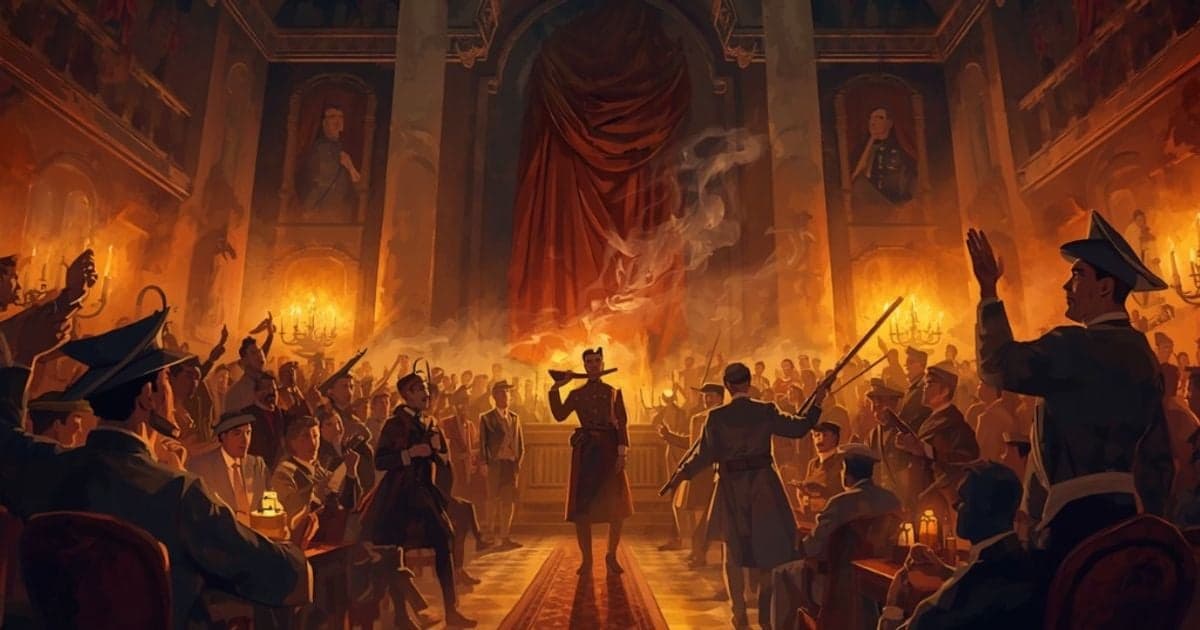
Thursday sunset finds Isagani on the Maria Cristina promenade toward Paulita's appointment, Paulita's letters in his pocket and jealousy still burning from the Variedades. He meant to demand explanations, yet melancholy paints Manila grey: the port a humiliation, the Anda monument absurd, wounded soldiers forgotten while Ben-Zayb reports Simoun's sudden illness and the rich jeweler receives aides. Isagani muses on colonial wars, envies islanders who die defending home, and almost regrets that Spain and Germany made peace before he could fall under a Spanish-Filipino banner.
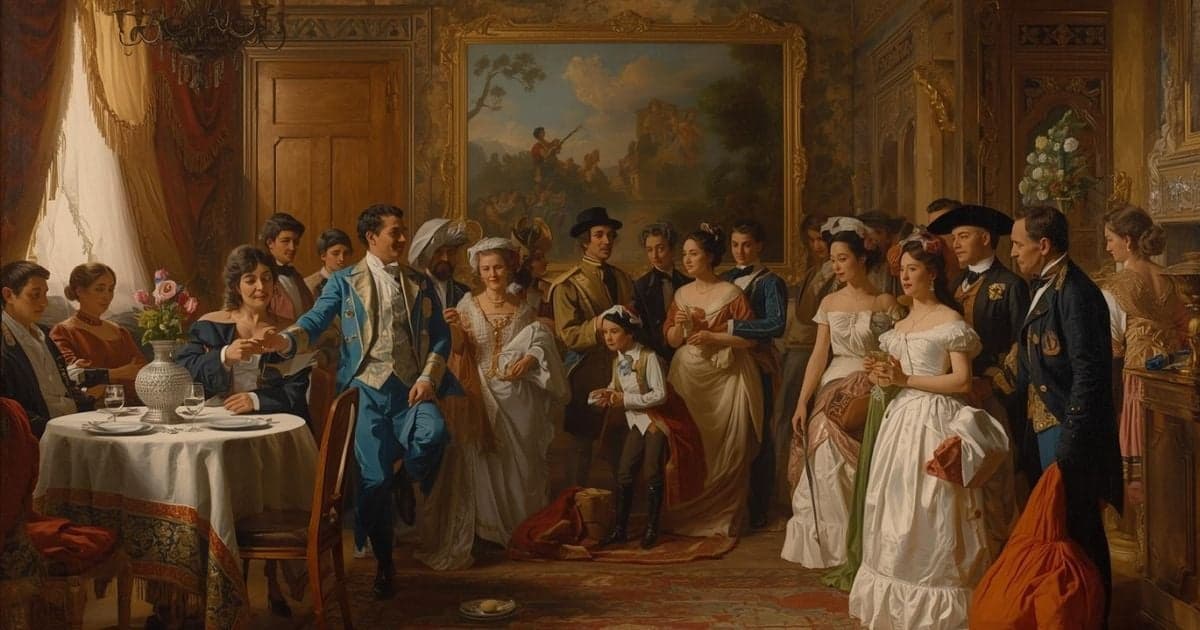
Mention of language snaps him back to the students' Castilian defeat and the shirtless pansitería feast planned that same night, when liberals at home might finish what Madrid reformers start. Paulita's white horses arrive; Doña Victorina hunts Don Tiburcio for remarriage and praises Juanito Pelaez while Isagani, knowing Tiburcio hides with Padre Florentino, speaks well of his rival out of delicacy. A dropped fan frees the lovers; Paulita plays offended, reverses the quarrel, and confesses her aunt, not she, pursues Juanito while Isagani apologises for staring at stage cochers and shares Tiburcio's secret under a promise Paulita will break to her friend.
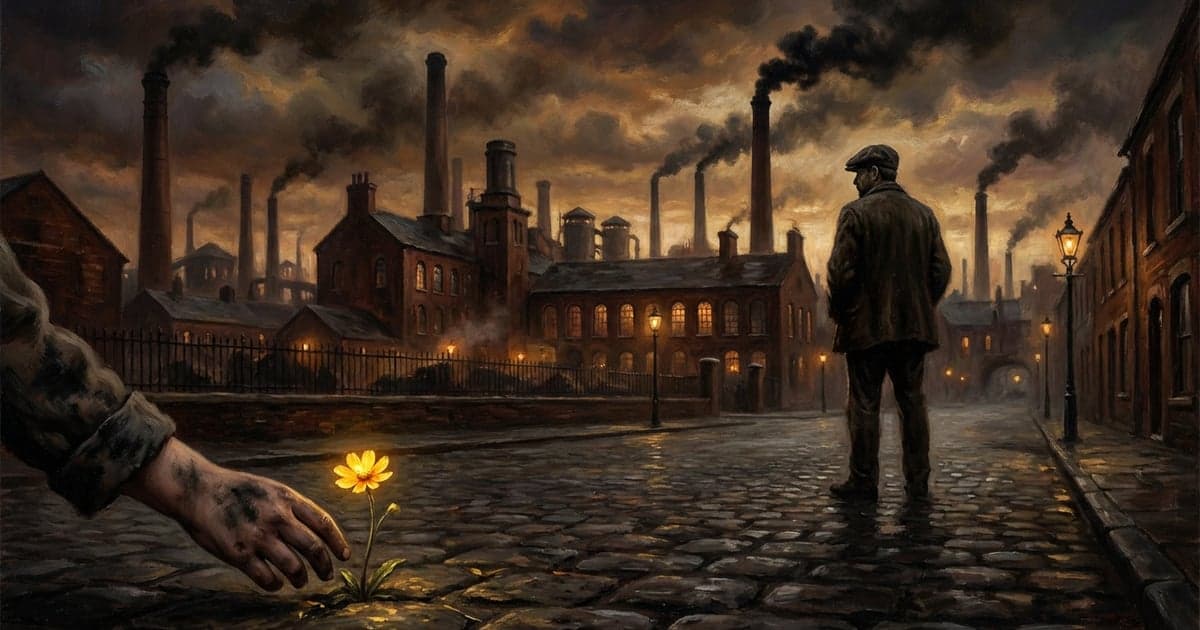
Isagani's mountain soliloquy swaps tyranny for sea sirens and liberty songs until Paulita shivers at leeches and demands carriages and rails. He answers with a rose-tinted catalogue: Madrid students, just laws, factories like Mandaloyan, masts on the river, Spaniard and Filipino guarding coasts, labour dignified, hands joined like prosperous England. Paulita sighs dreams, dreams, cites enemies, and quotes her aunt that the country must stay enslaved; Isagani calls the aunt slave-dependent yet vows a pacific struggle sung to women's applause.
When Paulita asks but if you accomplish nothing, he offers death with her proud gaze on his corpse fighting for the fatherland. Doña Victorina ends the idyll; moonlight carriage ride across La Sabana and the Bridge of Spain erases the bay again while he sees only her profile and a diamond earring. Rizal sets youthful reform poetry beside sceptical love the night before the pansitería mock banquet. When the vision runs past the receipt in your hand, is it still patriotism or self-hypnosis?