
Ecclesiastes

Qoheleth
0:00 / 0:00
The Teacher has already run every experiment a king can afford, and he still cannot keep what he found. He calls it hevel: vapour, breath, mist, something you can see and cannot hold. Generations pass. The sun returns to the place it rose. Rivers fill a sea that is never full. There is no new thing under the sun, and no remembrance of the people who came before. An anonymous Teacher, writing sometime in the third century BCE, tests wisdom, pleasure, and work as if a king could buy an answer. The hands stay empty.
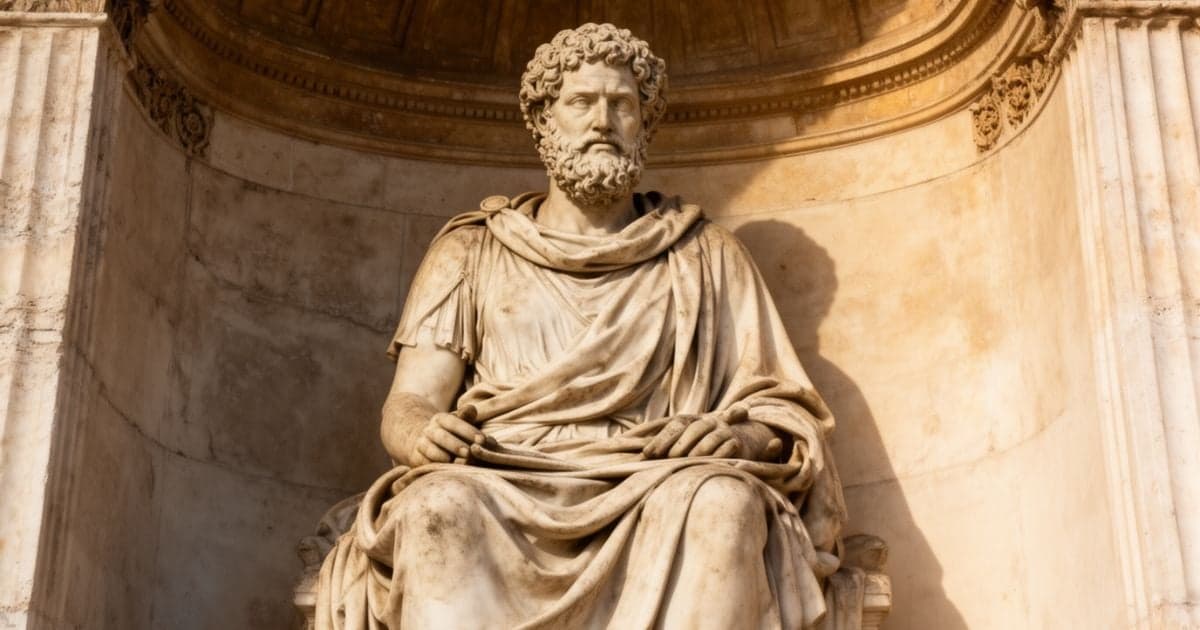
Qoheleth, Hebrew for Assembler or Teacher, presents himself as king in Jerusalem, traditionally Solomon, with the credentials to know. He has pursued wisdom past comfort and found that knowledge increases sorrow. He has built houses, planted vineyards, gathered silver, hired singers, and withheld nothing his eyes desired. He has watched the oppressed weep with no comforter, seen a man given riches he cannot enjoy, and named a stillborn child better off than a long life that never tastes its own good. The living dog is better than the dead lion. A poor wise man saves a city and is forgotten. Youth will not last. Old age arrives as a darkened house: trembling keepers, grinders few, windows dim, desire gone.
He surveys everything his hands have made and calls it a chasing after wind. He lists a season for every pair under heaven, then says God has put eternity in the heart and still hidden the work from beginning to end. He watches two walk together and says woe to the one who is alone when he falls. He warns that the lover of silver is never satisfied with silver. He prefers the house of mourning to the house of feasting, because that is the end of all people and the living will take it to heart. He tells the reader to eat bread with joy, drink wine with a merry heart, and live joyfully with the person they love, because that is their portion. Then the last movement: cast your bread on the waters, sow in the morning without watching the wind, remember your Creator before the silver cord is loosed, and fear God and keep his commandments.
The book belongs to wisdom literature and then breaks it. Where Proverbs promises that the righteous prosper, Qoheleth watches the same fate meet the wise and the fool. He never treats the emptiness as a mood you can talk yourself out of. Hevel is the diagnosis, not the last word. The ending is not luck and not a formula. After every failed experiment the Teacher still points to the day you actually have: food, work, companionship, reverence. Meaning is not manufactured by the next project. It is received in the time that will not wait.
Finding Meaning When Nothing Lasts is the ledger question run until it becomes an answer: what profit remains once the houses are built and planted, and why a stranger inherits the fortune the owner never got to taste. Confronting Mortality Without Despair is the house of mourning preferred over the house of feasting, and the darkened house of old age arriving with trembling keepers and grinders few before anyone is ready. The Art of Contentment is bread eaten with joy and wine drunk with a merry heart, received as a portion rather than a leftover salvaged after the larger experiments fail. Questioning False Pursuits is the singers hired and the silver gathered by hand that still cannot buy the man his own enjoyment of what he built. Accepting What You Cannot Control is the crooked thing that cannot be made straight, and time and chance still owning a season no wisdom can schedule around. Living Fully in the Present is sowing in the morning without watching the wind, and eating today's bread before the silver cord is loosed and the light goes out.
A living dog is better than a dead lion because the dog still knows it will die. That is the book's honesty, not its despair. Wide Reads has summaries, quotes, and audio on all twelve chapters, from the sea that is never full to the silver cord and the commandment that remains.
Lessons from Ecclesiastes
Theme-by-theme chapter breakdowns of the essential skills in this classic work.
Lessons from Ecclesiastes
Theme-by-theme chapter breakdowns of the essential skills in this classic work.Deep dives
Chapter-by-chapter breakdowns
The Art of Contentment
Receive bread, wine, work, and the person beside you as enough, the way the Teacher does after every larger experiment fails.
There is nothing better for a man, than that he should eat and drink, and that he should make his soul enjoy…
Questioning False Pursuits
Read the pleasure houses, the unspent fortune a stranger eats, and the forgotten wise man as tests of what you are still chasing.
For in much wisdom is much grief: and he that increaseth knowledge increaseth sorrow.
Accepting What You Cannot Control
Release the crooked thing that cannot be straightened, the season you did not choose, and the outcome time and chance still own.
The thing that hath been, it is that which shall be; and that which is done is that which shall be done:…
Table of Contents
Everything Is Meaningless
The Preacher, the son of David, who was king over Israel in Jerusalem, opens with one of literature'...
The Pleasure Experiment That Failed
The Preacher decides to run a deliberate experiment on himself. If wisdom brings only grief, maybe p...
Everything Has Its Season
This chapter opens with one of the most famous passages in all of literature: there is a season for ...
The Loneliness of Success
The Preacher opens this chapter from a place of deep moral weight. He looks at all the oppression do...
Words, Wealth, and What Really Matters
The Preacher opens with a warning about how to approach God. Keep your foot, that is, be careful, wh...
When Success Feels Empty
The Preacher names a common evil he has seen under the sun: a man to whom God gives riches, wealth, ...
The Wisdom of Difficult Truths
The Preacher opens with a string of hard comparisons. A good name is better than precious ointment. ...
Power, Justice, and Life's Unfairness
The Preacher opens with a question: who is like the wise man, and who knows the interpretation of a ...
Life Is Unfair, So Live Anyway
The Preacher declares what he has worked through in his heart: the righteous, the wise, and all thei...
Wisdom in an Upside-Down World
The Preacher opens with a striking image: dead flies ruin the perfumer's ointment, and so a little f...
Taking Smart Risks and Enjoying Life
The Preacher opens with the command: cast your bread upon the waters, for you will find it again aft...
The Final Word on Living Well
The Preacher opens his final chapter with an urgent command: remember your Creator in the days of yo...
Common Questions About Ecclesiastes
Trending search questions mapped to the six lessons in this book: what readers actually ask Google about what 'vanity of vanities' means, why pleasure and building fail to satisfy, why the rich cannot always enjoy their own wealth, and what 'a time for everything' actually promises.
What does "vanity of vanities" mean in Ecclesiastes?
The Preacher opens by naming his verdict before he argues for it: "Vanity of vanities, saith the Preacher, vanity of vanities; all is vanity." He then asks the question the rest of the book keeps testing, "What profit hath a man of all his labour which he taketh under the sun?" Hevel, the Hebrew word behind vanity, means vapour or breath, something you can see and cannot hold. It is a diagnosis of what does not last, not a verdict that nothing matters.
Explore Finding Meaning When Nothing LastsWhy does the Teacher say pleasure and building fail to satisfy in Ecclesiastes?
He runs the experiment on himself rather than guessing: "I will prove thee with mirth, therefore enjoy pleasure: and, behold, this also is vanity." He builds houses, plants vineyards, gathers silver, and hires singers, withholding nothing his eyes desire, then looks at the whole project and calls it "vanity and vexation of spirit." The test is not that pleasure is forbidden. It is that a pile of pleasures cannot answer a question about worth.
Explore Questioning False PursuitsWhat does Ecclesiastes actually recommend if wealth and wisdom cannot satisfy?
After every larger experiment fails, the Teacher keeps returning to a smaller claim: "It is good and comely for one to eat and to drink, and to enjoy the good of all his labour that he taketh under the sun all the days of his life, which God giveth him: for it is his portion." Contentment here is not resignation. It is naming bread, wine, and ordinary work as the actual portion, rather than a consolation prize handed out after ambition fails.
Explore The Art of ContentmentWhy does Ecclesiastes say the day of death is better than the day of birth?
The Teacher opens chapter 7 by inverting the usual ranking: "A good name is better than precious ointment; and the day of death than the day of one's birth." He prefers the house of mourning to the house of feasting "for that is the end of all men; and the living will lay it to his heart." A finished life can be read honestly. A birth is still an open promise. Naming mortality plainly, he argues, is what lets the living take their days seriously.
Explore Confronting Mortality Without DespairWhy can't the wise or the strong count on winning in Ecclesiastes?
Watching the world plainly, the Teacher reports, "I returned, and saw under the sun, that the race is not to the swift, nor the battle to the strong, neither yet bread to the wise, nor yet riches to men of understanding, nor yet favour to men of skill; but time and chance happeneth to them all." Skill improves the odds. It does not buy the outcome. The chapter's forgotten hero, a poor wise man who saves a whole city and is never thanked for it, is the proof case for that claim.
Explore Accepting What You Cannot ControlWhat life lessons does Ecclesiastes teach?
Six lessons run through the book: find meaning when nothing you build will last, since the fortune and the memory both pass to someone else; question false pursuits by testing pleasure, wealth, and legacy the way the Teacher does, one failed experiment at a time; practise the art of contentment by receiving bread, wine, and ordinary work as your actual portion; confront mortality without despair, since a house of mourning can teach what a feast will not; accept what you cannot control, because time and chance still happen to the wise and the fool alike; and live fully in the present, sowing in the morning without waiting for a wind you cannot guarantee.
About the Teacher
Published -300
Ecclesiastes is one of the most distinctive voices in world literature, and one of the most debated. Its speaker, Qoheleth (Hebrew for "Assembler" or "Teacher"), presents himself as a king in Jerusalem who has tested every path to meaning: wisdom, pleasure, wealth, achievement, and renunciation. Traditional Jewish and Christian interpretation attributed the book to King Solomon, but most modern scholars date it to the third or fourth century BCE, long after Solomon's reign, when Israel had endured exile, foreign rule, and the collapse of old certainties about divine reward and human purpose.
The book belongs to wisdom literature, a genre of practical reflection on how to live well. But Ecclesiastes breaks the mold. Where Proverbs promises that the righteous prosper, Qoheleth observes that the same fate awaits wise and foolish alike. Where Job wrestles with suffering, Ecclesiastes wrestles with the meaninglessness of success. Its Hebrew poetry and skeptical tone have no exact parallel in the ancient Near East: a philosopher's notebook disguised as scripture.
The author remains anonymous, but the voice is unmistakable: weary, honest, and unwilling to lie for comfort. Qoheleth influenced later existential thinkers from Montaigne to Tolstoy, and his refrains echo in every generation that asks "Is this all there is?" after achieving what it was told to want. What makes Ecclesiastes indispensable is not its answers but its refusal to offer false ones, and its insistence that honest reckoning with life's limits is the beginning of living well, not the end of hope.
Why Ecclesiastes Matters Today
Ecclesiastes speaks to the moment when success stops satisfying and easy answers stop working: the burnout after the promotion, the midlife reckoning, the quiet dread that nothing you build will last. Qoheleth names what self-help avoids, that outcomes are uncertain, justice is incomplete, and you cannot control your legacy or outrun time.
What makes this book indispensable is its honesty without collapse. It strips away false pursuits without telling you to stop living. It confronts mortality without preaching despair. In an age addicted to optimisation and deferred happiness, Ecclesiastes insists on a harder, more liberating truth: meaning is received in the present, in work done with satisfaction, in bread shared with joy, in the person beside you, not manufactured by the next achievement.
Few ancient texts have travelled this far into modern life. Montaigne quoted it. Tolstoy wrestled with it. Every generation that achieves what it was told to want and still asks “Is this all there is?” finds Qoheleth waiting, not with a formula, but with the courage to live fully in the time you actually have.
Wide Reads is different.
Plot, characters, and themes — plus audio, source text, and patterns you can use after class
Two ways in
Read & listen to the summary
Chapter by chapter, with audio. The meaning arrives because you experienced it — not because someone listed bullet points.
Start with this.
Read the original text
The actual words the author wrote, alongside every summary. Use the guide, then step into the source.
Then step into the source.
Either way, the door opens inward.
— and most of all, Why does this matter?
Get the Full Book
Purchase the complete book to access all chapters and support classic literature

Available in paperback, hardcover, and e-book formats
You Might Also Like


Free to read • No account required