Chapter 87
Merlin's Three Thousand Lashes
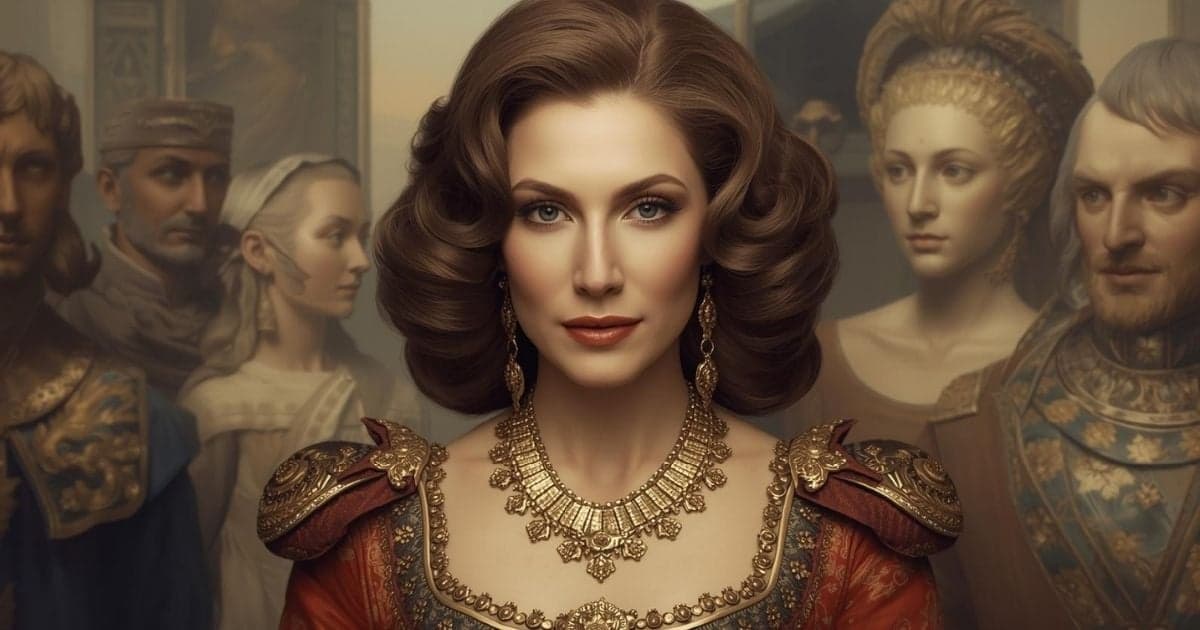
WHEREIN IS CONTINUED THE INSTRUCTION GIVEN TO DON QUIXOTE TOUCHING THE DISENCHANTMENT OF DULCINEA, TOGETHER WITH OTHER MARVELLOUS INCIDENTS They saw advancing towards them, to the sound of this pleasing music, what they call a triumphal car, drawn by six grey mules with white linen housings, on each of which was mounted a penitent, robed also in white, with a large lighted wax taper in his hand. The car was twice or, perhaps, three times as large as the former ones, and in front and on the sides stood twelve more penitents, all as white as snow and all with…
Public-domain chapter text, formatted for reading.
Master this chapter. Complete your experience
Purchase the complete book to access all chapters and support classic literature
Available in paperback, hardcover, and e-book formats
Now let's explore the literary elements.
Key Quotes & Analysis
"Three thousand and three hundred lashes lay, And that they smart and sting and hurt him well."
Context: Instruction for disenchanting Dulcinea
The castle turns Montesinos into a bodily price tag Sancho must accept.
In Today's Words:
Sancho must give himself three thousand three hundred stinging lashes The same dynamic turns up in offices, relationships, and public life today, wherever someone bends circumstances to fit a story they cannot put down The same dynamic turns up in offices, relationships, and public life today, wherever someone bends circumstances to fit a story they
"But I’ll take you, Don Clown stuffed with garlic,” said Don Quixote, “and tie you to a tree as naked as when your mother brought you forth,"
Context: After Sancho refuses the penance
The knight's tenderness becomes threatened violence when the joke demands flesh.
In Today's Words:
I'll tie you naked to a tree, Don Clown stuffed with garlic The same dynamic turns up in offices, relationships, and public life today, wherever someone bends circumstances to fit a story they cannot put down The same dynamic turns up in offices, relationships, and public life today, wherever someone bends circumstances to fit a
"Thou wretched squire, soul of a pitcher, heart of a cork tree"
Context: Pleading with Sancho to accept the lashes
Insult and beauty share the same breath in the staged disenchantment.
In Today's Words:
You wretched squire, soul of a pitcher, heart of a cork tree The same dynamic turns up in offices, relationships, and public life today, wherever someone bends circumstances to fit a story they cannot put down The same dynamic turns up in offices, relationships, and public life today, wherever someone bends circumstances to fit a
"if any of the lashes happen to be fly-flappers they are to count."
Context: Negotiating terms before accepting
Sancho turns absurd penance into contract law.
In Today's Words:
If any lashes happen to be fly-flappers, they count The same dynamic turns up in offices, relationships, and public life today, wherever someone bends circumstances to fit a story they cannot put down The same dynamic turns up in offices, relationships, and public life today, wherever someone bends circumstances to fit a story they cannot
Thematic Threads
When Disenchantment Has a Price
In This Chapter
A triumphal car advances to music, bearing penitents with tapers and a nymph beside Merlin, who rises as Death and recites how Dulcinea's enchantment can...
Development
This chapter pushes the pattern into visible action and consequence.
In Your Life:
You may recognize this pattern when stress removes the polite version of a situation.
Identity
In This Chapter
Characters defend who they are or who they pretend to be when challenged.
Development
Fantasy and reality collide around name, rank, and role.
In Your Life:
You might cling to a version of yourself that no longer matches your choices.
Class
In This Chapter
Rank, money, and reputation decide who is heard, protected, or punished.
Development
Social order shapes every rescue, betrayal, and humiliation here.
In Your Life:
You see this when status decides whose account of events becomes official.
You now have the context. Time to form your own thoughts.
Discussion Questions
This is not a test. Five prompts guide you through the chapter, from how it opens to how it closes, so you notice context and rhythm rather than facts to memorize. Sit with each question in your own words. When you see "One way to read it," treat it as a starting point, not the only answer.
- 1
When Merlin reveals himself as Death and declares Sancho must receive 3,300 lashes, what is Sancho's immediate response?
analysis • surfaceOne way to read it
Sancho flatly refuses, saying he'd rather stab himself three times than take three lashes, let alone three thousand. He declares 'abernuncio!' and questions what his backside has to do with enchantments.
- 2
Why does Cervantes have the duke and duchess find this elaborate deception more amusing than any reality could be?
analysis • mediumOne way to read it
Cervantes shows how the powerful create entertainment from others' suffering. The nobles prefer their crafted fiction to genuine experience, revealing how privilege can corrupt empathy and turn cruelty into sport.
- 3
Where do you see people today being asked to sacrifice themselves for someone else's problem or dream?
application • mediumOne way to read it
Workers taking pay cuts to save companies while executives keep bonuses, or family members expected to sacrifice careers to care for relatives while others contribute nothing but demands.
- 4
If you were pressured to harm yourself to solve a problem you didn't create, how would you respond?
application • deepOne way to read it
Like Sancho, I'd question why the burden falls on me and demand fair terms. Setting boundaries against manipulation, even from authority figures, protects both dignity and wellbeing.
- 5
What does Sancho's bargaining reveal about the difference between blind loyalty and thoughtful service?
reflection • deepOne way to read it
Sancho shows that true service involves negotiation, not submission. He'll help but on reasonable terms, proving that loyalty without self-respect becomes exploitation rather than devotion.
Critical Thinking Exercise
Name the When Disenchantment Has a Price Move
Re-read the chapter summary and write down where when disenchantment has a price first appears, who pays for it, and who benefits from keeping it going. Then write one sentence you could say to interrupt the pattern without shaming the person caught in it.
Consider:
- •Separate the person's worth from the pattern's cost
- •Notice who has power to stop or fuel the scene
- •Ask what truth would require someone to give up
Journaling Prompt
Write about a time when you saw when disenchantment has a price in your own life. What finally made the pattern impossible to ignore?
Coming Up Next...
Chapter 88: Sancho's Letter and the Distressed Duenna
The duke's majordomo played Merlin; the next day the duchess asks whether Sancho has begun his penance, and a distressed duenna arrives with stranger business still The majordomo who played Merlin prepares another joke as the duchess asks Sancho whether he has begun his lash penance; he says he gave himself five overnight with his hand, and she calls that slaps, not lashes, promising.