Wide Reads
Literature MattersLife IndexEducators
Sign in
Where to Begin
Don Quixote - The Wine-Skin Giant and Fatal Curiosity

Miguel de Cervantes Saavedra

Don Quixote

The Wine-Skin Giant and Fatal Curiosity

Home›Books›Don Quixote›Chapter 55
Previous
55 of 126
Next

Summary

The Wine-Skin Giant and Fatal Curiosity

Don Quixote by Miguel de Cervantes Saavedra

0:000:00
Listen to Next Chapter

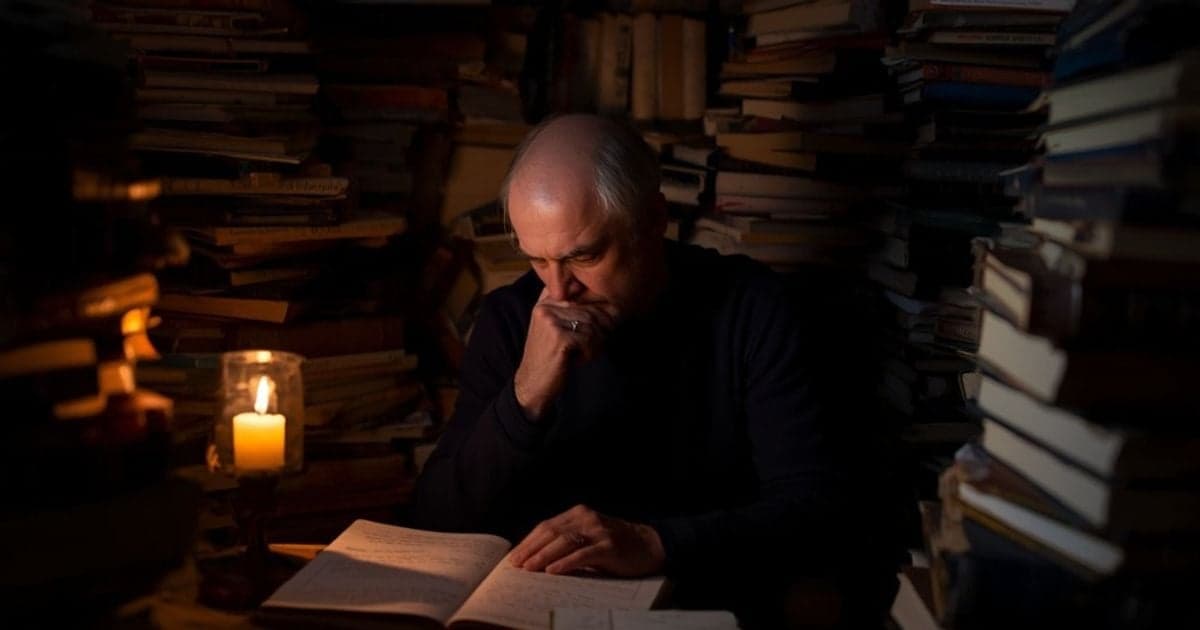
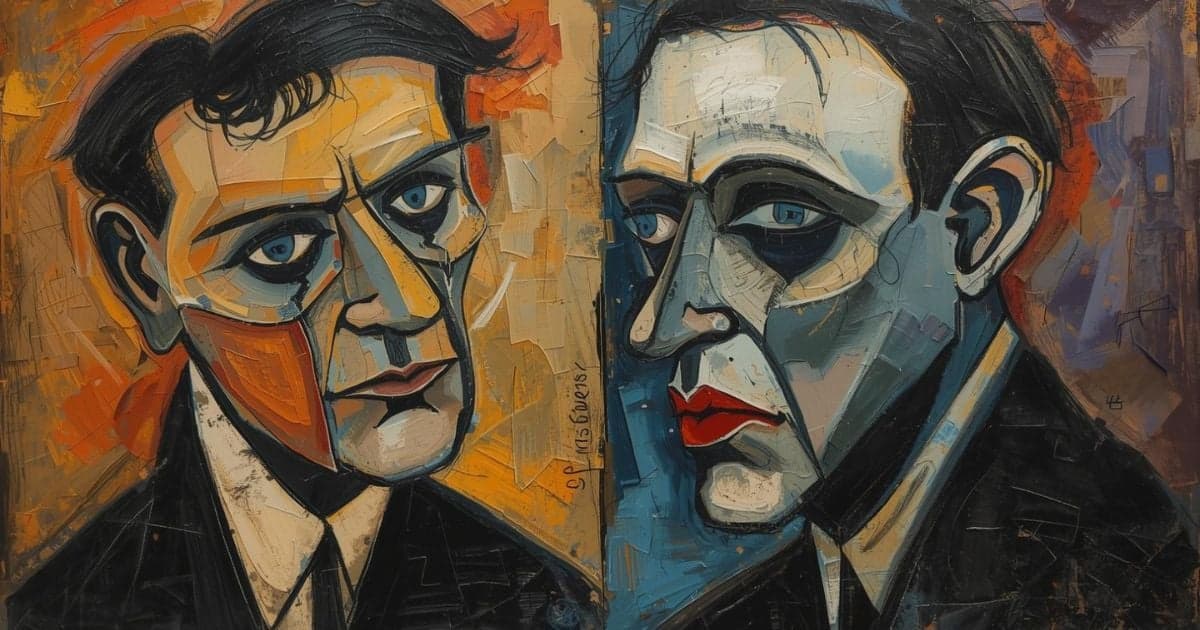
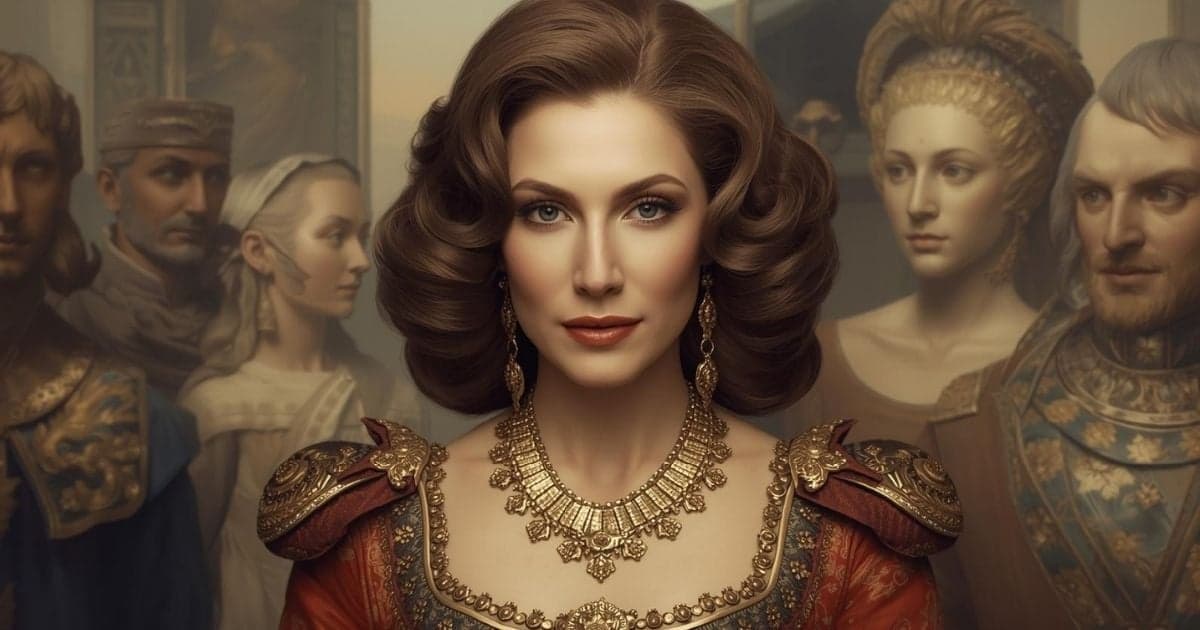
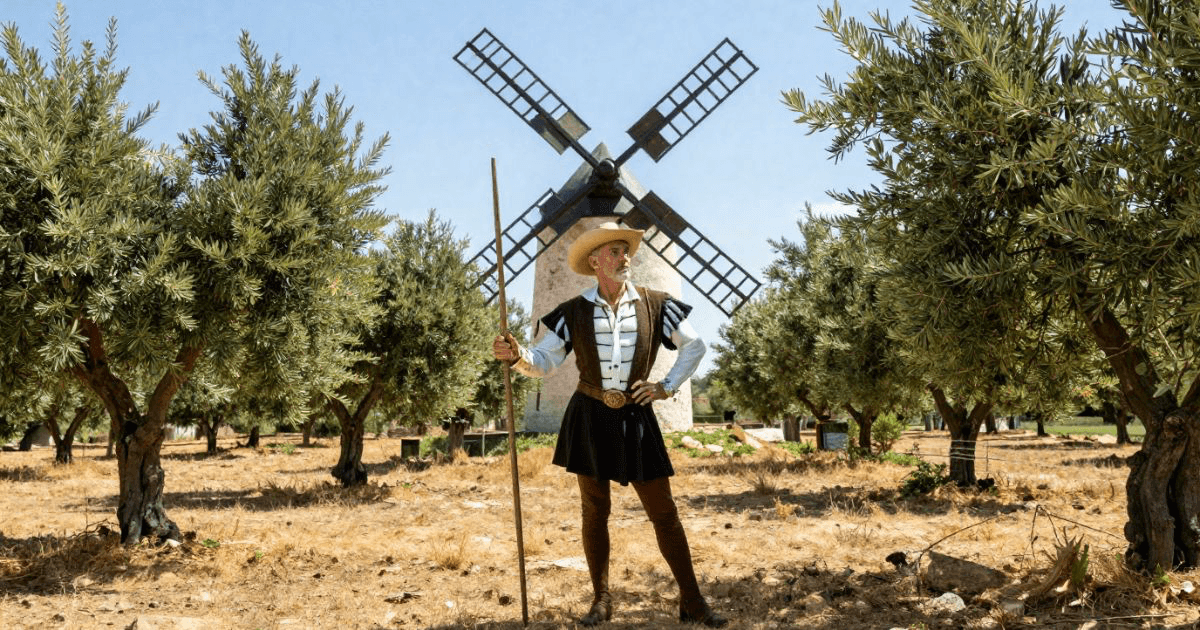
Don Quixote battles imaginary giants in his sleep, slashing wine skins while dreaming of heroic combat. His delusions are so vivid that Sancho believes the giant is real, searching frantically for its severed head while the innkeeper rages about his destroyed wine. This comic scene contrasts sharply with the tragic conclusion of 'The Ill-Advised Curiosity' tale. Anselmo's obsessive need to test his wife Camilla's faithfulness backfires spectacularly when his servant Leonela threatens to expose Camilla's affair with Lothario. Camilla flees to a convent, Lothario disappears, and Anselmo discovers his empty house and missing wife. Broken and alone, he writes a final letter acknowledging that he authored his own destruction by demanding impossible perfection. He dies from grief, Lothario perishes in battle, and Camilla wastes away in the convent. The parallel stories reveal how fantasy and obsession destroy lives—Don Quixote's harmless delusions contrast with Anselmo's deadly need for certainty. Both men create their own realities, but only one survives his illusions. The chapter explores themes of trust, jealousy, and the dangerous gap between what we imagine and what actually exists.

Coming Up in Chapter 56

New travelers arrive at the inn, promising fresh adventures and complications. The landlord hopes for paying customers after Don Quixote's expensive mishaps, but more surprises await the growing company of guests.

Share it with friends

Previous ChapterNext Chapter
GO ADS FREE — JOIN US
Original text
complete·3,032 words
O

F THE LAUGHABLE CONVERSATION THAT PASSED BETWEEN DON QUIXOTE, SANCHO PANZA, AND THE BACHELOR SAMSON CARRASCO Don Quixote remained very deep in thought, waiting for the bachelor Carrasco, from whom he was to hear how he himself had been put into a book as Sancho said; and he could not persuade himself that any such history could be in existence, for the blood of the enemies he had slain was not yet dry on the blade of his sword, and now they wanted to make out that his mighty achievements were going about in print. For all that, he fancied some sage, either a friend or an enemy, might, by the aid of magic, have given them to the press; if a friend, in order to magnify and exalt them above the most famous ever achieved by any knight-errant; if an enemy, to bring them to naught and degrade them below the meanest ever recorded of any low squire, though as he said to himself, the achievements of squires never were recorded. If, however, it were the fact that such a history were in existence, it must necessarily, being the story of a knight-errant, be grandiloquent, lofty, imposing, grand and true. With this he comforted himself somewhat, though it made him uncomfortable to think that the author was a Moor, judging by the title of “Cide;” and that no truth was to be looked for from Moors, as they are all impostors, cheats, and schemers. He was afraid he might have dealt with his love affairs in some indecorous fashion, that might tend to the discredit and prejudice of the purity of his lady Dulcinea del Toboso; he would have had him set forth the fidelity and respect he had always observed towards her, spurning queens, empresses, and damsels of all sorts, and keeping in check the impetuosity of his natural impulses. Absorbed and wrapped up in these and divers other cogitations, he was found by Sancho and Carrasco, whom Don Quixote received with great courtesy.

1 / 17

Master this chapter. Complete your experience

Purchase the complete book to access all chapters and support classic literature

Read Free on GutenbergBuy at Powell'sBuy on Amazon

As an Amazon Associate, we earn a small commission from qualifying purchases at no additional cost to you.

Available in paperback, hardcover, and e-book formats

GO ADS FREE — JOIN US

Why This Matters

Connect literature to life

Skill: Recognizing Self-Sabotage Patterns

This chapter teaches how to identify when our protective behaviors actually create the problems we're trying to prevent.

Practice This Today

This week, notice when you feel compelled to test or verify something that's already working—ask yourself if you're solving a real problem or creating one.

GO ADS FREE — JOIN US

Now let's explore the literary elements.

Key Quotes & Analysis

"Stand, thief, brigand, villain; now I have got thee, and thy scimitar shall not avail thee!"

— Don Quixote

Context: Shouted while attacking wine skins in his sleep, believing he's fighting a giant

Shows how completely Don Quixote's delusions have taken over his mind - even unconscious, he's living in his fantasy world. The heroic language contrasts comically with the reality of attacking wine containers.

In Today's Words:

Take that, you piece of garbage! Your fancy weapon won't save you now!

"I saw the blood flowing"

— Sancho Panza

Context: Describing what he thinks is the giant's blood, which is actually red wine

Demonstrates how Sancho gets pulled into his master's delusions, interpreting evidence to fit the fantasy rather than seeing the obvious truth.

In Today's Words:

I saw him bleeding out all over the place!

"He has given the giant such a slash that he has sliced his head clean off as if it were a turnip"

— Sancho Panza

Context: Excitedly reporting Don Quixote's 'victory' to the others at the inn

The vivid, specific imagery shows how completely Sancho believes in the fantasy. The turnip comparison makes the violence both comic and absurd.

In Today's Words:

He totally destroyed that guy - chopped his head right off like he was cutting vegetables!

Thematic Threads

Trust

In This Chapter

Anselmo's marriage crumbles because he cannot trust without testing, while Don Quixote trusts his delusions completely

Development

Evolved from earlier chapters about believing in ideals to examining the destructive side of misplaced trust

In Your Life:

You might find yourself checking up on people who have given you no reason to doubt them

Self-Destruction

In This Chapter

Anselmo authors his own tragedy by orchestrating the test that destroys his happiness

Development

Builds on previous themes of characters creating their own problems through misguided actions

In Your Life:

You might recognize times when your attempts to prevent problems actually caused them

Reality vs Fantasy

In This Chapter

Don Quixote battles wine skins believing they're giants, while Anselmo refuses to accept his wife's natural faithfulness

Development

Central theme throughout—both men prefer their constructed reality to accepting what actually exists

In Your Life:

You might catch yourself preferring dramatic explanations over simple, boring truths

Obsession

In This Chapter

Anselmo's fixation on proving Camilla's virtue becomes more important to him than actually enjoying their relationship

Development

Developed from Don Quixote's obsession with chivalry to show how fixations destroy what they claim to protect

In Your Life:

You might notice when your need to be right becomes more important than being happy

Consequences

In This Chapter

All characters face the results of their choices—death, exile, and broken relationships follow from their actions

Development

Consistent theme showing that actions have inevitable outcomes, whether comic or tragic

In Your Life:

You might see how your small daily choices compound into major life changes over time

GO ADS FREE — JOIN US

You now have the context. Time to form your own thoughts.

Discussion Questions

  1. 1

    What drives Anselmo to test his wife's faithfulness, and how does his plan backfire?

    analysis • surface
  2. 2

    Why does demanding proof of loyalty often destroy the very thing we're trying to protect?

    analysis • medium
  3. 3

    Where do you see people today testing relationships instead of trusting them - in families, workplaces, or friendships?

    application • medium
  4. 4

    How can you tell the difference between reasonable caution and destructive testing in your own relationships?

    application • deep
  5. 5

    What does Anselmo's story reveal about the human need for certainty versus the acceptance that love requires risk?

    reflection • deep

Critical Thinking Exercise

10 minutes

Map Your Testing Patterns

Think of a relationship where you've felt the urge to 'test' someone's loyalty, reliability, or commitment. Write down what you actually wanted to know versus what you were afraid of discovering. Then identify what you could do to invest in the relationship instead of investigating it.

Consider:

  • •Consider whether your need to test comes from their behavior or your own insecurity
  • •Think about how the other person might experience your 'tests'
  • •Reflect on whether you're solving a real problem or creating one

Journaling Prompt

Write about a time when someone tested your loyalty or trustworthiness. How did it feel, and what did it do to the relationship? What would you have preferred they do instead?

GO ADS FREE — JOIN US

Coming Up Next...

Chapter 56: When All Masks Fall Away

New travelers arrive at the inn, promising fresh adventures and complications. The landlord hopes for paying customers after Don Quixote's expensive mishaps, but more surprises await the growing company of guests.

Continue to Chapter 56
Previous
The Perfect Crime Unfolds
Contents
Next
When All Masks Fall Away

Continue Exploring

Don Quixote Study GuideTeaching ResourcesEssential Life IndexBrowse by ThemeAll Books
Identity & Self-DiscoveryMoral Dilemmas & EthicsLove & Relationships

You Might Also Like

Jane Eyre cover

Jane Eyre

Charlotte Brontë

Explores identity & self

Great Expectations cover

Great Expectations

Charles Dickens

Explores identity & self

The Strange Case of Dr Jekyll and Mr Hyde cover

The Strange Case of Dr Jekyll and Mr Hyde

Robert Louis Stevenson

Explores identity & self

The Odyssey cover

The Odyssey

Homer

Explores identity & self

Browse all 47+ books
GO ADS FREE — JOIN US

Share This Chapter

Know someone who'd enjoy this? Spread the wisdom!

TwitterFacebookLinkedInEmail

Read ad-free with Prestige

Get rid of ads, unlock study guides and downloads, and support free access for everyone.

Subscribe to PrestigeCreate free account
Intelligence Amplifier
Intelligence Amplifier™Powering Wide Reads

Exploring human-AI collaboration through books, essays, and philosophical dialogues. Classic literature transformed into navigational maps for modern life.

2025 Books

→ The Amplified Human Spirit→ The Alarming Rise of Stupidity Amplified→ San Francisco: The AI Capital of the World
Visit intelligenceamplifier.org
hello@widereads.com

WideReads Originals

→ You Are Not Lost→ The Last Chapter First→ The Lit of Love→ Wealth and Poverty→ 10 Paradoxes in the Classics · coming soon
Arvintech
arvintechAmplify your Mind
Visit at arvintech.com

Navigate

  • Home
  • Library
  • Essential Life Index
  • How It Works
  • Subscribe
  • Account
  • About
  • Contact
  • Authors
  • Suggest a Book
  • Landings

Made For You

  • Students
  • Educators
  • Families
  • Readers
  • Literary Analysis
  • Finding Purpose
  • Letting Go
  • Recovering from a Breakup
  • Corruption
  • Gaslighting in the Classics

Newsletter

Weekly insights from the classics. Amplify Your Mind.

Legal

  • Privacy Policy
  • Terms of Service
  • Cookie Policy
  • Accessibility

Why Public Domain?

We focus on public domain classics because these timeless works belong to everyone. No paywalls, no restrictions—just wisdom that has stood the test of centuries, freely accessible to all readers.

Public domain books have shaped humanity's understanding of love, justice, ambition, and the human condition. By amplifying these works, we help preserve and share literature that truly belongs to the world.

A Pilgrimage

Powell's City of Books

Portland, Oregon

If you ever find yourself in Portland, walk to the corner of Burnside and 10th. The building takes up an entire city block. Inside is over a million books, new and used on the same shelf, organized by color-coded rooms with names like the Rose Room and the Pearl Room. You can lose an afternoon. You can lose a weekend. You will find a book you have been looking for your whole life, and three you did not know existed.

It is a pilgrimage. We cannot find a bookstore like it anywhere on earth. If you read the classics, and you ever get the chance, go. It belongs on every reader's bucket list.

Visit powells.com

We are not in any way affiliated with Powell's. We are just a very big fan.

© 2026 Wide Reads™. All Rights Reserved.

Intelligence Amplifier™ and Wide Reads™ are proprietary trademarks of Arvin Lioanag.

Copyright Protection: All original content, analyses, discussion questions, pedagogical frameworks, and methodology are protected by U.S. and international copyright law. Unauthorized reproduction, distribution, web scraping, or use for AI training is strictly prohibited. See our Copyright Notice for details.

Disclaimer: The information provided on this website is for general informational and educational purposes only and does not constitute professional, legal, financial, or technical advice. While we strive to ensure accuracy and relevance, we make no warranties regarding completeness, reliability, or suitability. Any reliance on such information is at your own risk. We are not liable for any losses or damages arising from use of this site. By using this site, you agree to these terms.