Chapter 32
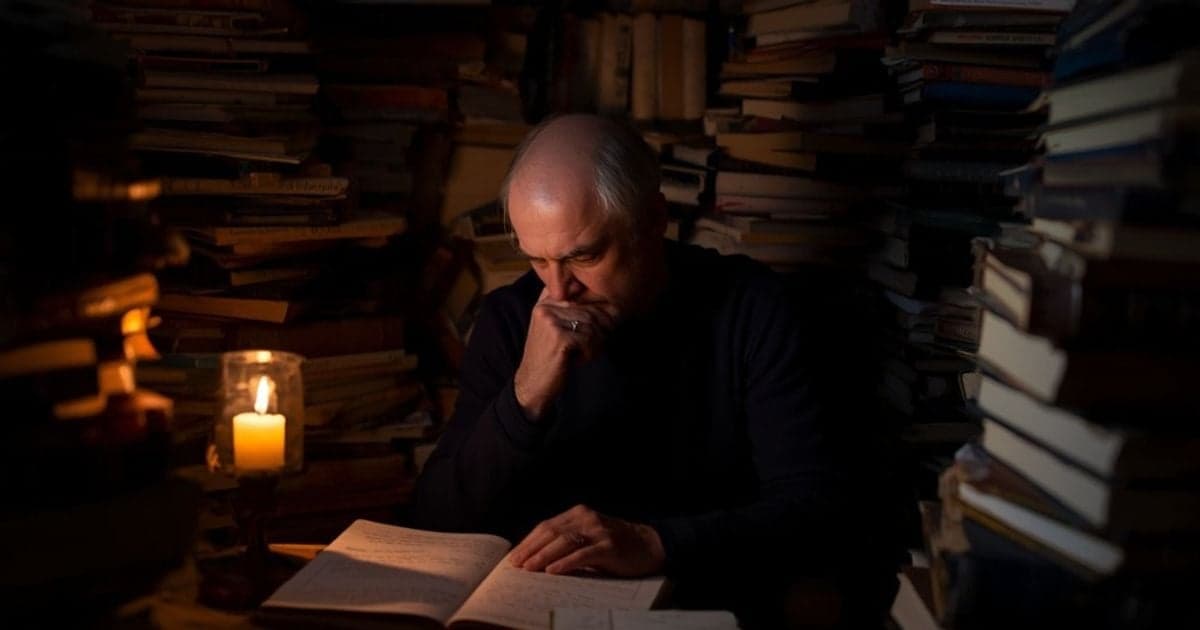
Back at the Inn: Books the Landlord Defends
WHICH TREATS OF WHAT BEFELL DON QUIXOTE’S PARTY AT THE INN Their dainty repast being finished, they saddled at once, and without any adventure worth mentioning they reached next day the inn, the object of Sancho Panza’s fear and dread; but though he would have rather not entered it, there was no help for it. The landlady, the landlord, their daughter, and Maritornes, when they saw Don Quixote and Sancho coming, went out to welcome them with signs of hearty satisfaction, which Don Quixote received with dignity and gravity, and bade them make up a better bed for him than…
Public-domain chapter text, formatted for reading.
Master this chapter. Complete your experience
Purchase the complete book to access all chapters and support classic literature

Available in paperback, hardcover, and e-book formats
Now let's explore the literary elements.
Key Quotes & Analysis
"you must give me back my tail, for it is a shame the way that thing of my husband’s goes tossing about on the floor;"
Context: After Quixote sleeps, she reclaims the tail the barber borrowed for the rescue disguise
The farce ends where it began. The inn wants its props back before the knight wakes.
In Today's Words:
Give me my tail back. Your fake beard is still lying on my floor The same dynamic turns up in offices, relationships, and public life today, wherever someone bends circumstances to fit a story they cannot put down The same dynamic turns up in offices, relationships, and public life today, wherever someone bends circumstances to
"stay listening to him with a delight that makes our grey hairs grow young again."
Context: Defending chivalry books against the curate's blame
He does not read for truth. He reads because the story makes ordinary life feel larger.
In Today's Words:
We listen for hours, and it makes us feel young again The same dynamic turns up in offices, relationships, and public life today, wherever someone bends circumstances to fit a story they cannot put down The same dynamic turns up in offices, relationships, and public life today, wherever someone bends circumstances to fit a story
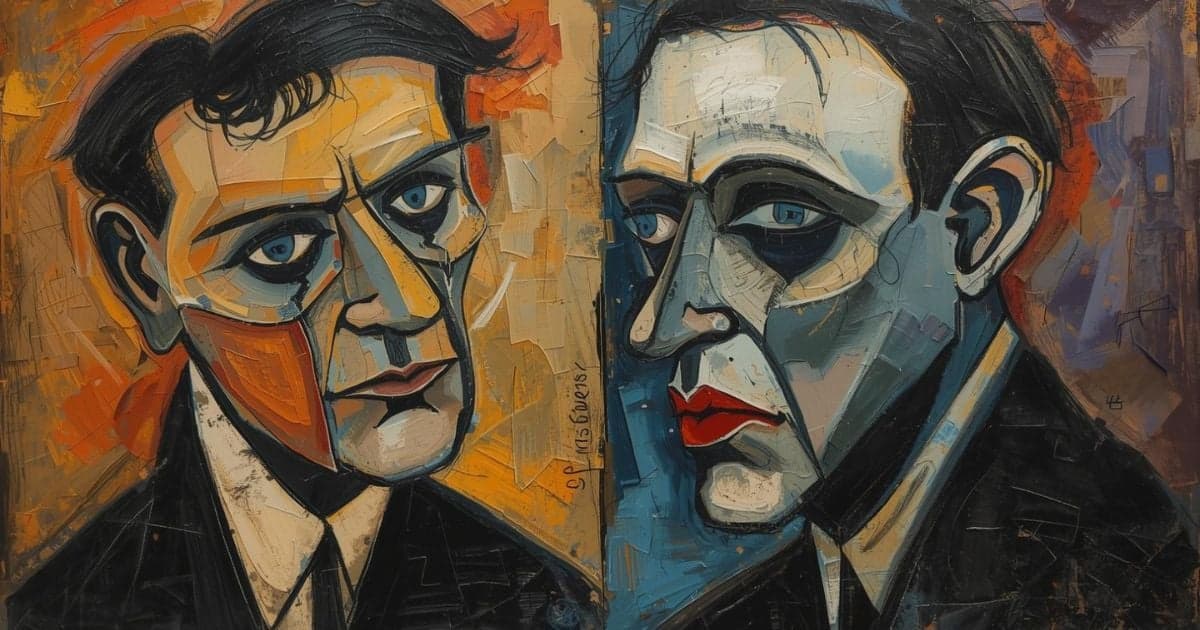
"Our landlord is almost fit to play a second part to Don Quixote."
Context: Whispered to Cardenio after the landlord defends Felixmarte's giants
Cervantes names the mirror. The sane host believes the books exactly as Quixote does.
In Today's Words:
This innkeeper could be Don Quixote's understudy The same dynamic turns up in offices, relationships, and public life today, wherever someone bends circumstances to fit a story they cannot put down The same dynamic turns up in offices, relationships, and public life today, wherever someone bends circumstances to fit a story they cannot put down.
"Try that bone on another dog,” said the landlord; “as if I did not know how many make five, and where my shoe pinches me;"
Context: Rejecting the curate's claim that chivalry knights never existed
He is not fooled. He chooses the fiction because it has Royal Council ink on it and harvest joy in it.
In Today's Words:
Don't insult me. I know when I'm being talked down to The same dynamic turns up in offices, relationships, and public life today, wherever someone bends circumstances to fit a story they cannot put down The same dynamic turns up in offices, relationships, and public life today, wherever someone bends circumstances to fit a story
Thematic Threads
Needing the Story to Be True
In This Chapter
The party reaches the inn Sancho dreads, and Quixote goes straight to the garret to sleep while the others drop the rescue disguises.
Development
This chapter pushes the pattern into visible action and consequence.
In Your Life:
You may recognize this pattern when stress removes the polite version of a situation.
Identity
In This Chapter
Characters defend who they are or who they pretend to be when challenged.
Development
Fantasy and reality collide around name, rank, and role.
In Your Life:
You might cling to a version of yourself that no longer matches your choices.
Class
In This Chapter
Rank, money, and reputation decide who is heard, protected, or punished.
Development
Social order shapes every rescue, betrayal, and humiliation here.
In Your Life:
You see this when status decides whose account of events becomes official.
You now have the context. Time to form your own thoughts.
Discussion Questions
This is not a test. Five prompts guide you through the chapter, from how it opens to how it closes, so you notice context and rhythm rather than facts to memorize. Sit with each question in your own words. When you see "One way to read it," treat it as a starting point, not the only answer.
- 1
When the landlord defends chivalry books by saying they make his 'grey hairs grow young again,' what does this reveal about his relationship to these stories?
analysis • surfaceOne way to read it
The landlord finds genuine rejuvenation in the tales, suggesting he needs them to escape the weariness of daily life at the inn.
- 2
Why does Cervantes have the curate cite the Royal Council's licensing while the landlord uses it to prove the stories are true?
analysis • mediumOne way to read it
Cervantes shows how the same authority can be interpreted oppositely, revealing how desperately people defend beliefs that sustain them.
- 3
Where do you see people today defending entertainment or beliefs by saying 'the authorities wouldn't allow lies to be published'?
application • mediumOne way to read it
Social media users often cite blue checkmarks, published books, or official-looking websites as proof, much like the landlord's faith in licensing.
- 4
If you discovered that stories central to your identity were considered foolish by educated people, how would you respond?
application • deepOne way to read it
Like the landlord, you might defend them fiercely or, like Sancho overhearing criticism, quietly question whether to continue believing.
- 5
What does the contrast between the curate's scholarly dismissal and the innkeeper's passionate defense suggest about different ways of needing stories?
reflection • deepOne way to read it
It reveals that stories serve both intellectual analysis and emotional sustenance, with neither approach fully capturing their human importance.
Critical Thinking Exercise
Name the Needing the Story to Be True Move
Re-read the chapter summary and write down where needing the story to be true first appears, who pays for it, and who benefits from keeping it going. Then write one sentence you could say to interrupt the pattern without shaming the person caught in it.
Consider:
- •Separate the person's worth from the pattern's cost
- •Notice who has power to stop or fuel the scene
- •Ask what truth would require someone to give up
Journaling Prompt
Write about a time when you saw needing the story to be true in your own life. What finally made the pattern impossible to ignore?
Coming Up Next...
Chapter 33: The Ill-Advised Curiosity Begins
In Florence, a rich and famous city of Italy in the province called Tuscany, there lived two gentlemen of wealth and quality, Anselmo and Lothario, such great friends that by way of distinction they were called by all that...