Chapter 23
Into the Sierra Morena
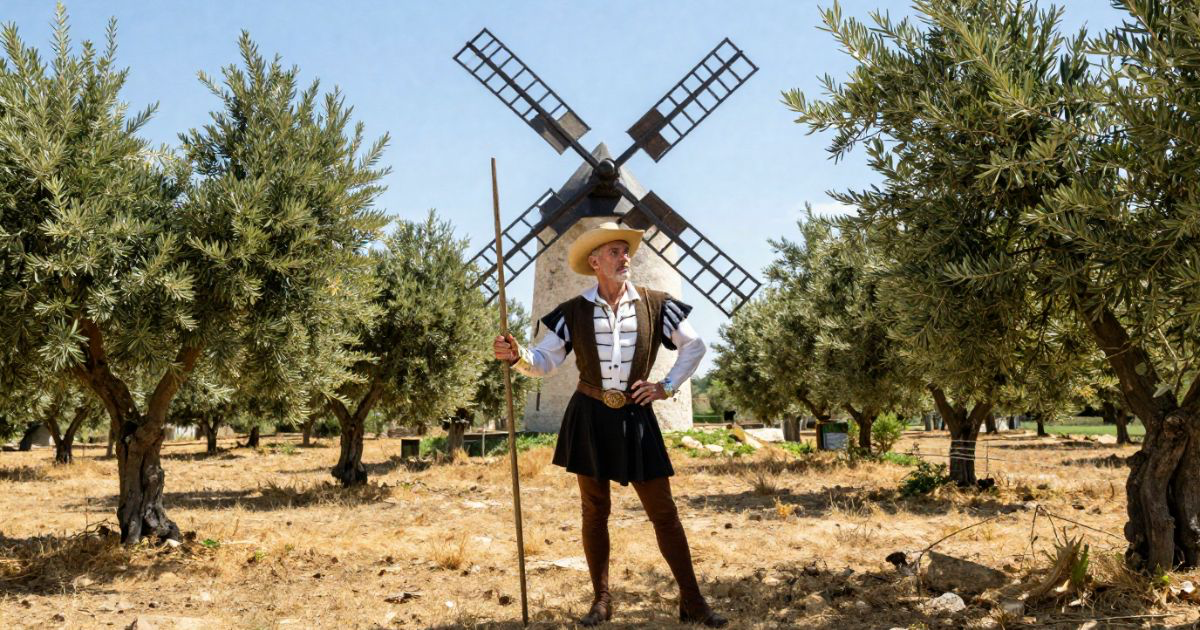
OF WHAT BEFELL DON QUIXOTE IN THE SIERRA MORENA, WHICH WAS ONE OF THE RAREST ADVENTURES RELATED IN THIS VERACIOUS HISTORY Seeing himself served in this way, Don Quixote said to his squire, “I have always heard it said, Sancho, that to do good to boors is to throw water into the sea. If I had believed thy words, I should have avoided this trouble; but it is done now, it is only to have patience and take warning for the future.” “Your worship will take warning as much as I am a Turk,” returned Sancho; “but, as you say…
Public-domain chapter text, formatted for reading.
Master this chapter. Complete your experience
Purchase the complete book to access all chapters and support classic literature
Available in paperback, hardcover, and e-book formats
Now let's explore the literary elements.
Key Quotes & Analysis
"to retire is not to flee, and there is no wisdom in waiting when danger outweighs hope, and it is the part of wise men to preserve themselves to-day for to-morrow,"
Context: Urging retreat from the Holy Brotherhood
Sancho reframes flight as wisdom while Quixote demands it not be called fear.
In Today's Words:
Retreating is not fleeing when danger outweighs hope The same dynamic turns up in offices, relationships, and public life today, wherever someone bends circumstances to fit a story they cannot put down The same dynamic turns up in offices, relationships, and public life today, wherever someone bends circumstances to fit a story they cannot put
"Blessed be all Heaven for sending us an adventure that is good for something!”"
Context: Finding gold in the abandoned valise
After bruises and theft, treasure finally feels like a real adventure.
In Today's Words:
Thank Heaven, an adventure that pays something The same dynamic turns up in offices, relationships, and public life today, wherever someone bends circumstances to fit a story they cannot put down The same dynamic turns up in offices, relationships, and public life today, wherever someone bends circumstances to fit a story they cannot put down.
"Oh faithless Fernando, here, here shalt thou pay the penalty of the wrong thou hast done me; these hands shall tear out that heart of thine, abode and dwelling of all iniquity, but of deceit and fraud above all;"
Context: During the mad fit
The Sierra holds a love wound violent enough to name Fernando in teeth and fists.
In Today's Words:
Faithless Fernando, here you will pay for what you did to me The same dynamic turns up in offices, relationships, and public life today, wherever someone bends circumstances to fit a story they cannot put down The same dynamic turns up in offices, relationships, and public life today, wherever someone bends circumstances to fit a
"he said what will be told farther on."
Context: Closing as the Ragged One speaks
The chapter stops where confession begins: Cardenio's story waits one page over.
In Today's Words:
He said what will be told next The same dynamic turns up in offices, relationships, and public life today, wherever someone bends circumstances to fit a story they cannot put down The same dynamic turns up in offices, relationships, and public life today, wherever someone bends circumstances to fit a story they cannot put down.
Thematic Threads
Paying for Mercy in the Mountains
In This Chapter
Every act of mercy can bill you twice: once on the road and again in the hills.
Development
This chapter pushes the pattern into visible action and consequence.
In Your Life:
You may recognize this pattern when stress removes the polite version of a situation.
Identity
In This Chapter
Characters defend who they are or who they pretend to be when challenged.
Development
Fantasy and reality collide around name, rank, and role.
In Your Life:
You might cling to a version of yourself that no longer matches your choices.
Class
In This Chapter
Rank, money, and reputation decide who is heard, protected, or punished.
Development
Social order shapes every rescue, betrayal, and humiliation here.
In Your Life:
You see this when status decides whose account of events becomes official.
You now have the context. Time to form your own thoughts.
Discussion Questions
This is not a test. Five prompts guide you through the chapter, from how it opens to how it closes, so you notice context and rhythm rather than facts to memorize. Sit with each question in your own words. When you see "One way to read it," treat it as a starting point, not the only answer.
- 1
Why does Don Quixote insist that Sancho never tell anyone he withdrew from danger out of fear?
analysis • surfaceOne way to read it
Don Quixote's knightly identity depends on appearing fearless. He'd rather be seen as following bad advice than admitting cowardice, even when retreating makes sense.
- 2
What makes Sancho's discovery of the gold crowns ironic given his recent losses?
analysis • mediumOne way to read it
Just after losing his beloved Dapple to theft, Sancho finds treasure. Cervantes shows how fortune swings wildly, making past sufferings feel worthwhile in hindsight.
- 3
Where do you see people today insisting they're not retreating when they clearly are?
application • mediumOne way to read it
Politicians calling defeats 'strategic repositioning,' or people claiming they're 'taking a break' from relationships instead of admitting breakups. Pride makes honest retreat difficult.
- 4
When have you had to choose between keeping found money and doing the right thing?
application • deepOne way to read it
Finding a wallet, getting too much change, or discovering someone's lost property tests our honesty when no one's watching. The choice reveals character more than consequences.
- 5
What does the ragged madman's penance reveal about how people handle romantic betrayal?
reflection • deepOne way to read it
The youth's self-imposed suffering shows how some people turn heartbreak into identity. His dramatic isolation mirrors how betrayal can make people retreat from all human connection.
Critical Thinking Exercise
Name the Paying for Mercy in the Mountains Move
Re-read the chapter summary and write down where paying for mercy in the mountains first appears, who pays for it, and who benefits from keeping it going. Then write one sentence you could say to interrupt the pattern without shaming the person caught in it.
Consider:
- •Separate the person's worth from the pattern's cost
- •Notice who has power to stop or fuel the scene
- •Ask what truth would require someone to give up
Journaling Prompt
Write about a time when you saw paying for mercy in the mountains in your own life. What finally made the pattern impossible to ignore?
Coming Up Next...
Chapter 24: Cardenio's Story Continues
The history relates that it was with the greatest attention Don Quixote listened to the ragged knight of the Sierra, who began by saying: “Of a surety, señor, whoever you are, for I know you not, I thank you....