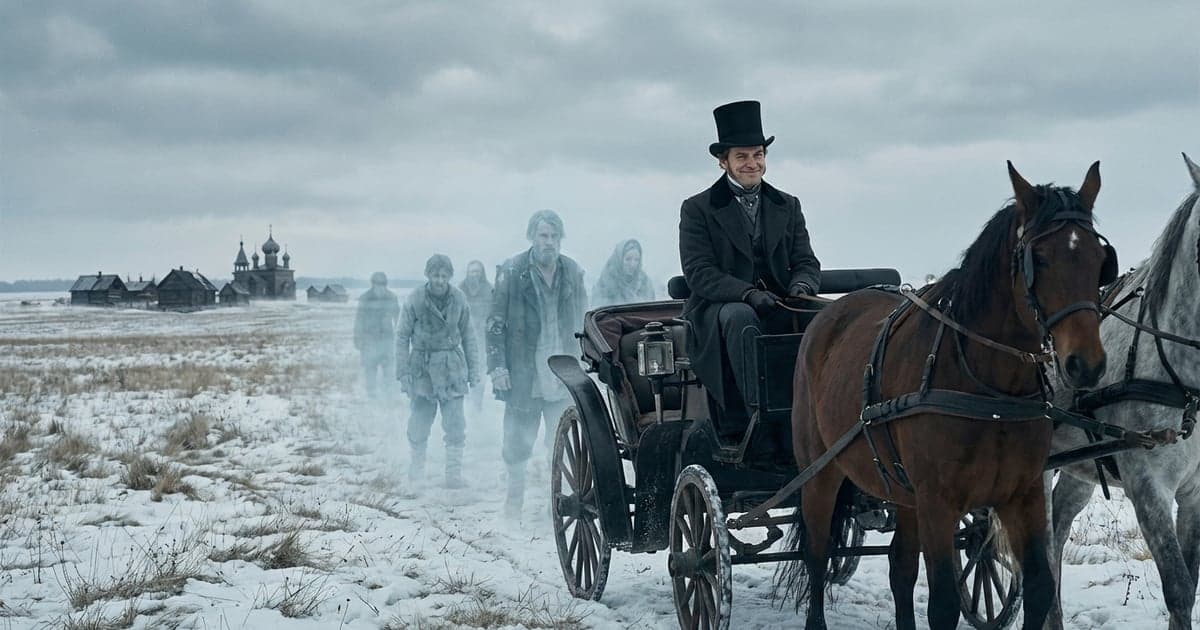
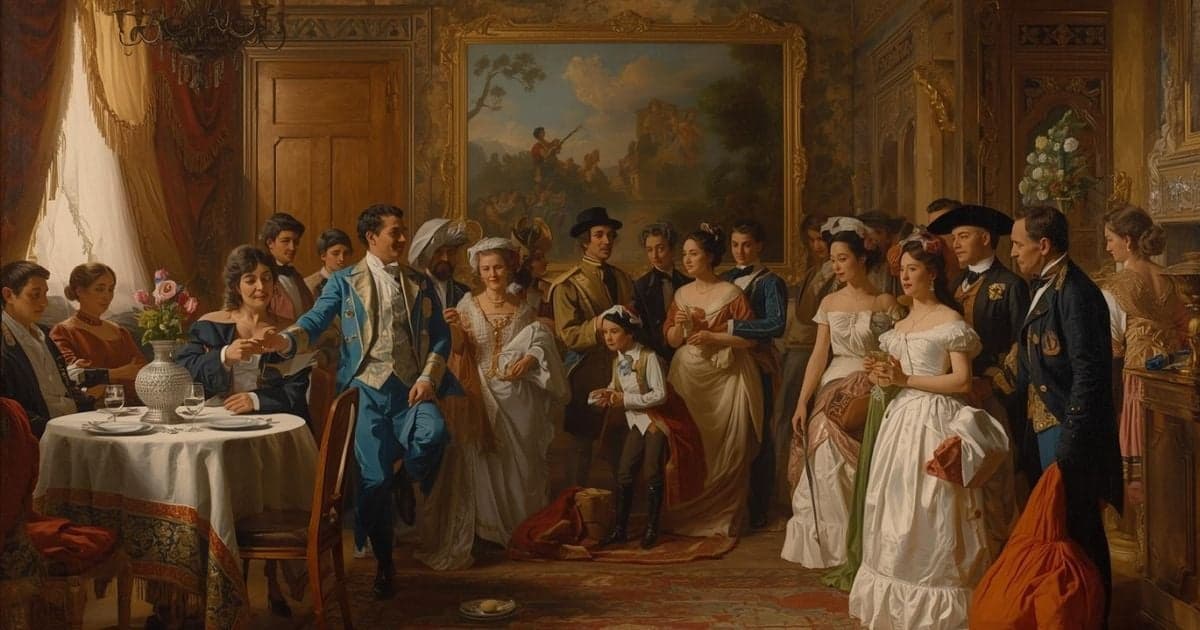
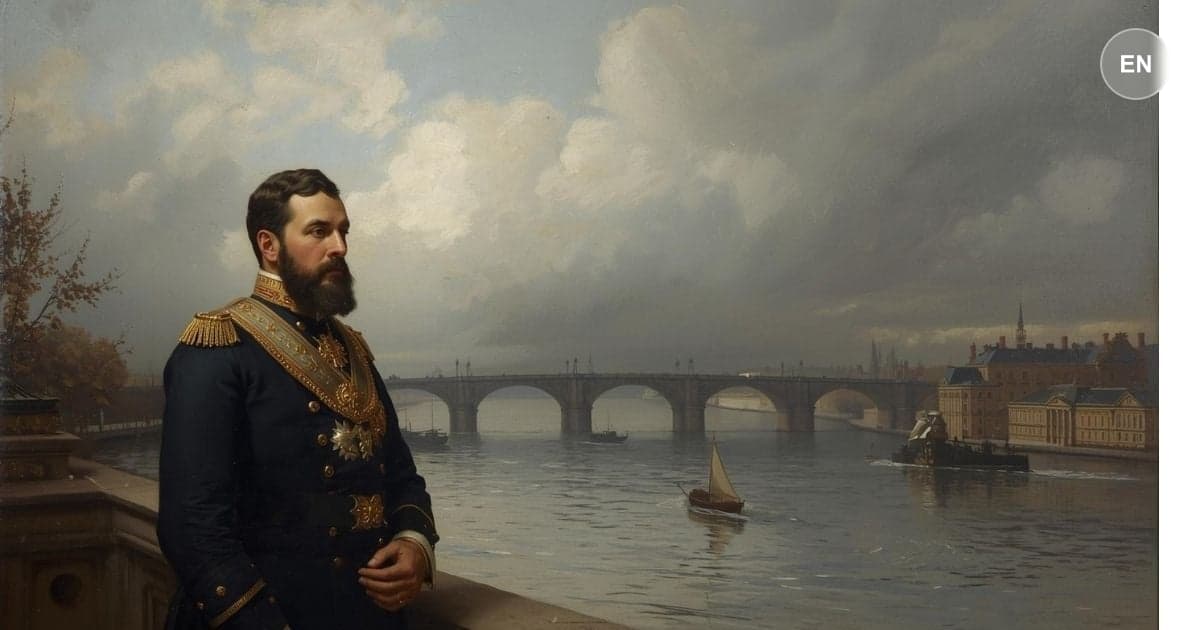
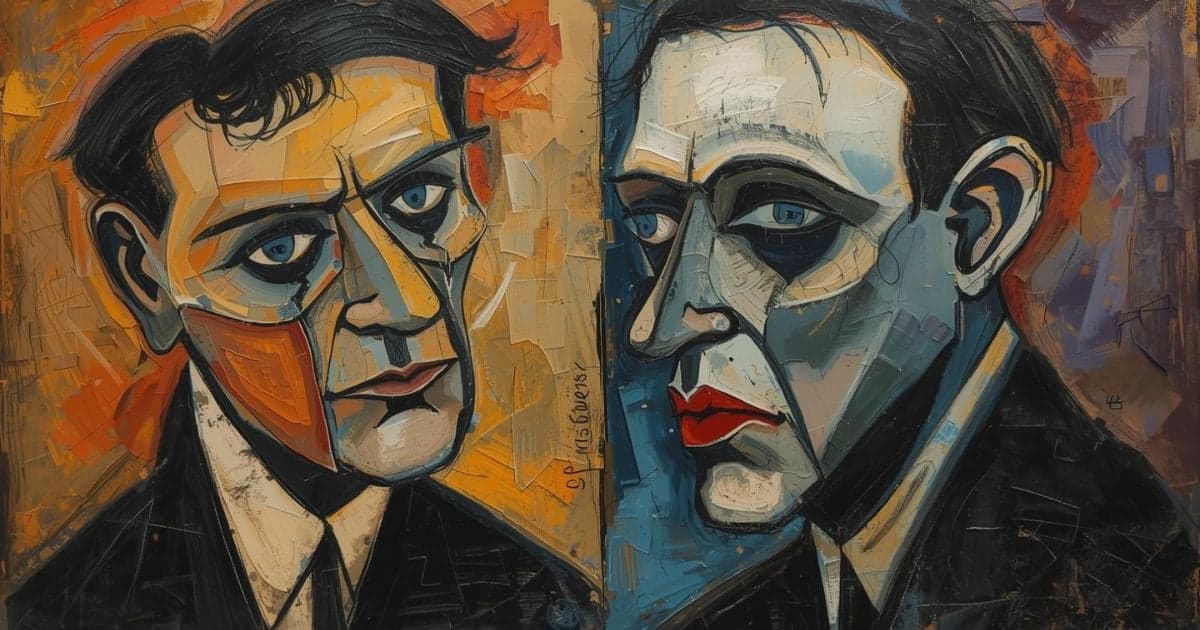
The last surviving fragment of Dead Souls begins where Gogol's manuscript will soon break off. Chichikov is in the highest spirits; forest gives way to swamp; the village looks deserted. Khlobuev meets them in drowsy dishevelment: crooked cravat, stained frockcoat, a boot with a hole he apologises for because mending costs money. He says swine cheat swine until trust dies. Chichikov continues his rounds. He visits Platon's brother Vassili, darker and more alive than Platon, in an old-fashioned house with lime trees and remarkable kvass. Visiting Lienitsin, he charms the wife by playing with their baby; the child ruins his frockcoat; Lienitsin sells dead souls as a favour between discreet men. In his cell Chichikov sobs, tears his coat, pulls his hair. Samosvitov offers exoneration for thirty thousand roubles; Chichikov shakes his hand; by evening his papers return. The Governor-General summons officials, appeals to conscience, orders reform; corrupt men vow improvement while protecting networks. The manuscript ends mid-sentence with asterisks and a note that the original stops abruptly. Khlobuev's boots and Lienitsin's land grab prove the province still runs on need and charm. Readers are left with a hero who might reform and a system that might not, the comic inferno incomplete, purgatory hinted but not delivered. Neighbours avoid him expecting loans; he is delighted anyone came. Kostanzhoglo's uncovenanted ten thousand roubles carries no interest, only faith that work can restore what extravagance devoured. Khlobuev agrees to sell; hope briefly outweighs habit. He mediates a dispute over festival ground seized by Lienitsin, a newcomer who fences custom as property.
Chichikov rides with Platon and Constantine Kostanzhoglo toward Khlobuev's estate. Kostanzhoglo offers an uncovenanted loan of ten thousand roubles at no interest to help buy the property, lecturing on what a capable manager could restore if he worked the land instead of copying Petersburg fads. He is delighted anyone came, since neighbours avoid him expecting loans. Kostanzhoglo outlines the purchase; Khlobuev agrees; the deal is arranged on terms that favour hope over his past. He mediates a dispute over festival ground seized by a newcomer named Lienitsin. Money accumulates; the tour seems to succeed. Then narrative jumps to catastrophe: arrest over a fraudulent will, a rich widow impersonated, documents flooding the Governor-General's office until secretaries near madness. Murazov, tax-farmer turned philanthropist, visits quietly and asks what men might become if they devoted to good ends the energy they spend on schemes. Chichikov receives new clothes and a second chance. Gogol's voice rises toward exhortation: nobility of thought, duty, country, a future looming dark. What survives shows Chichikov between repentance and habit, between Kostanzhoglo's loan and Samosvitov's bribe, between soil and paperwork. Murazov's question hangs unanswered because the author could not finish. The fragment's gaps are part of its meaning: Russia itself was mid-sentence when Gogol died. The ride through Platon's forest turns swampy; Khlobuev's village looks abandoned until the ruined master appears in crooked cravat and boots with holes he apologises for because mending costs money. Chichikov's tour continues at Vassili's old-fashioned house under lime trees, where kvass tastes better than Petersburg champagne. At Lienitsin's estate he charms the wife by playing with their baby; the child ruins his frockcoat while the husband sells dead souls as a favour between discreet men.
Money accumulates; the scheme seems to thrive beside the land purchase. Then the manuscript compresses catastrophe Gogol only sketched in full: arrest over a fraudulent will, a rich widow impersonated, false papers multiplying until the Governor-General's office drowns in ink and secretaries near madness. In his cell Chichikov sobs, tears his coat, pulls his hair, the performance of remorse as convincing as his earlier performances of virtue. Murazov, tax-farmer turned quiet philanthropist, visits and asks what men might become if they devoted to good ends the energy they spend on schemes. Samosvitov offers exoneration for thirty thousand roubles; Chichikov shakes his hand; by evening the papers return as if guilt were a bill negotiable in cash. The Governor-General summons officials, appeals to conscience, orders reform; corrupt men vow improvement while protecting networks. Chichikov receives new clothes and a second chance in public life, rebirth tailored by tailors rather than conscience. Gogol's authorial voice swells toward exhortation: nobility of thought, duty, country, a future looming dark. The text breaks mid-sentence with asterisks at "we can scarcely...." Gogol burned later volumes; editors note the abrupt stop. What survives shows Chichikov between repentance and habit, between Kostanzhoglo's loan and Samosvitov's bribe, between soil and the old dispatch box. Lienitsin's enclosure and Khlobuev's holey boots prove the province still runs on need, charm, and paper transactions side by side. Murazov's question about misdirected energy hangs unanswered; purgatory is hinted but not delivered. Readers inherit inferno complete and redemption interrupted, a hero who might reform in a system that might not, Russia itself mid-sentence when the author died.