Wide Reads
Literature MattersLife IndexEducators
Sign in
Where to Begin
Dead Souls - The Dreamer's Retreat

Nikolai Gogol

Dead Souls

The Dreamer's Retreat

Home›Books›Dead Souls›Chapter 12
Previous
12 of 15
Next

Summary

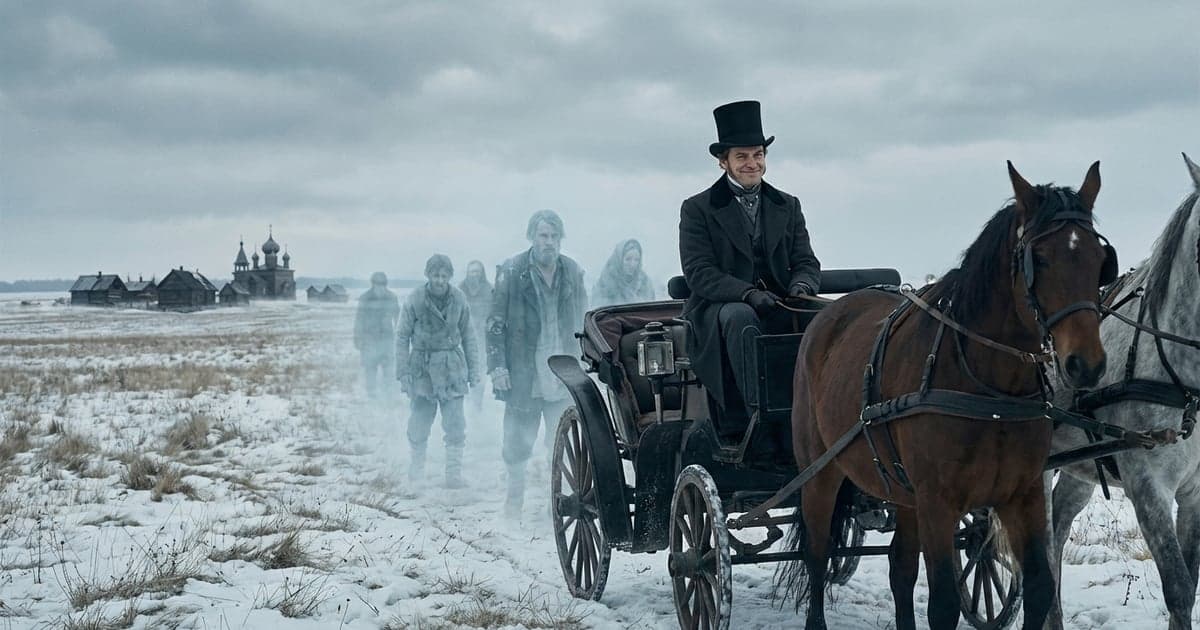
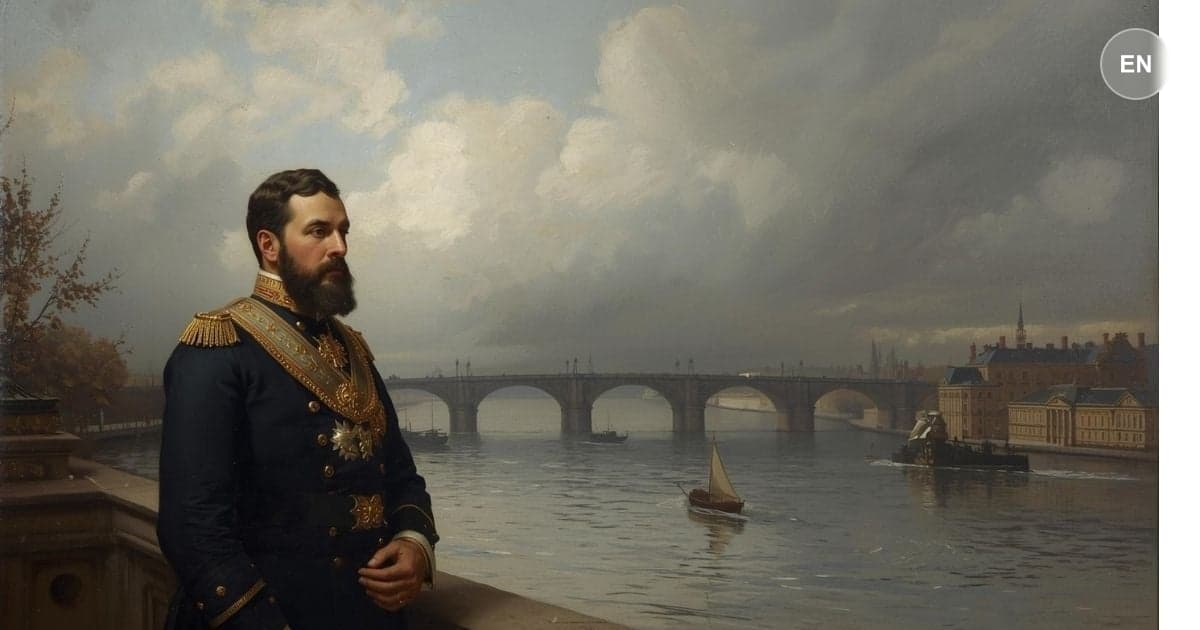
Volume Two opens with Gogol's direct address to his reader. Why does he paint poverty and imperfections, and delve into the remotest corners of Russia? Because, he explains, that is where his idiosyncrasy leads him. "But what a spot!" The spot in question is magnificent: a mountain fortress of limestone cliffs above a boundless plain, forests and meadows and a winding river, peasant huts and a church with gilded crosses that seem to hang without visible support in the air. A house sits at the summit. Viewed from either direction, it is extraordinary. The owner is Andrei Ivanovitch Tientietnikov, thirty-three years old, unmarried, and existing in a state of deliberate inactivity. He does nothing of consequence from morning to evening: smokes a pipe, drinks tea, stares out of windows. He was not always this way. Gogol traces his education: a school under the inspiring Professor Alexandr Petrovitch, who made his students see Russia herself as worth understanding and loving, who taught them to think and feel. When that professor died, he was replaced by pedants. Tientietnikov went into government service, full of good intentions. He found it a machine for producing forms, governed by a superior who favoured those who laughed at his jokes. One humiliation — ambiguous, possibly accidental — ended his career. He returned to his estate. He tried. He reduced the peasants' barstchina, supervised the harvest personally, established a school. The peasants were grateful and idle and played him at every turn. The manorial crops failed while the peasants' thrived. The women were intractable. The school produced nothing. He gave up and retreated to his pipe. Then Chichikov's britchka rumbles into the courtyard, having overturned on a bad road. He requests shelter for a day or two and stays for several weeks. Tientietnikov is glad of the company. Selifan makes friends with the servants; the horses approve of the oats. From the household staff, Chichikov learns that Tientietnikov was once on close terms with a neighbouring General and had apparently formed an attachment to the General's daughter, until some word or tone from the General ended it. Chichikov raises the subject of marriage three times over three evenings, with increasing directness. On the third occasion Tientietnikov explains the rupture. Chichikov listens, and concludes the offence was nothing. Tientietnikov disagrees. The next morning Chichikov borrows his host's koliaska and sets off to call on the General himself.

Coming Up in Chapter 13

Chichikov volunteers to visit the General himself, claiming he wants to pay his respects. But what is the wily schemer really planning? His mysterious interest in Tientietnikov's romantic troubles suggests another elaborate con may be brewing.

Share it with friends

Previous ChapterNext Chapter
GO ADS FREE — JOIN US
Original text
complete·12,306 words
W

hy do I so persistently paint the poverty, the imperfections of Russian life, and delve into the remotest depths, the most retired holes and corners, of our Empire for my subjects? The answer is that there is nothing else to be done when an author’s idiosyncrasy happens to incline him that way. So again we find ourselves in a retired spot. But what a spot!

1 / 60

Master this chapter. Complete your experience

Purchase the complete book to access all chapters and support classic literature

Read Free on GutenbergBuy at Powell'sBuy on Amazon

As an Amazon Associate, we earn a small commission from qualifying purchases at no additional cost to you.

Available in paperback, hardcover, and e-book formats

GO ADS FREE — JOIN US

Why This Matters

Connect literature to life

Skill: Detecting Noble Paralysis

This chapter teaches how to recognize when high standards become an excuse for doing nothing at all.

Practice This Today

This week, notice when you avoid taking imperfect action because it might compromise your ideals—then ask yourself if perfect inaction serves anyone better.

GO ADS FREE — JOIN US

Now let's explore the literary elements.

Key Quotes & Analysis

"Why do I so persistently paint the poverty, the imperfections of Russian life, and delve into the remotest depths, the most retired holes and corners, of our Empire for my subjects?"

— Narrator

Context: Gogol directly addresses readers about his choice to focus on flawed, isolated characters

This reveals Gogol's mission to expose uncomfortable truths about human nature and society rather than writing flattering portraits. He's defending his choice to show people's failures and weaknesses as more honest than heroic tales.

In Today's Words:

Why do I keep writing about losers and messed-up situations instead of success stories?

"He had been endowed by nature with a kindly disposition, a leaning towards introspection, and a tendency to view things in a serious light"

— Narrator

Context: Describing Tientietnikov's natural personality traits that led to his downfall

This shows how positive qualities can become weaknesses when taken to extremes. His kindness made him naive, his introspection became paralysis, and his seriousness turned into joyless perfectionism.

In Today's Words:

He was naturally a good guy who thought too much and took everything too seriously

"Gradually he had sunk into a state of mind in which he lay in bed until noon, and spent the rest of the day in a dressing-gown"

— Narrator

Context: Describing Tientietnikov's current state of complete lethargy and withdrawal

This perfectly captures clinical depression and learned helplessness. The specific detail of the dressing gown shows how he's given up on engaging with the outside world or maintaining any pretense of productivity.

In Today's Words:

He basically became a shut-in who stays in his pajamas all day

Thematic Threads

Class

In This Chapter

Tientietnikov's aristocratic education leaves him unprepared for practical management, creating a gulf between his theoretical knowledge and real-world effectiveness

Development

Continues the theme of class as performance versus substance, now showing how privilege can become a handicap

In Your Life:

You might see this when someone with advanced degrees struggles with basic workplace politics or when book knowledge doesn't translate to managing people.

Identity

In This Chapter

Tientietnikov's identity as a noble idealist becomes more important than actual achievement, trapping him in a self-image that prevents growth

Development

Develops earlier themes of false identity, showing how even positive self-concepts can become prisons

In Your Life:

This appears when you'd rather be right than effective, or when admitting you need to learn something threatens your sense of who you are.

Social Expectations

In This Chapter

The gap between Tientietnikov's expected role as enlightened landowner and his actual capabilities creates crushing pressure that leads to complete withdrawal

Development

Expands on how social roles can become burdens when they don't match real skills or circumstances

In Your Life:

You see this when family expectations about your career or lifestyle feel impossible to meet, leading to avoidance rather than honest conversation.

Personal Growth

In This Chapter

Tientietnikov's refusal to adapt or compromise prevents any real development, keeping him frozen at 33 with the emotional tools of a disappointed idealist

Development

Introduced here as the flip side of growth—how perfectionism can completely halt development

In Your Life:

This shows up when you avoid challenges because you might not excel immediately, or when fear of looking foolish prevents you from learning new skills.

Human Relationships

In This Chapter

Tientietnikov's pride destroys his romantic possibility and isolates him from his community, showing how perfectionism kills connection

Development

Continues the theme of how personal flaws sabotage relationships, here through excessive sensitivity rather than manipulation

In Your Life:

You might recognize this in cutting off friendships over small slights or avoiding dating because no one meets your impossible standards.

GO ADS FREE — JOIN US

You now have the context. Time to form your own thoughts.

Discussion Questions

  1. 1

    What specific events led Tientietnikov from being an ambitious young man to living alone in his dressing gown, avoiding all contact with the world?

    analysis • surface
  2. 2

    Why did Tientietnikov's attempts to help his peasants backfire, and what does this reveal about the gap between good intentions and practical skills?

    analysis • medium
  3. 3

    Where do you see people today withdrawing from situations where they could make a difference because the work seems beneath them or too messy?

    application • medium
  4. 4

    If you had a friend stuck in Tientietnikov's pattern of noble paralysis, what specific advice would you give them to break out of it?

    application • deep
  5. 5

    What does Tientietnikov's story teach us about the relationship between perfectionism, pride, and the ability to create real change in the world?

    reflection • deep

Critical Thinking Exercise

10 minutes

Break the Noble Paralysis Pattern

Think of an area in your life where you've avoided taking action because the situation seems too flawed or beneath your standards. Write down one imperfect action you could take this week that moves toward your values, even if it's not the ideal solution. Then identify what practical skill you'd need to learn to be more effective in this area.

Consider:

  • •Remember that influence requires engagement - you can't change anything from the sidelines
  • •Consider how your standards might be protecting your ego more than serving your values
  • •Think about people who share your values but have learned to work within imperfect systems

Journaling Prompt

Write about a time when you chose to withdraw from a situation rather than compromise your ideals. Looking back, was there a way to stay engaged while maintaining your core values? What would you do differently now?

GO ADS FREE — JOIN US

Coming Up Next...

Chapter 13: The General's Explosive Laughter

Chichikov volunteers to visit the General himself, claiming he wants to pay his respects. But what is the wily schemer really planning? His mysterious interest in Tientietnikov's romantic troubles suggests another elaborate con may be brewing.

Continue to Chapter 13
Previous
The Origin of a Scheme
Contents
Next
The General's Explosive Laughter

Continue Exploring

Dead Souls Study GuideTeaching ResourcesEssential Life IndexBrowse by ThemeAll Books

You Might Also Like

Jane Eyre cover

Jane Eyre

Charlotte Brontë

Explores personal growth

Great Expectations cover

Great Expectations

Charles Dickens

Explores personal growth

The Strange Case of Dr Jekyll and Mr Hyde cover

The Strange Case of Dr Jekyll and Mr Hyde

Robert Louis Stevenson

Explores personal growth

Don Quixote cover

Don Quixote

Miguel de Cervantes Saavedra

Explores personal growth

Browse all 47+ books
GO ADS FREE — JOIN US

Share This Chapter

Know someone who'd enjoy this? Spread the wisdom!

TwitterFacebookLinkedInEmail

Read ad-free with Prestige

Get rid of ads, unlock study guides and downloads, and support free access for everyone.

Subscribe to PrestigeCreate free account
Intelligence Amplifier
Intelligence Amplifier™Powering Wide Reads

Exploring human-AI collaboration through books, essays, and philosophical dialogues. Classic literature transformed into navigational maps for modern life.

2025 Books

→ The Amplified Human Spirit→ The Alarming Rise of Stupidity Amplified→ San Francisco: The AI Capital of the World
Visit intelligenceamplifier.org
hello@widereads.com

WideReads Originals

→ You Are Not Lost→ The Last Chapter First→ The Lit of Love→ Wealth and Poverty→ 10 Paradoxes in the Classics · coming soon
Arvintech
arvintechAmplify your Mind
Visit at arvintech.com

Navigate

  • Home
  • Library
  • Essential Life Index
  • How It Works
  • Subscribe
  • Account
  • About
  • Contact
  • Authors
  • Suggest a Book
  • Landings

Made For You

  • Students
  • Educators
  • Families
  • Readers
  • Literary Analysis
  • Finding Purpose
  • Letting Go
  • Recovering from a Breakup
  • Corruption
  • Gaslighting in the Classics

Newsletter

Weekly insights from the classics. Amplify Your Mind.

Legal

  • Privacy Policy
  • Terms of Service
  • Cookie Policy
  • Accessibility

Why Public Domain?

We focus on public domain classics because these timeless works belong to everyone. No paywalls, no restrictions—just wisdom that has stood the test of centuries, freely accessible to all readers.

Public domain books have shaped humanity's understanding of love, justice, ambition, and the human condition. By amplifying these works, we help preserve and share literature that truly belongs to the world.

A Pilgrimage

Powell's City of Books

Portland, Oregon

If you ever find yourself in Portland, walk to the corner of Burnside and 10th. The building takes up an entire city block. Inside is over a million books, new and used on the same shelf, organized by color-coded rooms with names like the Rose Room and the Pearl Room. You can lose an afternoon. You can lose a weekend. You will find a book you have been looking for your whole life, and three you did not know existed.

It is a pilgrimage. We cannot find a bookstore like it anywhere on earth. If you read the classics, and you ever get the chance, go. It belongs on every reader's bucket list.

Visit powells.com

We are not in any way affiliated with Powell's. We are just a very big fan.

© 2026 Wide Reads™. All Rights Reserved.

Intelligence Amplifier™ and Wide Reads™ are proprietary trademarks of Arvin Lioanag.

Copyright Protection: All original content, analyses, discussion questions, pedagogical frameworks, and methodology are protected by U.S. and international copyright law. Unauthorized reproduction, distribution, web scraping, or use for AI training is strictly prohibited. See our Copyright Notice for details.

Disclaimer: The information provided on this website is for general informational and educational purposes only and does not constitute professional, legal, financial, or technical advice. While we strive to ensure accuracy and relevance, we make no warranties regarding completeness, reliability, or suitability. Any reliance on such information is at your own risk. We are not liable for any losses or damages arising from use of this site. By using this site, you agree to these terms.