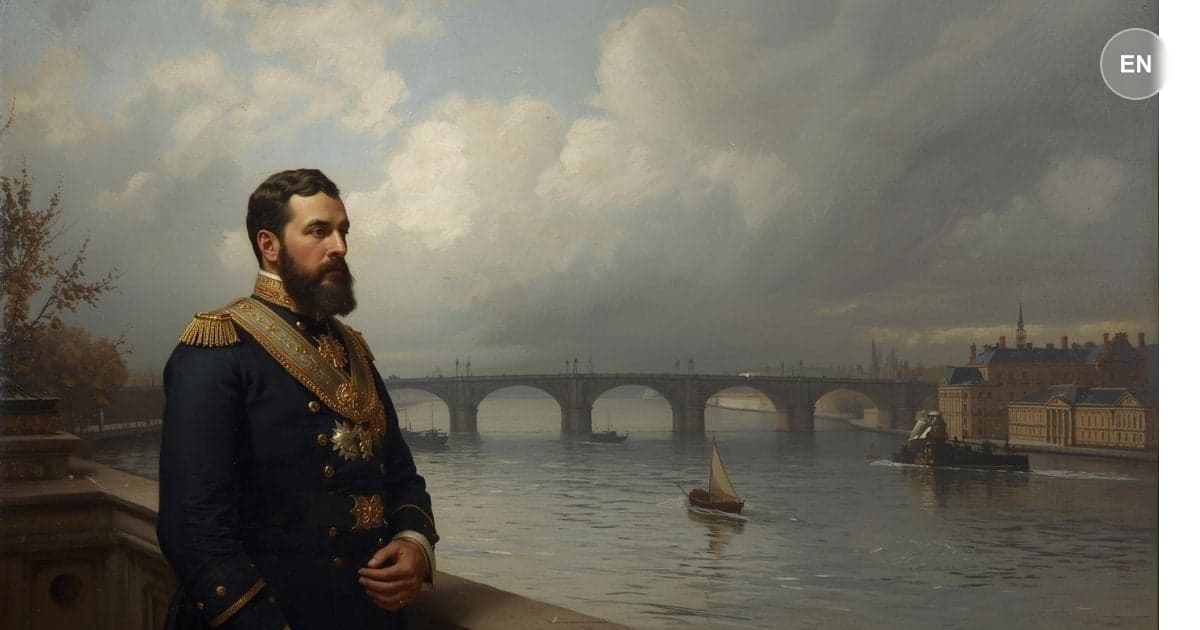
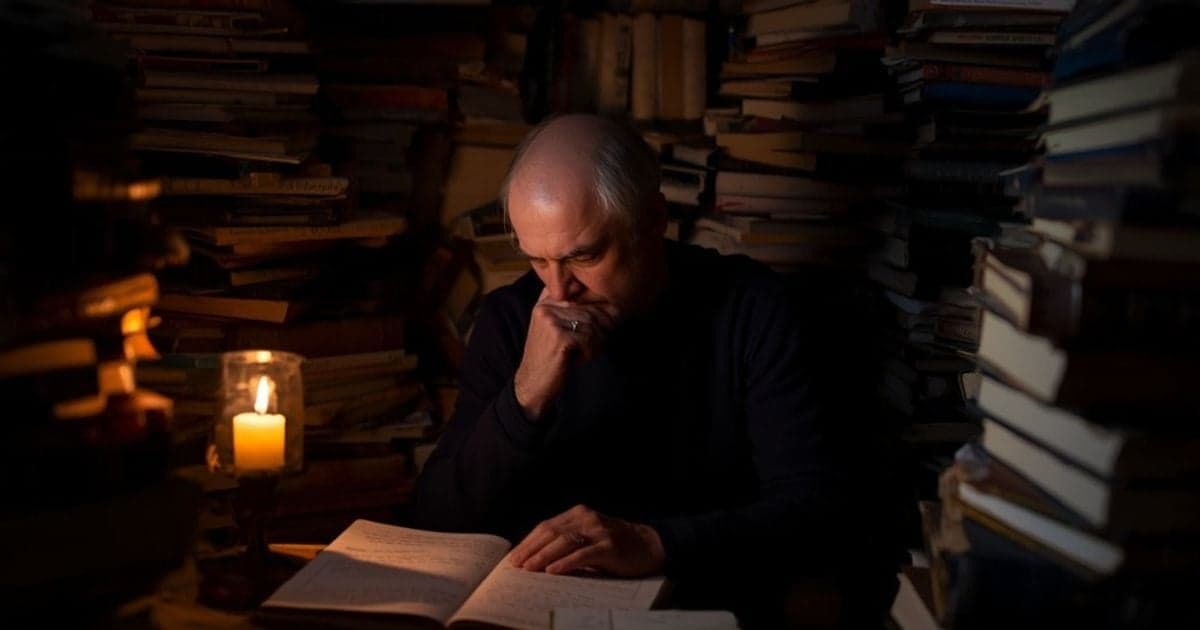
Raskolnikov goes straight to Sonia's room on the canal bank, late, saying he may not see her again though this is his first visit that night. He scans her barn-like poverty: Kapernaumov's stammering children, Katerina Ivanovna's feverish plans for a boarding school, the collars Sonia regretted giving, Lizaveta who sold them cheap. He knows from Marmeladov how Sonia knelt while Katerina raged. He paints eviction, consumption, street children, and Polenka's future in the Hay Market until Sonia sobs and insists God will not allow it. He asks if she saves money, if she can, knowing she cannot.
He kisses her foot, horrifying her, then says he bowed down to all the suffering of humanity, not to her. He tells her he called her not worth Luzhin's little finger yet made Dunya sit beside her. He calls her a great sinner for destroying herself for nothing, says depravity has not touched her heart, then almost urges her to drown herself until she asks what would become of the children. He probes her faith, sneers that perhaps there is no God at all, and watches her break. She answers: What should I be without God?
He finds Lizaveta's worn New Testament, learns Lizaveta brought it, and demands the raising of Lazarus though Sonia hesitates, afraid he does not believe. He insists as he once listened with Lizaveta. Sonia reads John eleven, voice breaking on Martha and Mary, swelling at Jesus wept, crying aloud through he that was dead came forth as though she sees the stone rolled away and unbelief struck down. In the flickering candle the murderer and the harlot have read the eternal book together. Five minutes pass in silence before he speaks again.
He says he has abandoned his family today, mother and sister, and has only her: they are both accursed, let us go the same road. He tells her she too has transgressed, that need alone drew him here, and speaks of freedom, power over trembling creation, break what must be broken once for all. His farewell: perhaps it is the last time I shall speak to you; tomorrow he may tell who killed Lizaveta. Sonia reels at those words while still grieving his misery; the idea he is the killer has not yet formed in her mind. Behind the wall Svidrigailov has stood listening from the empty adjoining room through Resslich's flat, then carries in a chair so he can hear comfortably next time without standing an hour.
The chapter is approach, not full confession: torment, scripture, deferred naming of the axe, and a hidden ear. The full axe speech still waits for the next meeting; tonight he prepares Sonia and himself by Gospel and threat.
Coming Up in Chapter 25
Raskolnikov will return to Sonia and speak the axe aloud at last, while the path to public confession and the crossroads she imagines draw nearer Next morning at eleven Raskolnikov enters the investigation office and waits ten uneasy minutes among indifferent clerks, wondering whether yesterday's phantom witness has spoken. Porfiry receives him alone, genial and restless, pocketing the pawn ticket, babbling about government quarters.