Chapter 89
After his morning reckoning, Vronsky feels secure because he lives ...
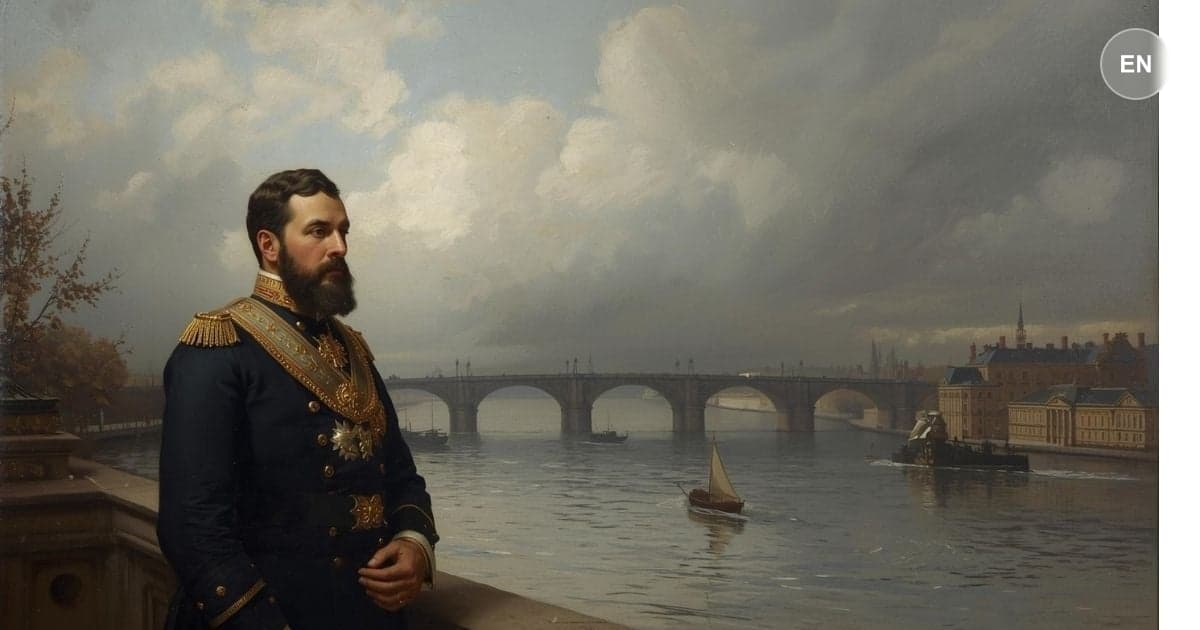
Vronsky’s life was particularly happy in that he had a code of principles, which defined with unfailing certitude what he ought and what he ought not to do. This code of principles covered only a very small circle of contingencies, but then the principles were never doubtful, and Vronsky, as he never went outside that circle, had never had a moment’s hesitation about doing what he ought to do. These principles laid down as invariable rules: that one must pay a cardsharper, but need not pay a tailor; that one must never tell a lie to a man, but one…
Public-domain chapter text, formatted for reading.
Master this chapter. Complete your experience
Purchase the complete book to access all chapters and support classic literature

Available in paperback, hardcover, and e-book formats
Now let's explore the literary elements.
Key Quotes & Analysis
"These principles laid down as invariable rules: that one must pay a cardsharper, but need not pay a tailor; that one must never tell a lie to a man, but one may to a woman; that one must never cheat anyone, but one may a husband; that one must never pardon an insult, but one may give one and so on."
Context: Tolstoy lists the famous rules of Vronsky's private morality
The code is not ethics but social arithmetic dressed as honor. Certainty replaces conscience, which is why Vronsky can feel peaceful while behaving unjustly to everyone outside his circle.
In Today's Words:
His rules sound like honor until you list them: pay gambling debts, stiff tradesmen, lie to women, cheat husbands, answer insults with insults. That is not a moral system; it is a class playbook that always lands on his side. People still use codes like this when they want to feel righteous without examining who gets hurt.
"Only quite lately in regard to his relations with Anna, Vronsky had begun to feel that his code of principles did not fully cover all possible contingencies, and to foresee in the future difficulties and perplexities for which he could find no guiding clue."
Context: Anna's affair has begun to exceed Vronsky's narrow moral map
The crack in the system is not guilt but missing instructions. He is frightened because Anna introduces situations his rules never anticipated, not because he judges himself wrong.
In Today's Words:
He is not troubled because he loves Anna; he is troubled because she creates cases his rulebook never wrote. That is how rigid codes fail: not with sudden virtue, but with a problem that has no preapproved answer. Many people discover their principles were only routines once real stakes arrive.
"If I retire, I burn my ships. If I remain in the army, I lose nothing. She said herself she did not wish to change her position."
Context: He weighs leaving the service against taking Anna away
He turns Anna's reluctance into permission and frames staying in the army as risk-free. The logic protects ambition while sounding like respect for her wishes.
In Today's Words:
He hears her say she does not want to upend her life and treats that as a license to keep his career untouched. Staying enlisted becomes the safe choice, leaving becomes the dramatic sacrifice he can postpone. It is a common move: borrow someone else's caution to avoid your own decision.
"Everything was straight and clear, just as after former days of reckoning. He shaved, took a cold bath, dressed and went out."
Context: Vronsky ends the chapter restored to confidence after mental accounting
Clarity here means he has talked himself into a position, not that he has solved Anna's pregnancy or his finances. The bath and shave ritual mark moral bookkeeping finished, problems deferred.
In Today's Words:
Once he names his choices, calm returns the way it does after balancing accounts, even when the underlying debt is still there. The shower and clean clothes are almost comic: he dresses for the world as if thinking hard were the same as doing right. Confidence after rationalization is not the same as resolution.
Thematic Threads
Honor as arithmetic
In This Chapter
Vronsky's principles are consistent but not good: they tell him whom to pay, whom to deceive, and whom to duel.
Development
Tolstoy shows that aristocratic honor can be a calculator, not a conscience.
In Your Life:
Ask whether your rules protect people or only protect your comfort.
Love versus ambition
In This Chapter
Serpuhovskoy's rise reawakens the career hunger Vronsky hides even from himself.
Development
The affair gave him distinction for a while, but rank and command still pull.
In Your Life:
Notice when a relationship becomes the story you tell yourself for not pursuing a goal you still want.
Clarity without change
In This Chapter
After mental reckoning Vronsky feels straight and clear though Anna's pregnancy and his debts remain.
Development
Reckoning here means rationalization, not reform.
In Your Life:
Distinguish the relief of having a position from the work of living up to it.
You now have the context. Time to form your own thoughts.
Discussion Questions
This is not a test. Five prompts guide you through the chapter, from how it opens to how it closes, so you notice context and rhythm rather than facts to memorize. Sit with each question in your own words. When you see "One way to read it," treat it as a starting point, not the only answer.
- 1
What does Vronsky's list of principles reveal about his idea of honor?
analysis • surfaceOne way to read it
The rules are consistent but class-biased: gambling debts are sacred, tradesmen can wait, women and husbands are exceptions. Honor means certainty for him, not fairness for everyone.
- 2
Why does Anna's pregnancy unsettle Vronsky more than his affair with her did before?
analysis • mediumOne way to read it
Pregnancy demands money, possible retirement, and union. Those contingencies are not covered by his code, so he fears perplexities rather than feeling simple guilt.
- 3
Where have you seen someone use another person's caution as permission to avoid a hard choice?
application • mediumOne way to read it
Vronsky cites Anna's wish not to change her position to justify staying in the army. That mirrors situations where a partner's reluctance becomes an excuse not to commit.
- 4
How does Serpuhovskoy's return change the balance between love and ambition in Vronsky's mind?
application • deepOne way to read it
Serpuhovskoy proves a career can advance fast from the same starting point. Vronsky tells himself he does not envy him, but the rivalry makes remaining in service look like keeping ships unburned.
- 5
Why does the chapter end with Vronsky feeling clear even though the underlying problems remain?
reflection • deepOne way to read it
He has finished a mental reckoning, not a moral or practical solution. Clarity here is the relief of rationalization, similar to feeling clean after organizing debts without paying them all.
Critical Thinking Exercise
Inventory Your Nonnegotiables
Write down five rules you live by when stressed. For each, note who benefits when you obey it and what situation would break the rule. Compare whether your rules expand when stakes rise or whether you reinterpret facts to keep the old rules winning.
Consider:
- •Notice if your rules are narrow on purpose because narrow rules are easier to follow
- •Ask what a new stake like money, pregnancy, or promotion would demand that the code never mentions
- •Separate the feeling of clarity after thinking from evidence that anything changed
Journaling Prompt
Write about a time you felt morally clear after talking yourself into the cheaper version of the right choice. What did you call honor, and what did you avoid paying?
Coming Up Next...
Chapter 90
Petritsky comes to fetch Vronsky after his financial reckoning, and a note from Princess Tverskaya will shatter the calm he has just restored. Petritsky finds Vronsky still glowing from his reckoning. The lessive is over, affairs are in order, and Vronsky moves carefully, as if any sudden gesture might upset the balance he has just achieved.