

Chapter 52
Vronsky's inner life belongs to Anna, but outwardly nothing changes...
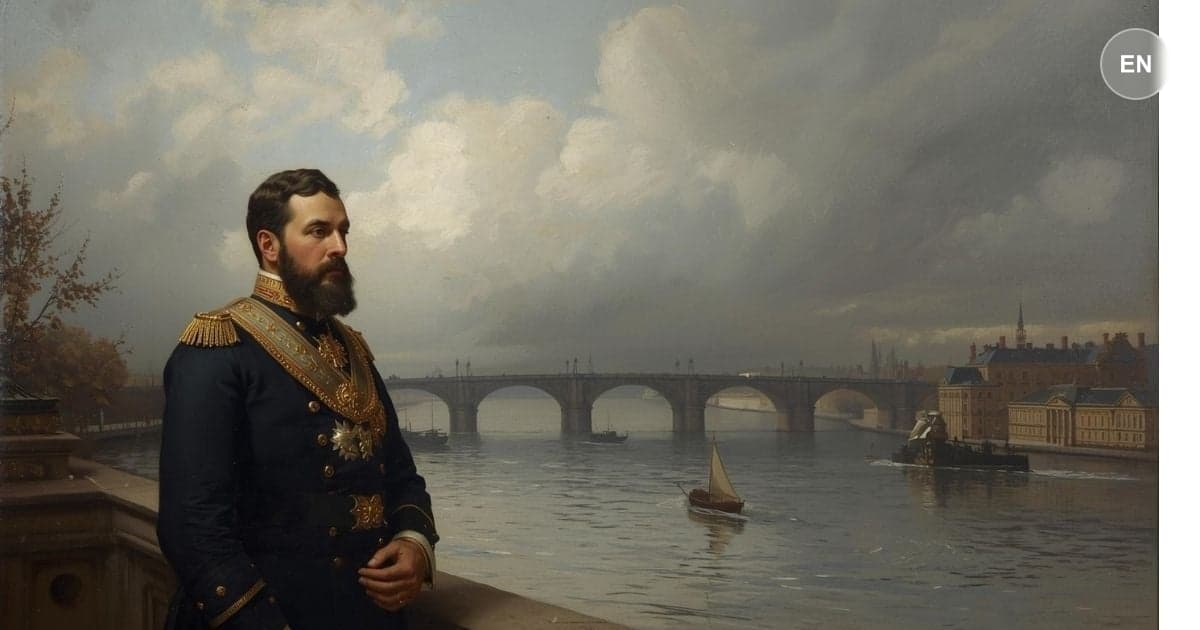
Although all Vronsky’s inner life was absorbed in his passion, his external life unalterably and inevitably followed along the old accustomed lines of his social and regimental ties and interests. The interests of his regiment took an important place in Vronsky’s life, both because he was fond of the regiment, and because the regiment was fond of him. They were not only fond of Vronsky in his regiment, they respected him too, and were proud of him; proud that this man, with his immense wealth, his brilliant education and abilities, and the path open before him to every kind of…
Public-domain chapter text, formatted for reading.
Critical Thinking Exercise
Design Your Reset Toolkit
Create a personal emergency kit of physical activities you can use when your mind won't stop racing. List 5-7 activities that require your hands and focus - from household tasks to hobbies to exercise. Next to each activity, note how long it takes and what supplies you need. Test one activity this week when you feel overwhelmed.
Consider:
- •Choose activities you can start immediately without special equipment or preparation
- •Include both quick options (5-10 minutes) and longer ones (30+ minutes) for different situations
- •Consider activities that produce visible results - clean spaces, organized drawers, completed projects
Journaling Prompt
Write about a time when keeping your hands busy helped you work through a difficult emotion or situation. What did the physical activity teach you that thinking alone couldn't?
Master this chapter. Complete your experience
Purchase the complete book to access all chapters and support classic literature

Available in paperback, hardcover, and e-book formats
You Might Also Like



Lessons from Anna Karenina
Theme-by-theme analyses that connect this book to modern life skills.
Balancing Passion and Responsibility
Follow Seryozha's birthday visit, Karenin's public face, and the divorce that never arrives, and count what desire costs other people.
6 chapters·Explore AnalysisFinding Authentic Meaning
Walk the mowing with Levin, then sit through Kitty's imperfect household, and see a life that does not need an audience.
6 chapters·Explore AnalysisManaging Jealousy
Stay with Anna as late trains and distracted looks become evidence, until she creates the distance she is trying to prevent.
6 chapters·Explore AnalysisRecognizing Consuming Passion
Watch the ball, the broken mare, and the opera box, and see how a feeling that promised more life starts eating every other room in it.
6 chapters·Explore AnalysisSurviving Social Judgment
Enter the opera box with Anna after the return from Italy, when the salon has already decided she is finished.
6 chapters·Explore AnalysisUnderstanding Social Double Standards
Put Stiva's forgiven letter next to Anna's exile, and watch Vronsky keep his invitations while she loses the room.
6 chapters·Explore Analysis
Deep diving the literary elements.