Chapter 03
The Walking Stick and Social Judgment
Mrs. Adams had remained in Alice's room, but her mood seemed to have changed, during her daughter's little more than momentary absence. “What did he SAY?” she asked, quickly, and her tone was hopeful. “'Say?'” Alice repeated, impatiently. “Why, nothing. I didn't let him. Really, mama, I think the best thing for you to do would be to just keep out of his room, because I don't believe you can go in there and not talk to him about it, and if you do talk we'll never get him to do the right thing. Never!” The mother's response was a…
Public-domain chapter text, formatted for reading.
Master this chapter. Complete your experience
Purchase the complete book to access all chapters and support classic literature
Available in paperback, hardcover, and e-book formats
Now let's explore the literary elements.
Key Quotes & Analysis
"if you do talk we'll never get him to do the right thing. Never!"
Context: Telling Mrs. Adams to avoid pressing her father about changing jobs
Alice positions herself as strategist, certain that blunt talk will harden his resistance.
In Today's Words:
She warns her mother that one more lecture will ruin their chance to move him. Families often treat persuasion like a single-use tool, forgetting that every member may be pushing the same lever with a different grip. The same pattern shows up wherever people confuse performance with belonging or let fear of exposure keep a
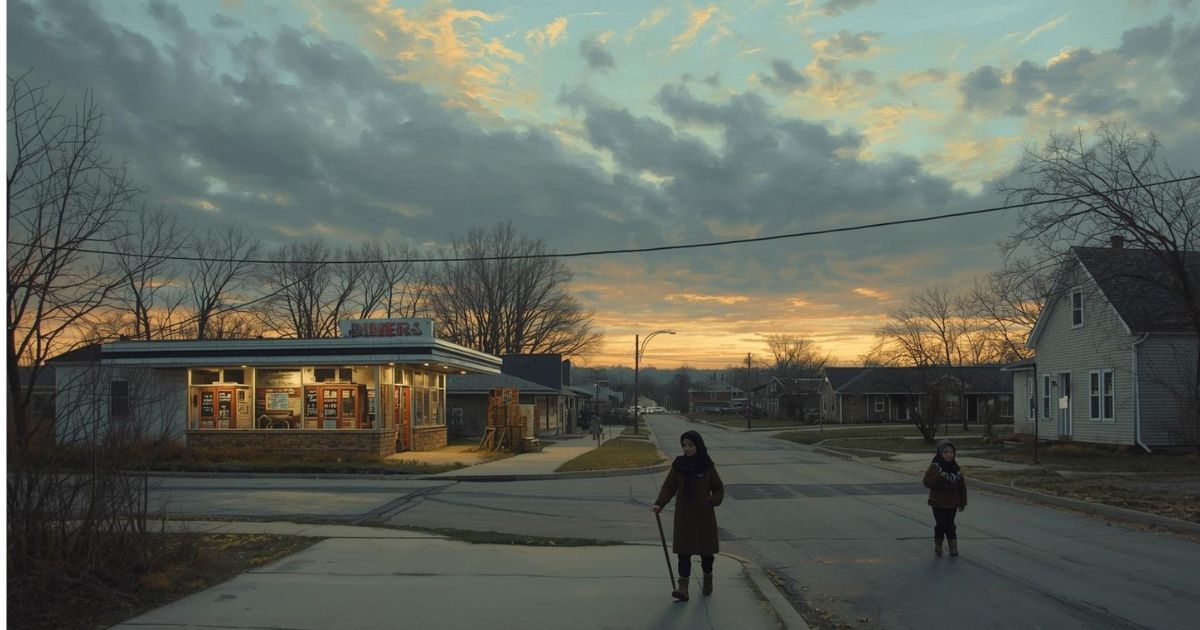
"Lady got cane! Jeez'!"
Context: Street children react to Alice's fashionable walking stick
What she reads as sophistication reads to others as absurd theater, especially from a girl whose father works for wages.
In Today's Words:
A child on the corner shouts that the lady has a cane like it is a joke. Status props work only when the audience shares the script; otherwise they spotlight the performer instead of elevating her. The same pattern shows up wherever people confuse performance with belonging or let fear of exposure keep a bad
"Men were just like sheep, and nothing was easier than for women to set up as shepherds and pen them in a fold."
Context: Bitter thought after the Lamb women laugh at her
She imagines social life as conspiracy, blaming gatekeepers because humiliation feels safer than admitting the performance failed.
In Today's Words:
She decides men follow whatever story women tell and that rivals will fence her out. When belonging hurts, it is tempting to call the system rigged instead of asking which part of your act the room cannot buy. The same pattern shows up wherever people confuse performance with belonging or let fear of exposure keep
"Waiting. Just waiting."
Context: Half-spoken daydream about a magnificent unknown suitor
Romantic fantasy cushions class anxiety, letting her endure mockery by imagining destiny waiting around the corner.
In Today's Words:
She murmurs that she is just waiting, as if some perfect man is already searching. Daydreams like this postpone hard choices by promising that one grand meeting will erase years of precarious striving. The same pattern shows up wherever people confuse performance with belonging or let fear of exposure keep a bad situation frozen in
Thematic Threads
Class Anxiety
In This Chapter
Alice's walking stick becomes a symbol of her desperate attempt to appear wealthy and sophisticated
Development
Intensifying from previous chapters - her class insecurity is now driving visible, embarrassing behavior
In Your Life:
You might recognize this when you're spending money you don't have to keep up appearances or using language that doesn't feel natural to impress others.
Social Performance
In This Chapter
Every gesture Alice makes is calculated for effect, from her walk to her flirtation with the stranger
Development
Building on earlier themes - Alice's entire public existence has become a carefully choreographed act
In Your Life:
This shows up when you find yourself exhausted after social interactions because you were 'on' the whole time instead of being yourself.
Identity Crisis
In This Chapter
Alice doesn't know who she really is beneath all the performance and aspiration
Development
Deepening from previous chapters - the gap between her authentic self and performed self is widening
In Your Life:
You might experience this when you realize you've been saying yes to things that don't align with your actual values or interests.
Judgment and Shame
In This Chapter
The public ridicule from the Lamb women and children's mockery cuts deep into Alice's self-worth
Development
Escalating - Alice's fear of judgment is now being realized in painful, public ways
In Your Life:
This appears when you avoid certain places or people because you're afraid of being judged or found inadequate.
Hope and Delusion
In This Chapter
Alice imagines the stranger as a potential messenger to some perfect future suitor
Development
Continuing pattern - Alice escapes harsh reality through romantic fantasy
In Your Life:
You might catch yourself doing this when you pin unrealistic hopes on chance encounters or minor positive interactions.
You now have the context. Time to form your own thoughts.
Discussion Questions
This is not a test. Five prompts guide you through the chapter, from how it opens to how it closes, so you notice context and rhythm rather than facts to memorize. Sit with each question in your own words. When you see "One way to read it," treat it as a starting point, not the only answer.
- 1
Why does Alice discard her Alys Tuttle calling cards before leaving the house?
analysis • surfaceOne way to read it
She is editing her identity for public view, shedding an outdated persona that might undermine the sophistication she wants to project.
- 2
How do the Lamb women's laughter differ from Mrs. Dowling's stare?
analysis • mediumOne way to read it
Both wound, but the Lambs employ class power tied to her father's paycheck, making their mockery feel like workplace hierarchy invading the street.
- 3
Where have you seen someone misread a trend and become a cautionary story?
application • mediumOne way to read it
Office fashion fails, prestige hobbies bought on credit, or slang adopted without context often mark someone as striving rather than secure.
- 4
Why does Alice scrape mortar from Mildred's gatepost before entering?
analysis • deepOne way to read it
She needs a final performance of ownership and ease for any watcher, even after a morning of humiliation.
- 5
What would healthier belonging look like for Alice than chasing props?
reflection • deepOne way to read it
Building skills and friendships that do not require disguising her address, income, or father's job.
Critical Thinking Exercise
Decode the Status Performance
Think of a recent situation where you felt pressure to prove you belonged—a new job, social group, or community event. Write down three specific things you did or said to try to fit in. Then analyze: which actions felt natural versus performed? What reactions did you get? How much mental energy did the performance cost you?
Consider:
- •Notice the difference between adapting respectfully and performing desperately
- •Consider whether your 'audience' was actually judging you as harshly as you feared
- •Think about times when dropping the performance led to better connections
Journaling Prompt
Write about a time when you stopped trying to impress someone and just showed up as yourself. What happened? How did it feel different from performing belonging?
Coming Up Next...
Chapter 4: A Father's Gentle Defense
Back home, Adams grows restless and calls for Alice. What does her father want to discuss, and how will it affect the family's precarious situation Mr. Adams, restless at noon, asks for Alice and learns she walked two miles to discover what Mildred Palmer will wear tonight, a ritual he cannot fathom though he accepts it as female jargon..