Chapter 19
The Dinner Party Dilemma
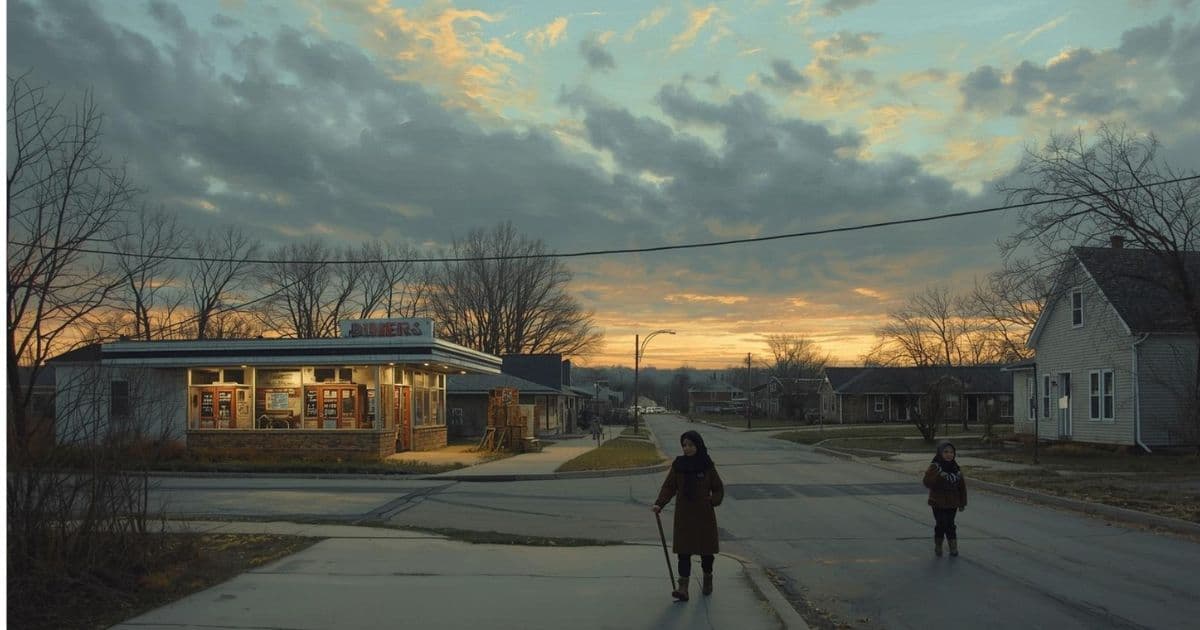
Alice was softly crooning to herself as her mother turned the corner of the house and approached through the dusk. “Isn't it the most BEAUTIFUL evening!” the daughter said. “WHY can't summer last all year? Did you ever know a lovelier twilight than this, mama?” Mrs. Adams laughed, and answered, “Not since I was your age, I expect.” Alice was wistful at once. “Don't they stay beautiful after my age?” “Well, it's not the same thing.” “Isn't it? Not ever?” “You may have a different kind from mine,” the mother said, a little sadly. “I think you will, Alice. You…
Public-domain chapter text, formatted for reading.
Master this chapter. Complete your experience
Purchase the complete book to access all chapters and support classic literature
Available in paperback, hardcover, and e-book formats
Now let's explore the literary elements.
Key Quotes & Analysis
"I feel a tricky mess beside him! I don't see why he likes me; and sometimes I'm afraid he wouldn't if he knew me."
Context: Confiding in her mother about Russell on the veranda
Alice names the gap between performance and reality that the coming dinner will test.
In Today's Words:
She says she feels like a tricky mess next to Russell and fears he would not like the real her. When you build a relationship on edited highlights, every invitation home feels like a trial, not a celebration. The same pattern shows up wherever people confuse performance with belonging or let fear of exposure keep
"I got to have three hundred and fifty dollars."
Context: Standing before his parents in the dark yard
The flat repetition signals crisis without details, draining family resources at the worst moment.
In Today's Words:
He says he has to have three hundred fifty dollars and will not explain why. Urgent money demands without context usually mean trouble brewing offstage, and families often discover the real bill after the performance for guests is already underway. The same pattern shows up wherever people confuse performance with belonging or let fear of
"It looks so kind of poverty-stricken. We really oughtn't to wait any longer."
Context: Urging Alice to invite Russell to dinner
Social respectability becomes a costly emergency that competes with Walter's undisclosed need.
In Today's Words:
Her mother says not inviting Russell looks poverty-stricken and they cannot wait. Respectability panic makes people spend on appearance precisely when hidden crises need cash, which is how performance traps drain families from two directions at once. The same pattern shows up wherever people confuse performance with belonging or let fear of exposure keep a
"What will he think?"
Context: Interior monologue while scrubbing the house before the dinner
Her fear centers on exposure: Russell will compare this house to the world she pretended to belong to.
In Today's Words:
She keeps asking what Russell will think while scrubbing soot and cracked plaster. The terror is not the house itself but the collision between the person she performed and the family he is about to meet. The same pattern shows up wherever people confuse performance with belonging or let fear of exposure keep a bad
Thematic Threads
Class Anxiety
In This Chapter
Alice frantically tries to make their modest home appear sophisticated enough for Russell, buying expensive ingredients they can't afford and hiring help to create an illusion of higher status.
Development
Evolved from Alice's earlier social climbing attempts to this critical test where her constructed identity meets family reality.
In Your Life:
You might feel this when your partner wants to meet your family and you worry about their judgment of your background or living situation.
Family Loyalty
In This Chapter
Alice torn between protecting Russell from her family's reality and protecting her family from his potential judgment, while Walter's crisis threatens to derail everything.
Development
Previously focused on Alice's individual struggles, now showing how personal ambitions conflict with family obligations.
In Your Life:
You experience this when your personal goals require distancing yourself from family members who might not understand or support your aspirations.
Financial Strain
In This Chapter
The family stretches their limited resources for an elaborate dinner while Walter desperately needs $350 they don't have, highlighting competing financial pressures.
Development
Intensified from earlier hints about Adams' struggling business to this crisis point where multiple financial demands converge.
In Your Life:
You know this feeling when unexpected expenses hit just as you're trying to make a good impression or maintain appearances in your social life.
Deception's Cost
In This Chapter
Alice's months of creating false impressions now require expensive, exhausting maintenance as the dinner forces her constructed identity to meet reality.
Development
Culmination of Alice's pattern of small deceptions and omissions, now requiring major performance to sustain.
In Your Life:
This hits when you realize that small lies or exaggerations have grown into a web that requires constant energy to maintain.
Crisis Timing
In This Chapter
Walter's mysterious trouble and desperate need for money coincides with Alice's important dinner, forcing the family to juggle multiple crises simultaneously.
Development
New development showing how personal crises rarely arrive conveniently, often compounding existing pressures.
In Your Life:
You've lived this when work problems, family emergencies, and relationship milestones all hit at the same time, leaving you stretched thin across multiple urgent situations.
You now have the context. Time to form your own thoughts.
Discussion Questions
This is not a test. Five prompts guide you through the chapter, from how it opens to how it closes, so you notice context and rhythm rather than facts to memorize. Sit with each question in your own words. When you see "One way to read it," treat it as a starting point, not the only answer.
- 1
Why is Alice reluctant to invite Russell to dinner?
analysis • surfaceOne way to read it
She fears their modest home and her deceptions about status will disappoint or expose her.
- 2
What does Walter's interaction with Lamb suggest to Adams?
analysis • mediumOne way to read it
Lamb knows Walter by name, which unsettles Adams's theory that he has been ignored or forgotten.
- 3
How do Mrs. Adams's dinner plans conflict with the family's finances?
application • mediumOne way to read it
She stages an elaborate meal while Adams cannot spare three hundred fifty dollars and needs a bank loan for payroll.
- 4
What does Alice's interior monologue reveal about her responsibility for Russell's expectations?
application • deepOne way to read it
She knows she created the image he will bring to dinner, so dread is tied to her own performance rather than only poverty.
- 5
When have you spent on appearances while a real problem went unaddressed?
reflection • deepOne way to read it
Strong answers name both the performance cost and the hidden issue that needed the money or attention instead.
Critical Thinking Exercise
Calculate the True Cost of Image Management
Think of a time when you or someone you know spent money, time, or energy maintaining an image that didn't match reality. Create a two-column list: in the left column, write what was spent (money, time, stress, missed opportunities). In the right column, write what could have been gained by using those same resources honestly. Then write one sentence describing the pattern you see.
Consider:
- •Consider both obvious costs (money spent) and hidden costs (stress, missed authentic connections)
- •Think about what honest communication might have prevented or solved
- •Notice how the fear of judgment often costs more than the judgment itself would
Journaling Prompt
Write about a current situation where you feel pressure to maintain an image. What would happen if you chose honesty instead? What's the worst realistic outcome, and what's the best possible outcome?
Coming Up Next...
Chapter 20: When Secrets Come to Light
While Alice scrubs for tomorrow's dinner, Russell lunches with wealthy cousins who casually discuss her father. The closed door behind Alice in his mind is about to open, and his silence will speak louder than any defense.