Chapter 25
The Treasure Hunt Begins
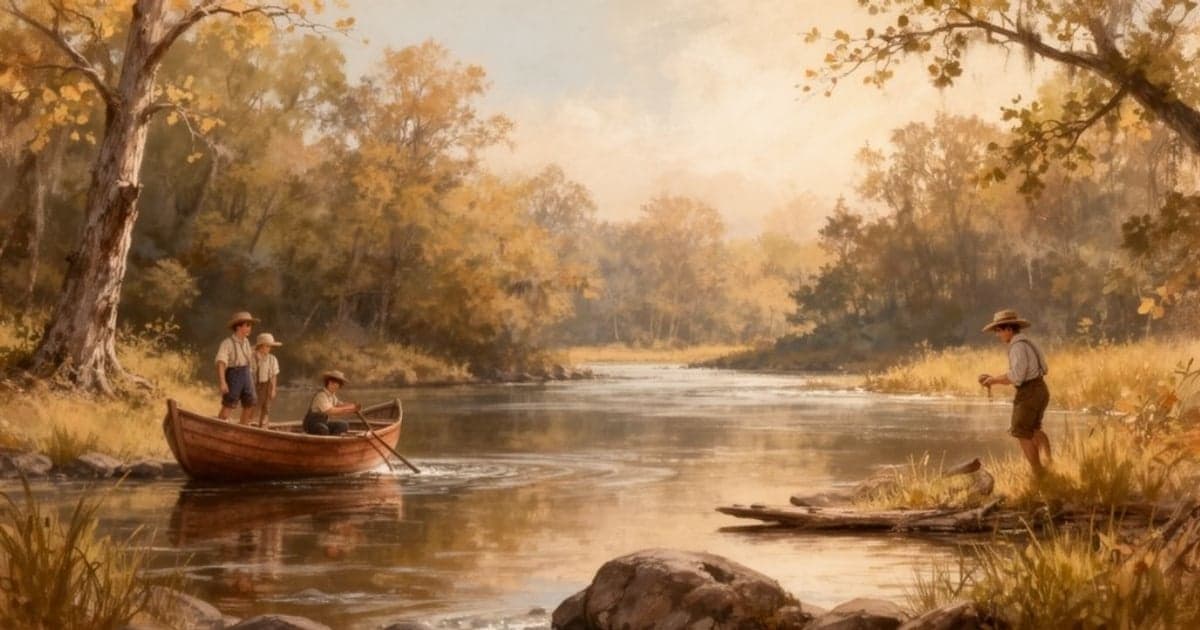
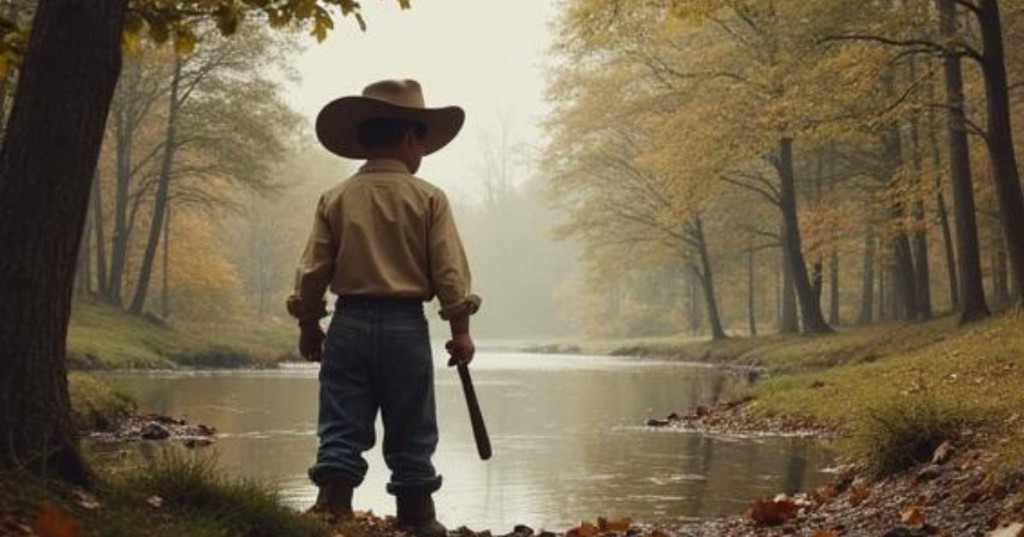
There comes a time in every rightly-constructed boy’s life when he has a raging desire to go somewhere and dig for hidden treasure. This desire suddenly came upon Tom one day. He sallied out to find Joe Harper, but failed of success. Next he sought Ben Rogers; he had gone fishing. Presently he stumbled upon Huck Finn the Red-Handed. Huck would answer. Tom took him to a private place and opened the matter to him confidentially. Huck was willing. Huck was always willing to take a hand in any enterprise that offered entertainment and required no capital, for he had…
Public-domain chapter text, formatted for reading.
Master this chapter. Complete your experience
Purchase the complete book to access all chapters and support classic literature
Available in paperback, hardcover, and e-book formats
Now let's explore the literary elements.
Key Quotes & Analysis
"There comes a time in every rightly-constructed boy’s life when he has a raging desire to go somewhere and dig for hidden treasure."
Context: Tom suddenly wants to hunt buried treasure with Huck
Twain treats treasure fever as developmental fact. Desire outruns evidence.
In Today's Words:
Every normal boy eventually wants to dig for buried treasure. Tom chases easy wealth because hope feels better than waiting. People still swap grind for fantasy when the fantasy promises a shortcut. Twain keeps returning to the same pattern: the longer you postpone the honest move, the more dramatic and costly the correction becomes when it finally arrives.
"Sunday-school sup’rintendents?"
Context: Huck asks who hides treasure and Tom mocks the obvious answer
Tom defines adventure against respectable authority. Robbers are more romantic than clergy.
In Today's Words:
Who else would hide it, Sunday school superintendents? Tom jokes because treasure must belong to outlaws in his imagination. We still picture windfalls as coming from forbidden worlds, not from ordinary work. Twain keeps returning to the same pattern: the longer you postpone the honest move, the more dramatic and costly the correction becomes when it finally arrives.
"Whoever finds one of these hid treasures, it belongs to him."
Context: Tom insists finders keepers on the widow's land
Tom invents property law to suit desire. Ownership is whatever keeps the dream alive.
In Today's Words:
Whoever finds the treasure owns it. Tom makes up rules that favor the digger. People often treat luck as moral entitlement when wanting something badly enough. Twain keeps returning to the same pattern: the longer you postpone the honest move, the more dramatic and costly the correction becomes when it finally arrives.
"The ha’nted house. That’s it!"
Context: After failed digs, Tom chooses the haunted house as next site
Failure redirects fantasy, not logic. Horror becomes the new wrapper for greed.
In Today's Words:
The haunted house, that is it. Failed holes do not end the quest, they escalate it. When one shortcut fails, people often reach for a bigger story instead of a better method. Twain keeps returning to the same pattern: the longer you postpone the honest move, the more dramatic and costly the correction becomes when it finally arrives.
Thematic Threads
Class
In This Chapter
Huck's immediate spending plans (pie, circus) versus Tom's long-term dreams (drums, sword) reveal different relationships with money based on security levels
Development
Continues from earlier chapters showing how poverty shapes immediate versus delayed gratification
In Your Life:
Your financial background shapes whether you save for the future or spend money immediately when you get it
Friendship
In This Chapter
Tom and Huck's complementary partnership—dreamer and questioner—creates a sustainable dynamic for shared adventures
Development
Builds on their earlier fence-painting relationship, showing how their differences strengthen their bond
In Your Life:
The best friendships often pair people with different strengths who balance each other out
Reality vs Fantasy
In This Chapter
The treasure hunt deflates when faced with actual digging, wrong locations, and genuine fear in the dark
Development
Introduced here as a major theme about childhood dreams meeting practical limitations
In Your Life:
Your big plans often feel less exciting when you start dealing with the actual work and obstacles involved
Fear
In This Chapter
The boys' terror in the dark cemetery transforms their playful adventure into something genuinely frightening
Development
Builds on Tom's earlier graveyard experience, showing how fear can overwhelm excitement
In Your Life:
Fear of the unknown can stop you from pursuing opportunities even when the potential rewards are significant
Social Expectations
In This Chapter
Tom's horror at Huck's casual attitude toward marriage reveals different class expectations about relationships
Development
Continues theme of how social position shapes what's considered normal or desirable
In Your Life:
Your background influences what you think relationships and success should look like
You now have the context. Time to form your own thoughts.
Discussion Questions
This is not a test. Five prompts guide you through the chapter, from how it opens to how it closes, so you notice context and rhythm rather than facts to memorize. Sit with each question in your own words. When you see "One way to read it," treat it as a starting point, not the only answer.
- 1
Why is Huck the perfect partner for treasure hunting?
analysis • surfaceOne way to read it
He has time, no capital, and will follow Tom into any adventure.
- 2
How do Tom and Huck differ on what they would do with treasure?
analysis • mediumOne way to read it
Huck wants food and fun now. Tom wants status objects and marriage fantasy.
- 3
Why do the boys abandon the midnight dig?
application • mediumOne way to read it
Fear of ghosts and dead men outweighs greed for one night. Imagination punishes them.
- 4
What pattern appears each time a hole comes up empty?
analysis • deepOne way to read it
Tom adds a rule instead of doubting the premise. Shadow time, witches, then haunted house.
- 5
When have you seen someone move the goalposts instead of questioning the plan?
reflection • deepOne way to read it
Strong answers name the original promise and the excuse that replaced it. Tom's treasure hunt is the template.
Critical Thinking Exercise
Map Your Partnership Patterns
Think of three important partnerships in your life—work, personal, or family. For each one, identify who typically plays the dreamer role and who plays the reality-checker role. Then consider: which partnerships work well and which ones struggle? What makes the difference between productive tension and frustrating conflict?
Consider:
- •Notice if you consistently play the same role across different partnerships
- •Look for partnerships where roles switch depending on the situation
- •Consider whether failed partnerships lacked either vision or practical grounding
Journaling Prompt
Write about a time when you had to work with someone whose approach to problems was completely opposite to yours. What did you learn from that experience, and how might you handle similar situations differently now?
Coming Up Next...
Chapter 26: When Superstition Saves Lives
Tom remains determined to find treasure, and the haunted house beckons as their next target. But approaching the infamous, crumbling building in broad daylight will test their courage in ways they haven't anticipated Tom and Huck's Friday superstitions accidentally save their lives when they postpone their treasure hunt at the haunted house by one day. Their delay proves fortunate, when they finally arrive on.