Chapter 16
When Adventure Loses Its Shine
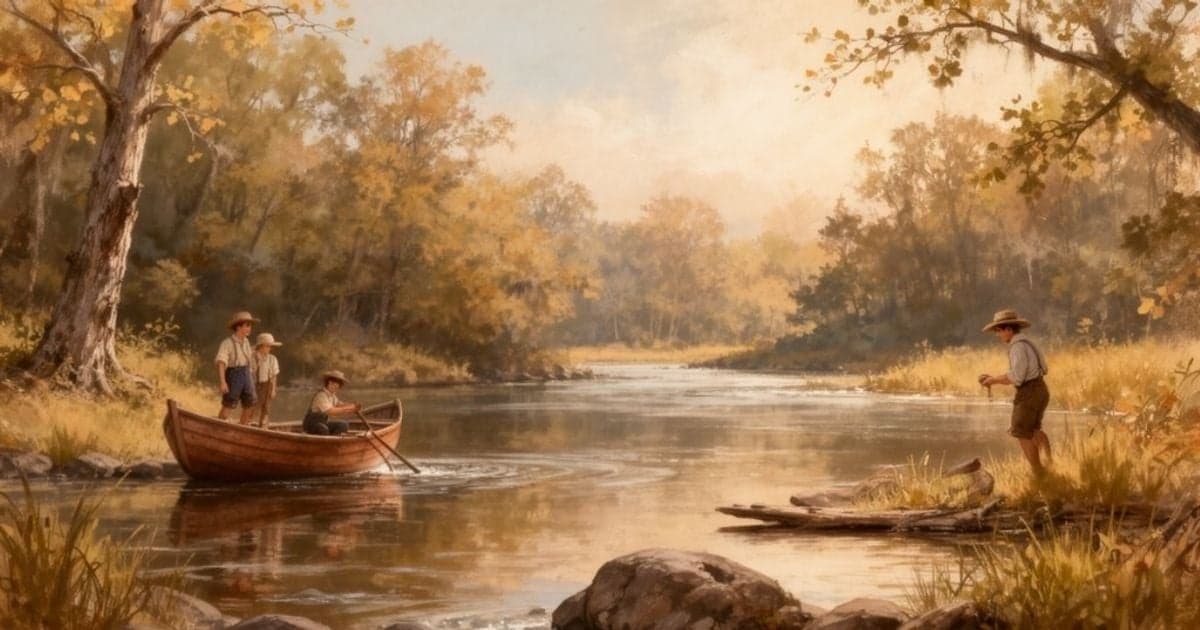
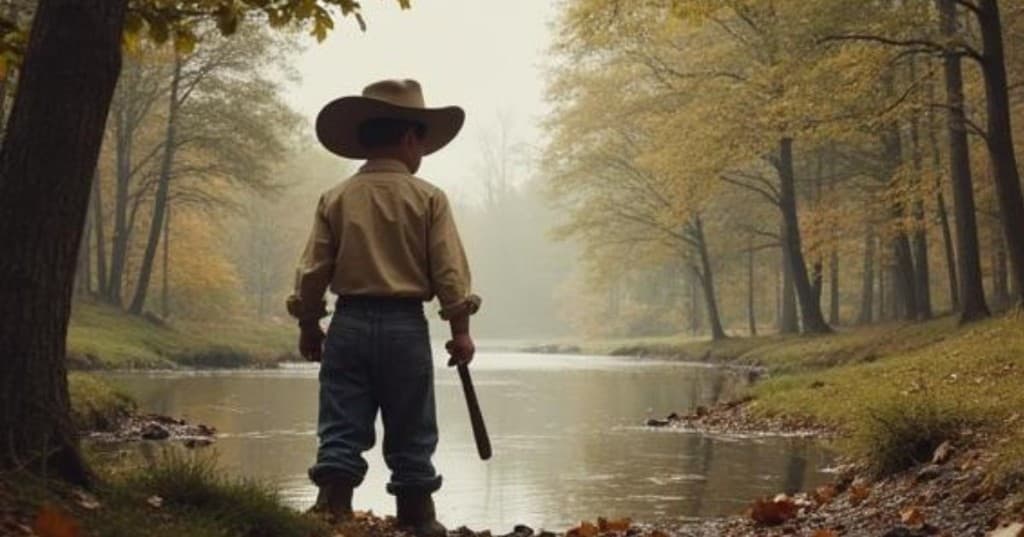
After dinner all the gang turned out to hunt for turtle eggs on the bar. They went about poking sticks into the sand, and when they found a soft place they went down on their knees and dug with their hands. Sometimes they would take fifty or sixty eggs out of one hole. They were perfectly round white things a trifle smaller than an English walnut. They had a famous fried-egg feast that night, and another on Friday morning. After breakfast they went whooping and prancing out on the bar, and chased each other round and round, shedding clothes as…
Public-domain chapter text, formatted for reading.
Master this chapter. Complete your experience
Purchase the complete book to access all chapters and support classic literature
Available in paperback, hardcover, and e-book formats
Now let's explore the literary elements.
Key Quotes & Analysis
"Oh, boys, let’s give it up. I want to go home. It’s so lonesome."
Context: Homesickness breaks the island adventure on the sandbar
Joe names what Tom has been hiding behind bravado. The pirate game collapses when loneliness outweighs freedom.
In Today's Words:
Let us quit. I want to go home. It is so lonely. Joe says what the island adventure was hiding. Freedom without belonging eventually feels like exile, which is why Tom must produce a bigger secret to keep the group together. Twain keeps returning to the same pattern: the longer you postpone the honest move, the more dramatic and costly the correction becomes when it finally arrives.
"Wait! Wait! I want to tell you something!"
Context: Tom chases Joe and Huck after they start leaving
Pride breaks at the last second. Tom would rather share the funeral plan than be left alone.
In Today's Words:
Wait, I need to tell you something. Tom finally drops his pose because solitude is worse than surrender. People often confess strategy only when abandonment becomes real. Twain keeps returning to the same pattern: the longer you postpone the honest move, the more dramatic and costly the correction becomes when it finally arrives.
"Why, it’s just as easy! If I’d a knowed this was all, I’d a learnt long ago."
Context: The boys try smoking and pretend it is effortless
Tom performs mastery before nausea arrives. The brag is the point until the body disagrees.
In Today's Words:
This is easy. I would have learned sooner. Tom fakes confidence while gagging. Public competence often arrives before private competence, especially when boys are trying to become men in front of each other. Twain keeps returning to the same pattern: the longer you postpone the honest move, the more dramatic and costly the correction becomes when it finally arrives.
"Quick! boys, go for the tent!"
Context: A violent thunderstorm hits the island camp
Nature ends the swagger. The storm turns pirate play into real danger and strips away the afternoon's illusions.
In Today's Words:
Quick, get to the tent. The storm makes adventure real. Play feels noble until weather, hunger, or consequence remind you that the world is not staged for your performance. Twain keeps returning to the same pattern: the longer you postpone the honest move, the more dramatic and costly the correction becomes when it finally arrives.
Thematic Threads
Identity
In This Chapter
The boys try on adult behaviors (smoking pipes) but aren't ready for the consequences, getting sick instead of feeling mature
Development
Building from earlier role-playing, now showing the gap between wanting to be something and actually being ready for it
In Your Life:
You might recognize this when you take on responsibilities or behaviors you think you want but aren't actually prepared for.
Social Expectations
In This Chapter
Tom uses shame and peer pressure to try controlling his crew, calling Joe a 'crybaby' when honest emotion threatens group dynamics
Development
Evolved from Tom's earlier manipulation tactics, now showing how social pressure can backfire when people's hearts aren't in it
In Your Life:
You see this when someone tries to shame you into staying in a situation that no longer serves you.
Personal Growth
In This Chapter
The thunderstorm forces the boys to work together for survival, temporarily solving their interpersonal conflicts through shared necessity
Development
Continuing the theme that real growth comes through facing challenges rather than avoiding them
In Your Life:
You experience this when external pressures force you to set aside petty conflicts and focus on what really matters.
Human Relationships
In This Chapter
Huck wavers between loyalty to Tom and his own desires, caught in the middle of conflicting allegiances
Development
Deepening exploration of how relationships create competing obligations and emotional pulls
In Your Life:
You feel this tension when you're torn between loyalty to someone and doing what you know is right for yourself.
Class
In This Chapter
The boys' attempt at 'adult' smoking reveals their inexperience with behaviors they associate with maturity and status
Development
Continuing examination of how class markers and adult privileges aren't automatically accessible through imitation
In Your Life:
You might see this when you try to adopt behaviors or possessions you think signal success but feel uncomfortable or inauthentic.
You now have the context. Time to form your own thoughts.
Discussion Questions
This is not a test. Five prompts guide you through the chapter, from how it opens to how it closes, so you notice context and rhythm rather than facts to memorize. Sit with each question in your own words. When you see "One way to read it," treat it as a starting point, not the only answer.
- 1
Why does Tom write BECKY in the sand and then erase it twice?
analysis • surfaceOne way to read it
He misses Becky but hates showing weakness. The sand confession reveals what his pirate bravado is hiding.
- 2
Why does Tom save the funeral secret until the boys are leaving?
analysis • mediumOne way to read it
He fears even that plan will not hold them long. He hoards the best card until abandonment forces his hand.
- 3
How does the smoking scene expose Tom and Joe's performance of maturity?
application • mediumOne way to read it
They brag about ease while getting sick. The scene is about status, not pleasure.
- 4
What does the thunderstorm change about the island adventure?
analysis • deepOne way to read it
It turns play into real danger and destroys their shelter. Nature refuses to stay background scenery.
- 5
When have you tried to save a failing plan by adding a bigger twist?
reflection • deepOne way to read it
Strong answers name what was failing emotionally, not just logistically. Tom's funeral scheme is the template.
Critical Thinking Exercise
Map Your Honeymoon-to-Reality Cycle
Think of something in your life that started exciting but became routine - a job, relationship, living situation, or hobby. Draw a simple timeline showing: the honeymoon phase, when reality set in, what specific problems emerged, and how you adapted (or didn't). Then identify one current situation where you might be in the honeymoon phase and predict what challenges might emerge.
Consider:
- •What were you actually trying to escape from in the first place?
- •Which problems were truly solved versus which ones just changed form?
- •What adaptation strategies worked versus what made things worse?
Journaling Prompt
Write about a time when you wanted to quit something during the 'reality phase' but stuck it out. What helped you push through, and what did you learn about yourself in the process?
Coming Up Next...
Chapter 17: The Boys Crash Their Own Funeral
While the boys play at being dead pirates and Indians on their island, the real world mourns their disappearance. Their families grieve, and the entire town falls into an unusual quiet, unaware that their 'lost' children are very much alive and learning hard lessons about the cost of freedom.