
Reframe · No. 59
Proverbs is not a book of nice sayings. The compilers wrote a field manual.
Most readers arrive with the lifted lines already chosen: pride goes before a fall, train up a child, a virtuous woman above rubies. That is the popular summary. It is not what the compilers put on the page. Under the motto is a field manual. The first pressure is a recruitment.
Chapter 1 will not let you start anywhere else. The proverbs of Solomon the son of David, king of Israel: to know wisdom and instruction, and to give the young man knowledge and discretion. Then a father lowers his voice. My son, if sinners entice thee, consent thou not. The pitch sounds like belonging. Come with us. Cast in thy lot. Let us all have one purse. We shall fill our houses with spoil. What they are actually selling is an ambush. They lay wait for blood. They lurk for the innocent without cause. The father names the trap they cannot see: they lay wait for their own blood. Greed takes the life of the owners thereof. Then Wisdom cries in the streets, at the gates, in the chief place of concourse. She has called and been refused. When fear comes as desolation, she will laugh. She will mock when destruction comes as a whirlwind. Then they will seek her early and not find her. A quote book does not laugh at the people who ignored it.
Chapter 9 sets two tables in the same city. Wisdom has built her house, hewn seven pillars, killed her beasts, mingled her wine. She sends her maidens out: come, eat of my bread. Folly sits at the door of her house and uses the same opening line: whoso is simple, let him turn in hither. Stolen waters are sweet, and bread eaten in secret is pleasant. He knoweth not that the dead are there. The invitations share a sentence. Only one of them tells you what is in the house.
Chapter 6 will not stay in one lane. If you have struck your hand as surety, you are snared with the words of your mouth: give not sleep to your eyes; deliver yourself as a roe from the hunter. Then the ant, which has no guide, overseer, or ruler, and still gathers in summer. Then seven things the LORD hates, and a lying tongue stands in the same breath as hands that shed innocent blood. A poster of niceness cannot hold that list.
From chapter 10 the form snaps to couplets. A soft answer turneth away wrath. That is not a rule about being pleasant. Grievous words stir up anger: the line is a tool for a room that is already hot. Chapter 16 is where the motto gets sanded. Readers say pride goes before a fall. The couplet is longer and harder: pride goeth before destruction, and an haughty spirit before a fall. Chapter 22 says a good name is rather to be chosen than great riches, then says the borrower is servant to the lender. Chapter 26 will not even give you a single rule for fools. Answer not a fool according to his folly, lest thou also be like unto him. Then, in the next verse: answer a fool according to his folly, lest he be wise in his own conceit. Both stand. Wisdom is knowing which room you are in. A lifted line cannot do that work.
Chapter 27 refuses the charm reading of speech. Open rebuke is better than secret love. Faithful are the wounds of a friend, but the kisses of an enemy are deceitful. Iron sharpeneth iron. The friend who cuts you is more useful than the mouth that oils you. That is the opposite of nice.
The book also will not stay Solomon's. Chapter 25 heads a new stack: these are also proverbs of Solomon, which the men of Hezekiah king of Judah copied out. A court still needed the old sentences. Chapter 30 gives the page to Agur son of Jakeh, who opens by saying he is more brutish than any man and has not the understanding of a man. His prayer is not for a blessing that looks like wealth. Give me neither poverty nor riches. Feed me with food convenient for me, lest I be full and say who is the LORD, or poor and steal. That prayer sits in the same library as the couplets people quote to prove that goodness pays in coin.
Chapter 31 is two voices, and the popular summary keeps only one. First, the words of king Lemuel, the prophecy that his mother taught him. She tells a king not to give his strength away, not to drink and forget the law, and to open his mouth for the dumb and plead the cause of the poor and needy. Then the acrostic. Who can find a virtuous woman? Her price is far above rubies. She considers a field and buys it. She planteth a vineyard with the fruit of her hands. She stretcheth out her hand to the poor. She maketh fine linen and selleth it. Strength and honour are her clothing. Give her of the fruit of her hands, and let her own works praise her in the gates. That is not a test waiting for a wife to sit it. It is a portrait of competence that has already been practised. Favour is deceitful, and beauty is vain: but a woman that feareth the LORD, she shall be praised.
The facts of the sayings did not change. The marketing did. A gang, a laugh, a leash on debt, two answers to a fool, a friend's wound, a king's mother, and a woman whose ledger already works are not a book of nice sayings. They are what the compilers kept because ordinary rooms still ruin people in the same ways.
What most readers assume
“A book of nice sayings: pride before a fall, train up a child, and a virtuous woman used as a test for wives.”
What King Solomon (attributed) actually stages
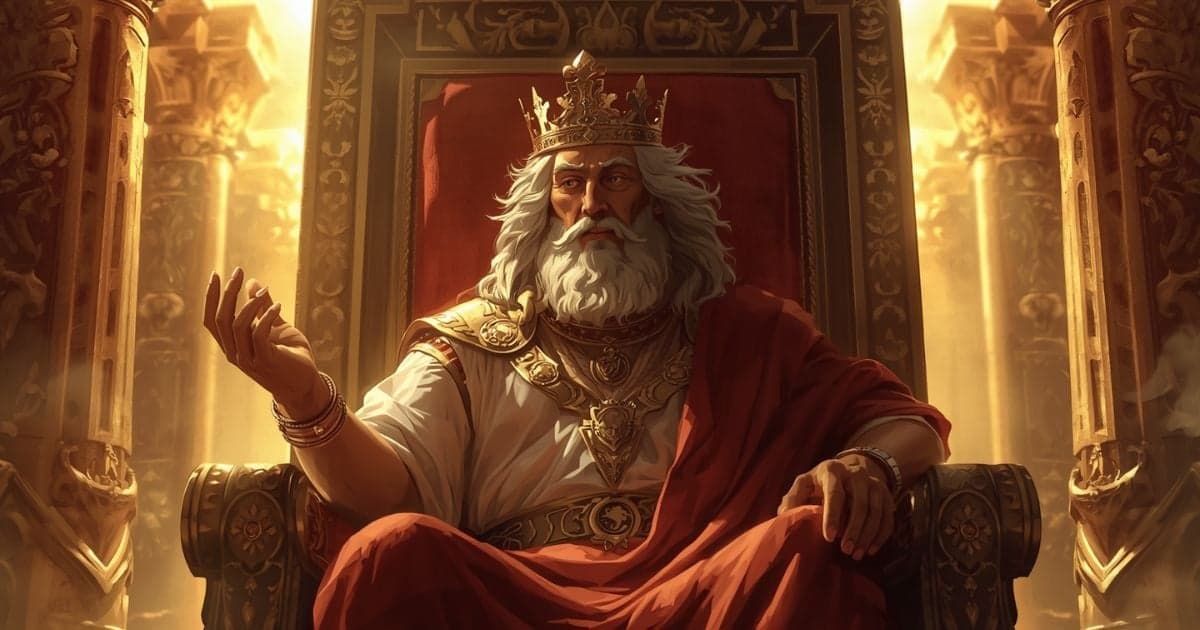
Most readers arrive with the lifted lines already in hand: pride before a fall, train up a child, a virtuous woman worth more than rubies. The book opens on a gang offering one purse, then Wisdom laughing when calamity comes. From chapter 10 the form snaps to couplets, but the couplets still cut. The borrower is servant to the lender. Faithful are the wounds of a friend. Chapter 31 is not a test for wives. It is a portrait of work already done.
Proverbs · King Solomon (attributed)
The popular summary sells nice sayings you can lift. The book sells a gang at the door, a laugh at calamity, and a woman whose works already praise her in the gates.
Common Questions
Search questions this reframe installment answers about Proverbs.
Is the Book of Proverbs just a collection of nice sayings?
No. The popular summary keeps the lines you can lift: pride before a fall, train up a child, a virtuous woman. Chapter 1 opens on a gang offering one purse, then Wisdom laughing when the men who refused her want a rescue. Chapter 6 puts a lying tongue in the same list as hands that shed innocent blood. Chapter 26 gives two opposite instructions for answering a fool, one after the other. A quote book cannot hold that.
What is the Book of Proverbs actually about?
How speech, money, company, and correction compound until they become a life. The first nine chapters are a father talking to a son who is about to be recruited, seduced, or talked into sleep. From chapter 10 the form snaps to couplets: a soft answer turns away wrath, the borrower is servant to the lender, faithful are the wounds of a friend. Hezekiah's scribes later copied Solomon's sayings because the court still needed them. The method is empirical. Try them and watch.
Is Proverbs 31 a checklist for wives?
The popular summary treats it as one. The chapter is two voices. First, Lemuel's mother tells a king not to give his strength away, not to drink and forget the law, and to plead the cause of the poor. Then an acrostic portrait: a woman who buys a field, plants a vineyard, sells linen, feeds her household, and reaches her hand to the needy. The last line is not sit this test. It is give her of the fruit of her hands, and let her own works praise her in the gates. Competence already practised, not a score waiting to be earned.
Did Solomon write all of Proverbs?
The book never claims that. It opens as the proverbs of Solomon son of David, then names the wise, then Agur son of Jakeh, then the mother of King Lemuel. Chapter 25 says these are also proverbs of Solomon, which the men of Hezekiah king of Judah copied out. Tradition gave the whole library one famous name. The text is more honest than the reputation.
Does Proverbs teach that good people get rich?
Some couplets sound that way, and that is how the prosperity reading gets its start. The same book also says better is a little with righteousness than great revenues without right. A good name is rather to be chosen than great riches. The borrower is servant to the lender. He that oppresseth the poor to increase his riches shall surely come to want. Agur, in chapter 30, asks to be given neither poverty nor riches, lest he be full and deny God or poor and steal. Wealth is one outcome the compilers refuse to treat as proof.
What does pride goes before a fall actually say in Proverbs?
Chapter 16 says pride goeth before destruction, and an haughty spirit before a fall. The popular summary keeps the last word and drops destruction. The couplet is two beats, not one motto. A haughty spirit is already on the way down. The fall is the second clause, not the whole teaching.