Chapter 11
The Music of Memory and Desire
Episode 11: Sirens Bronze by gold heard the hoofirons, steelyringing. Imperthnthn thnthnthn. Chips, picking chips off rocky thumbnail, chips. Horrid! And gold flushed more. A husky fifenote blew. Blew. Blue bloom is on the. Goldpinnacled hair. A jumping rose on satiny breast of satin, rose of Castile. Trilling, trilling: Idolores. Peep! Who’s in the... peepofgold? Tink cried to bronze in pity. And a call, pure, long and throbbing. Longindying call. Decoy. Soft word. But look: the bright stars fade. Notes chirruping answer. O rose! Castile. The morn is breaking. Jingle jingle jaunted jingling. Coin rang. Clock clacked. Avowal. Sonnez. I…
Public-domain chapter text, formatted for reading.
Master this chapter. Complete your experience
Purchase the complete book to access all chapters and support classic literature
Available in paperback, hardcover, and e-book formats
Now let's explore the literary elements.
Key Quotes & Analysis
"Bronze by gold heard the hoofirons, steelyringing"
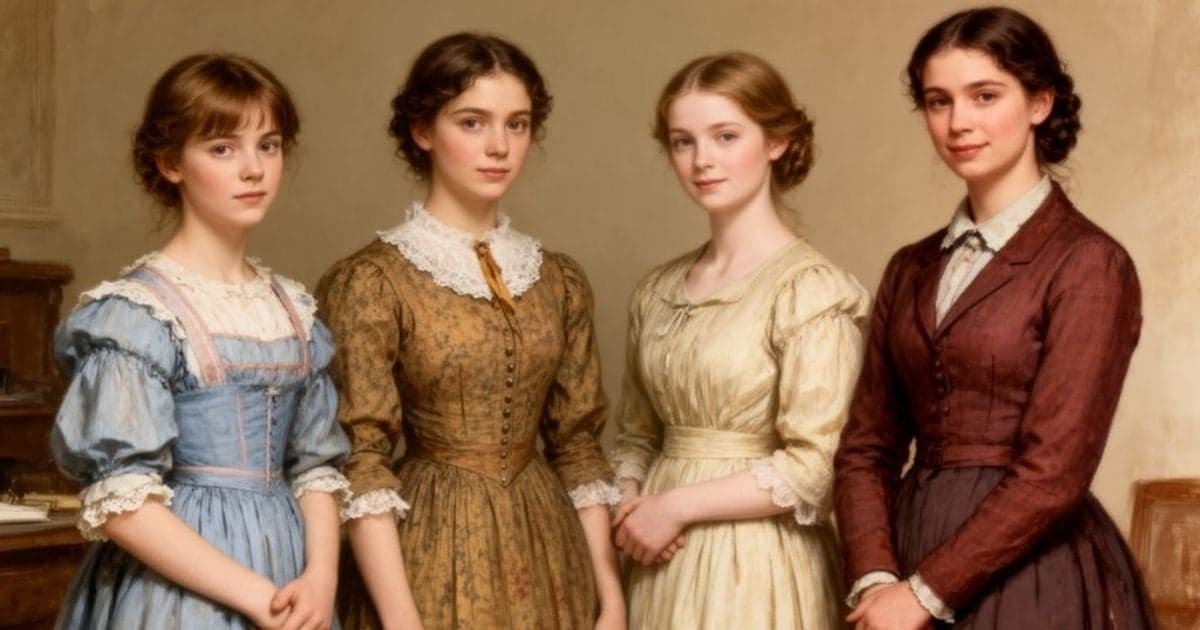
Context: The opening line that introduces the two barmaids through the colors of their hair while horses pass outside
Joyce immediately establishes his musical technique, using alliteration and rhythm to create meaning. The bronze and gold become musical notes that will recur throughout the chapter.
In Today's Words:
On an ordinary Dublin morning that feels anything but ordinary, Joyce immediately establishes his musical technique, using alliteration and rhythm to create meaning. The bronze and gold become musical notes that will recur throughout the chapter. Bloom's day teaches through attention, not argument. Ask whether the moment is asking for honesty or for another performance.
"Listen! The spiked and winding cold seahorn"
Context: Bloom's mind drifts to thoughts of the sea and distance while listening to music
The seahorn represents both literal sound and metaphorical call - perhaps the call of adventure, escape, or the unknown that Bloom feels but cannot answer.
In Today's Words:
When your mind will not stay on the script you were given, The seahorn represents both literal sound and metaphorical call - perhaps the call of adventure, escape, or the unknown that Bloom feels but cannot answer. Notice whether you are performing resilience or actually inhabiting the moment.
"War! War! The tympanum"
Context: During an intense musical performance that stirs violent emotions
Music becomes a battlefield of emotions. The tympanum (eardrum) suggests how sound physically impacts us, how music can feel like an assault on our senses and feelings.
In Today's Words:
If you have ever performed normal while grieving underneath, Music becomes a battlefield of emotions. The tympanum (eardrum) suggests how sound physically impacts us, how music can feel like an assault on our senses and feelings. Joyce keeps the stakes human even when the prose turns mythic.
"Episode 11: Sirens Bronze by gold heard the hoofirons, steelyringing."
Context: From The Music of Memory and Desire
In The Music of Memory and Desire, Joyce uses this line to anchor the chapter's argument: "Episode 11: Sirens Bronze by gold heard the hoofirons, steelyringing."
In Today's Words:
When comfort becomes a way of not looking, In The Music of Memory and Desire, Joyce uses this line to anchor the chapter's argument: "Episode 11: Sirens Bronze by gold heard the hoofirons, steelyringing.". The pattern still runs through modern work, love, and city life.
Thematic Threads
Isolation
In This Chapter
Bloom sits surrounded by people yet remains completely alone in his thoughts and secret correspondence
Development
Deepens from earlier chapters where Bloom wandered Dublin's streets—now even in social spaces, he's fundamentally disconnected
In Your Life:
You might recognize this in how you can feel loneliest in crowded rooms or family gatherings.
Performance
In This Chapter
The barmaids perform femininity for male customers while Bloom performs normalcy despite his inner turmoil
Development
Builds on morning chapters where characters put on social masks—here the performance becomes more elaborate and musical
In Your Life:
You see this when you maintain your 'work personality' or 'family role' even when it doesn't match how you really feel.
Memory
In This Chapter
Music triggers cascades of memories about Bloom's courtship with Molly, mixing past joy with present pain
Development
Continues the stream-of-consciousness technique, showing how present moments constantly activate past experiences
In Your Life:
You experience this when a song, smell, or phrase suddenly transports you to a completely different time and emotional state.
Desire
In This Chapter
Multiple forms of longing intersect—sexual desire, nostalgia for lost love, the barmaids' allure, Bloom's secret correspondence
Development
Expands from Bloom's morning thoughts about Molly to show how desire operates in social spaces with multiple participants
In Your Life:
You might notice this in how you're drawn to things that remind you of what you've lost or what you're missing.
Class
In This Chapter
The hotel bar represents a specific social space where working barmaids serve middle-class patrons, each playing their expected roles
Development
Continues Joyce's examination of Dublin's social hierarchy, now focused on service industry dynamics
In Your Life:
You see this in any workplace where your job requires you to perform a certain class identity that may not match your actual economic reality.
You now have the context. Time to form your own thoughts.
Discussion Questions
This is not a test. Five prompts guide you through the chapter, from how it opens to how it closes, so you notice context and rhythm rather than facts to memorize. Sit with each question in your own words. When you see "One way to read it," treat it as a starting point, not the only answer.
- 1
What happens in the opening of "The Music of Memory and Desire" when Bloom is at the Ormond Hotel for a late lunch...?
analysis • surfaceOne way to read it
Joyce opens by showing Bloom is at the Ormond Hotel for a late lunch, and Joyce writes the... before the chapter's human stakes sharpen.
- 2
Why does the middle of "The Music of Memory and Desire" turn on He orders food and writes a letter to Martha Clifford under...?
analysis • mediumOne way to read it
The episode escalates when He orders food and writes a letter to Martha Clifford under his pen name..., exposing how inner life collides with social pressure.
- 3
Where do you see emotional compartmentalization in Leo's life or your own?
application • mediumOne way to read it
One reading: the same pattern appears when dependency, grief, or desire stays unnamed in daily life.
- 4
If you were Leo watching Bloom's day in "The Music of Memory and Desire", what would you do differently?
application • deepOne way to read it
A practical response is to act with attention and decency before trying to win the room.
- 5
What does "The Music of Memory and Desire" suggest about finding meaning in an ordinary day?
reflection • deepOne way to read it
It suggests that a fully inhabited ordinary day can hold more truth than any grand narrative.
Critical Thinking Exercise
Map Your Compartments
Draw a simple map of the different 'versions' of yourself you present in different settings - work, family, social media, close friends, strangers. For each version, write 2-3 words describing how you act or what you emphasize. Then identify which parts of your authentic self get hidden in each compartment and why.
Consider:
- •Notice which compartments feel most natural versus which require the most energy to maintain
- •Consider whether your compartments protect you or isolate you from genuine connection
- •Think about what would happen if the walls between compartments became more permeable
Journaling Prompt
Write about a time when your different 'compartments' collided - like when work colleagues met your family, or when a personal crisis affected your professional performance. How did you handle it, and what did you learn about yourself?
Coming Up Next...
Chapter 12: The Cyclops: Nationalism and Prejudice Collide
Bloom's afternoon continues as he encounters a more aggressive and politically charged atmosphere. The narrative voice shifts dramatically, becoming more satirical and confrontational as Irish nationalism and anti-Semitism collide in a Dublin pub.