Thus Spoke Zarathustra

Friedrich Nietzsche
0:000:00
0:00 / 0:00

Prestige · $2.99/month
Chapter audio, theme analysis, and downloads
Friedrich Nietzsche
0:00 / 0:00
Every scale on the dragon reads Thou shalt, and the spirit that wants to pass must first kneel for the heaviest load, grow claws against the commandments, and only then learn to play without an enemy left to fight. Between 1883 and 1885 Friedrich Nietzsche published Thus Spoke Zarathustra in the voice of scripture, aimed not at proving a system but at the values scripture taught people to carry without asking who hung the table. The cost of starting is not comprehension. It is metamorphosis, and no stage can be skipped by reading faster.
Zarathustra is the teacher who comes down from a cave, speaks, fails the marketplace, and climbs again to wait for a sign. The small people of the later discourses have built doorways so low a tall soul must stoop, and they call that moderation virtue. The soothsayer arrives already tired of everything. The ugliest man sits in a valley shepherds name Serpent-death and calls himself the murderer of God, because an all-seeing witness was more than he could bear. The higher men gather later, men who have lost their fire and can feast but cannot wake when the lion comes. Life herself speaks and refuses to be a will to mere existence. The pressure among them is not a debate about whether God is dead. It is who still creates after the old tables break, and who shrinks to fit the doorway.
Chapter 1 names the three metamorphoses and the dragon whose every scale says Thou shalt. Chapter 3 has Zarathustra carry his own ashes to the mountain until the god he invented finally lets go of him. Chapters 11 and 12 give the herd its rooms: a state that claims to speak for the people, and marketplace flies that sting anyone who will not buzz with them. Chapter 15 is the survey. A thousand peoples hung a thousand tables. Man is the valuator. Humanity still lacks one goal. The hinge is chapter 46. On a ship Zarathustra tells of a gateway named This Moment, two eternities meeting, and a young shepherd choking on a black serpent. The cry is Bite. The shepherd bites, spits the head, and laughs a laughter no man had laughed. What the rest of the book spends is that bite: seven days in the cave when the small man returns too, old tables broken and new ones half written, a vow spoken to eternity itself, and a last morning when the animals finally arrive and he leaves the sleeping higher men behind for the Great Noontide.
Nietzsche is not writing a system you can outline and file. He is writing a prophetic poem in four parts that keeps refusing a church. The ending does not crown disciples. The higher men still sleep in the cave. The sign he waited for arrives as animals, not as converts, and he walks out to his own morning. What the book will not do is let a reader keep the old tables and call the refusal a philosophy. It asks whether a life a person would not choose again is a life that person has actually claimed.
The dragon's thousand commandments are where The Three Transformations begins: kneeling for weight in chapter 1, carrying ashes until the phantom God withdraws in chapter 3, and walking out when the sign arrives as animals while the higher men still sleep. Spotting Herd Thinking follows the cold monster that claims I am the people, the marketplace flies that sting anyone who will not buzz with them, and the low doorways that make stooping look like virtue. Creating Your Own Values sits with the thousand tables of chapter 15 and the broken new ones half written when old commandments finally splinter. Self-Overcoming is Life refusing to be a will to mere existence in chapter 34, and the hammer that strikes stone once the ripe figs have fallen. The Eternal Recurrence Test is the gateway named This Moment, the shepherd choking on the black serpent, and the seven days in the cave when Zarathustra admits the small man returns too. Amor Fati is the marriage vow to Eternity and the midnight bell: if a person ever said Yes to one joy, that person wanted the woe bound to it, and wanted the whole return.
The serpent hangs from the shepherd's mouth until he bites. Nietzsche spends the rest of the book asking whether a life someone would not choose again is a life that person has actually claimed. Wide Reads maps all eighty chapters with summaries, quotes, and audio, from the first descent to the Great Noontide.
Zarathustra tells a story about how a person's spirit changes three times. First it becomes a camel....
People send Zarathustra to hear a famous wise man talk about sleep and virtue. The wise man says goo...
Zarathustra admits he once believed like everyone else. When he hurt, he imagined a suffering God wh...
Zarathustra speaks to people who hate their bodies. He says they got it backward. Your body is not a...
Zarathustra warns against borrowing virtues just because everyone else uses the same name. When you ...
Zarathustra watches a pale criminal bow his head before the judges. Contempt speaks from the man's e...
Zarathustra says he loves only writing done with blood. That means words paid for with real risk and...
Zarathustra finds a young man alone on the hills, avoiding him. He compares the boy to a tree bent b...
Zarathustra says the earth is full of preachers of death. These are people who teach others to back ...
Zarathustra speaks to his brethren in war. He says he loves them from the heart and is also their be...
Zarathustra asks what a state is. He calls it the coldest of all cold monsters. It lies when it says...
Zarathustra tells his friend to flee into solitude. Great noise from famous men and stings from litt...
Zarathustra says he loves the forest. Cities have too many lustful people. He is not telling you to ...
A hermit thinks even one other person is too many. Yet I and me talk so hard inside that a friend is...
Zarathustra traveled many lands and saw how each people names good and bad differently. What one nat...
Zarathustra says neighbor-love is often bad love of yourself. People crowd around the neighbor with ...
Zarathustra speaks to a brother who wants solitude and the way to himself. The herd says all isolati...
At twilight Zarathustra is asked what he hides under his cloak. He carries a little truth like a noi...
Zarathustra tells how an adder bit him while he slept under a fig tree. The snake tried to flee, but...
Zarathustra asks one brother a hard question. The man is young and wants a child and marriage. Are y...
Zarathustra says many people die too late and some die too early. His strange teaching is this: lear...
Zarathustra leaves the Pied Cow with disciples who follow him to a crossroad. They give him a staff:...
Published 1885
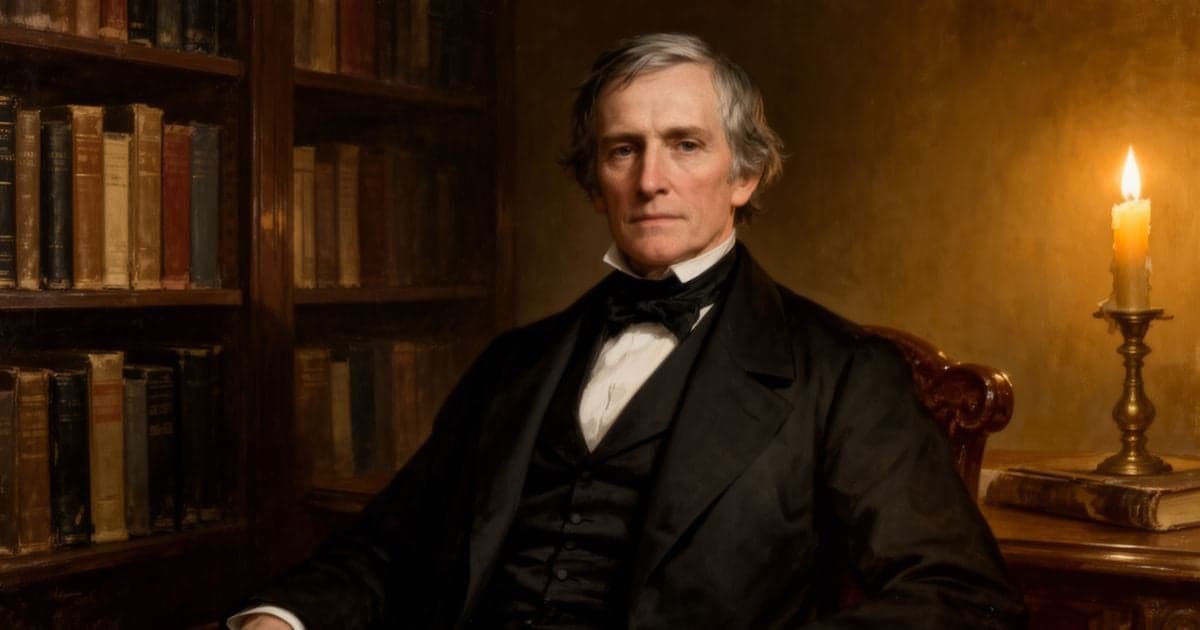
Friedrich Nietzsche (1844-1900) was a German philosopher whose work has been profoundly influential and profoundly misunderstood. Born in Röcken, Prussia, he showed extraordinary intellectual gifts early and was appointed professor of classical philology at Basel at age twenty-four, before completing his doctorate.
His early work celebrated Schopenhauer and Wagner, but Nietzsche broke sharply from both as his thinking matured. The Birth of Tragedy argued that Greek culture was built on a tension between rational control and ecstatic release. Beyond Good and Evil and The Genealogy of Morals dissected the psychology behind moral systems, arguing that conventional virtue often disguises resentment and the will to control.
Nietzsche suffered a mental breakdown in Turin in January 1889 and spent his final decade incapacitated, cared for first by his mother and then by his sister Elisabeth. Elisabeth edited and selectively published his unpublished writings to support German nationalism and anti-Semitism: a perversion of his actual philosophy. Nietzsche had explicitly opposed both, along with herd mentality, tribalism, and every form of comfortable conformity. Thus Spoke Zarathustra was his attempt to write philosophy that could not be safely summarised, that demanded the reader confront its ideas rather than file them away.
Friedrich Nietzsche speaks to the moment when you have inherited a table of commandments and never asked who hung it: the doorway built so low that stooping gets called virtue, the marketplace that rewards whoever buzzes loudest, the comfortable conformity that passes for community. Thus Spoke Zarathustra asks who still creates once the old tables break, and whether a life you would not choose again is a life you have actually claimed.
Plot, characters, and themes — plus audio, source text, and patterns you can use after class
Two ways in
Chapter by chapter, with audio. The meaning arrives because you experienced it — not because someone listed bullet points.
Start with this.
The actual words the author wrote, alongside every summary. Use the guide, then step into the source.
Then step into the source.
Either way, the door opens inward.
— and most of all, Why does this matter?
Purchase the complete book to access all chapters and support classic literature
Available in paperback, hardcover, and e-book formats
Free to read • No account required

Weekly insights from the classics. Amplify Your Mind.
We focus on public domain classics because these timeless works belong to everyone. No paywalls, no restrictions—just wisdom that has stood the test of centuries, freely accessible to all readers.
Public domain books have shaped humanity's understanding of love, justice, ambition, and the human condition. By amplifying these works, we help preserve and share literature that truly belongs to the world.
© 2026 Wide Reads™. All Rights Reserved.
Intelligence Amplifier™ and Wide Reads™ are proprietary trademarks of Arvin Lioanag.
Copyright Protection: All original content, analyses, discussion questions, pedagogical frameworks, and methodology are protected by U.S. and international copyright law. Unauthorized reproduction, distribution, web scraping, or use for AI training is strictly prohibited. See our Copyright Notice for details.
Disclaimer: The information provided on this website is for general informational and educational purposes only and does not constitute professional, legal, financial, or technical advice. While we strive to ensure accuracy and relevance, we make no warranties regarding completeness, reliability, or suitability. Any reliance on such information is at your own risk. We are not liable for any losses or damages arising from use of this site. By using this site, you agree to these terms.
Deep dives
Stand in the gateway named This Moment, then watch the shepherd bite. Would this life be chosen if it returned without remainder?
Bite! Bite!\n\nIts head off! Bite!
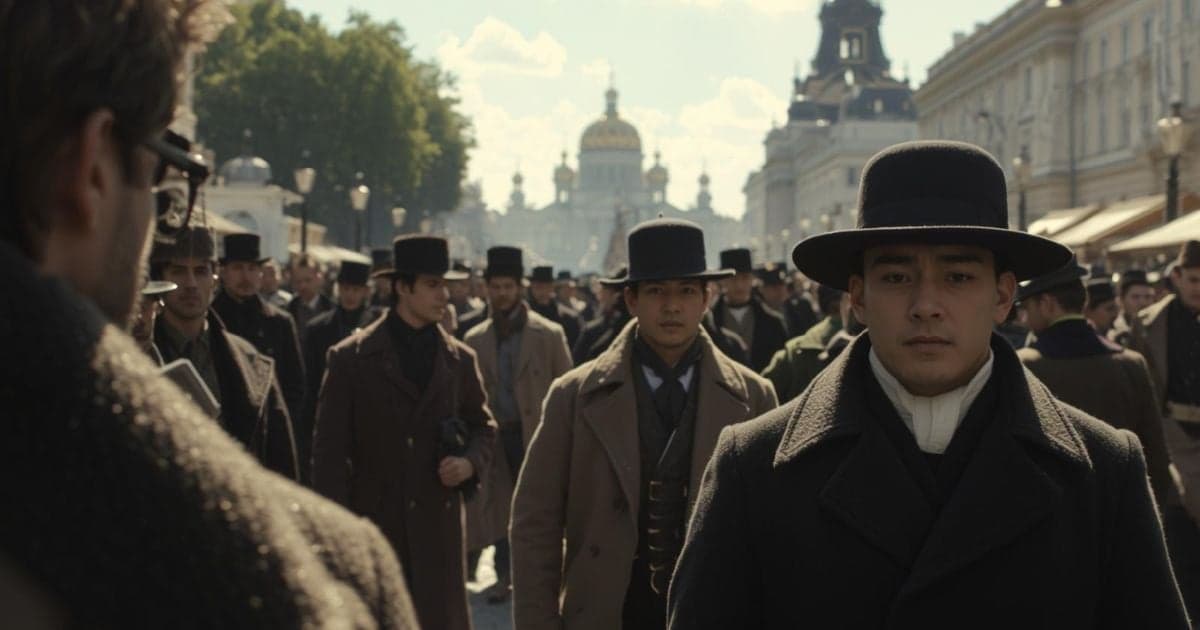
Hear the cold monster claim it is the people, then stoop through the low doorways of chapter 49.
Good sleep they sought for themselves, and poppy-head virtues to promote it!
Trending search questions mapped to the lessons in this prophetic text—what readers actually ask Google about the three metamorphoses, God is dead, eternal recurrence, herd thinking, self-overcoming, and amor fati.
Not a slogan for atheists to celebrate. The ugliest man calls himself God's murderer because an all-seeing witness was more than he could bear. Chapter 15 walks a thousand peoples and a thousand tables: valuing is creating, and no people found their good in the sky. The collapse of inherited meaning is not automatically a self. Nihilism is often the gap between a destroyed table and one you have not yet written.
Explore Creating Your Own ValuesOn a ship Zarathustra tells of a gateway named This Moment where two eternities meet. A young shepherd chokes on a black serpent until the cry is Bite. The test is whether you would will this hour to return without remainder, including the small man and the woe you wanted to leave behind. Chapter 57 names him teacher of the eternal return, and the horror is not that stars repeat but that everything petty comes back in the package.
Explore The Eternal Recurrence TestThe state says I am the people, and Zarathustra calls that a lie with stolen teeth. The marketplace begins where solitude ends, and poison-flies sting anyone who will not buzz yes or no before thinking is finished. Chapter 49 builds doorways so low a tall soul must stoop, and they call that moderation virtue. Herd thinking hates unfinished sentences because unfinished sentences cannot be counted as votes.
Explore Spotting Herd ThinkingThe overman is not a master race or a cartoon superhero. Life herself speaks in chapter 34 and says whatever she creates she must soon turn against. Self-overcoming is surpassing even what you love, not accumulating power. Zarathustra asks free for what, not free from what. The gift is complete when you can refuse the teacher and still keep the work.
Explore Self-OvercomingLove of fate: not cheer when life is easy, but wanting the whole return. The seven seals repeat for I love thee, O Eternity. If you ever said Yes to one joy, you wanted the woe bound to it and wanted it back. The soothsayer says all is empty; amor fati answers with a yes more honest than boredom dressed as wisdom.
Explore Amor FatiSix lessons run through the book: face the three transformations from camel to lion to child before old commandments can be replaced; spot herd thinking in the state's claim to speak for the people and the marketplace flies that sting anyone who will not buzz; create your own values once a thousand tables have already been hung and found wanting; practise self-overcoming as the hammer that must strike even what you love; pass the eternal recurrence test at the gateway named This Moment; and answer amor fati by wanting the whole return, not just the joy. Those skills, not a system to outline, are why the book still answers modern searches.
What makes him indispensable is how badly his warning was used against him. Nietzsche suffered a mental breakdown in Turin in January 1889 and spent his final decade incapacitated. His sister Elisabeth then edited and selectively published his unfinished writings to support German nationalism and antisemitism, a perversion of a philosophy that had explicitly opposed both, along with herd mentality and every form of comfortable conformity he spent the book warning against.
Few philosophers have been this thoroughly proven right about the thing that then happened to them. Nietzsche wrote that people who claim to speak for the herd will always find followers who would rather stoop than think, and his own name was borrowed by exactly that kind of herd within a generation of his death. Reading the actual book, not the slogan, is the only real correction available.