Wide Reads
Literature MattersLife IndexEducators
Sign in
Where to Begin
Thus Spoke Zarathustra - The Last Pope's Confession

Friedrich Nietzsche

Thus Spoke Zarathustra

The Last Pope's Confession

Home›Books›Thus Spoke Zarathustra›Chapter 66
Previous
66 of 80
Next

Summary

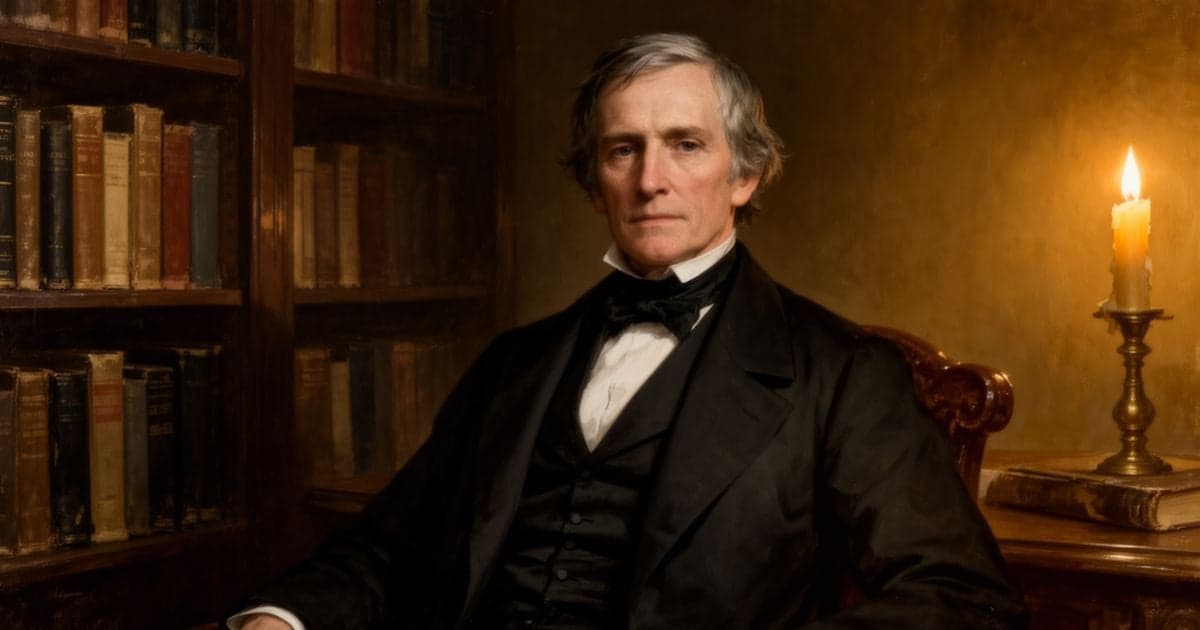
Zarathustra encounters a mysterious figure in black—the last pope on earth. This broken old man has spent his life serving God, only to discover that God has died. He's wandering the mountains, lost and purposeless, seeking the hermit saint who once lived in the forest. But when he found the hermit's cottage, only wolves remained, howling over their master's death. Now the pope seeks Zarathustra, calling him 'the most pious of all those who believe not in God.' Their conversation reveals a stunning truth: the pope, despite his lifetime of service, may be the most godless person alive. He confesses that God was flawed—secretive, contradictory, and ultimately weak. The old deity started harsh and vengeful, then became soft and pitying, finally suffocating on his own excessive sympathy for humanity. Zarathustra agrees that this God had to die, comparing him to a failed potter who blamed his creations instead of improving his craft. The pope recognizes something sacred in Zarathustra's very godlessness—a purity that his own compromised faith could never achieve. He asks to stay the night in Zarathustra's cave, sensing that this 'ungodly' man carries more genuine blessing than any traditional believer. This encounter shows how institutions and their representatives often outlive their purpose, and how honest questioning can be more spiritually authentic than inherited answers.

Coming Up in Chapter 67

Zarathustra continues his mountain journey, but his search for the 'higher men' takes an unexpected turn. Despite the difficult encounters he's had, his heart fills with gratitude for the strange wisdom these meetings have brought him.

Share it with friends

Previous ChapterNext Chapter
GO ADS FREE — JOIN US
Original text
complete·1,434 words
N

ot long, however, after Zarathustra had freed himself from the magician, he again saw a person sitting beside the path which he followed, namely a tall, black man, with a haggard, pale countenance: THIS MAN grieved him exceedingly. “Alas,” said he to his heart, “there sitteth disguised affliction; methinketh he is of the type of the priests: what do THEY want in my domain?

What! Hardly have I escaped from that magician, and must another necromancer again run across my path,—

—Some sorcerer with laying-on-of-hands, some sombre wonder-worker by the grace of God, some anointed world-maligner, whom, may the devil take!

But the devil is never at the place which would be his right place: he always cometh too late, that cursed dwarf and club-foot!”—

Thus cursed Zarathustra impatiently in his heart, and considered how with averted look he might slip past the black man. But behold, it came about otherwise. For at the same moment had the sitting one already perceived him; and not unlike one whom an unexpected happiness overtaketh, he sprang to his feet, and went straight towards Zarathustra.

1 / 8

Master this chapter. Complete your experience

Purchase the complete book to access all chapters and support classic literature

Read Free on GutenbergBuy at Powell'sBuy on Amazon

As an Amazon Associate, we earn a small commission from qualifying purchases at no additional cost to you.

Available in paperback, hardcover, and e-book formats

GO ADS FREE — JOIN US

Why This Matters

Connect literature to life

Skill: Recognizing Institutional Decay

This chapter teaches how to spot when organizations have abandoned their stated purpose while their most loyal members remain trapped by sunk-cost thinking.

Practice This Today

This week, notice when someone defends a workplace, organization, or tradition by citing what it used to stand for rather than what it actually does now.

GO ADS FREE — JOIN US

Now let's explore the literary elements.

Key Quotes & Analysis

"I was seeking the pious man, a saint and an anchorite, who, alone in his forest, had not yet heard of what all the world knoweth at present."

— The Last Pope

Context: The pope explains why he's wandering in the mountains, looking for someone who doesn't know that God is dead.

This reveals how some people desperately seek those who still believe the old truths, hoping to find comfort in ignorance. The pope wants to find someone who hasn't faced the reality that's destroying him.

In Today's Words:

I was looking for someone who still believed in the old ways, someone who hadn't heard the bad news yet.

"Thou art the most pious of all those who believe not in God."

— The Last Pope

Context: The pope recognizes something sacred in Zarathustra's honest rejection of false beliefs.

This paradox suggests that honest questioning can be more spiritually authentic than blind faith. The pope sees that Zarathustra's 'godlessness' contains more truth and integrity than traditional piety.

In Today's Words:

You're more genuinely spiritual than any of us believers because you're actually honest about what you think.

"He hath become old and soft and mellow and pitiful, more like a grandfather than a father, but most like a tottering old grandmother."

— The Last Pope

Context: Describing how God became weak through excessive pity and sympathy.

This shows how the pope sees God's downfall - not through cruelty, but through becoming too soft and permissive. The imagery of a 'tottering grandmother' suggests complete loss of authority and strength.

In Today's Words:

He got old and went soft, more like a pushover grandparent than someone with any real authority.

Thematic Threads

Identity

In This Chapter

The pope's entire identity was built on serving God, leaving him lost when that purpose dies

Development

Continues Zarathustra's exploration of self-creation versus inherited roles

In Your Life:

You might recognize this when your job title or family role becomes more important than what you actually contribute

Institutional Decay

In This Chapter

Both the church and the hermit saint have died, leaving only empty forms and confused followers

Development

Introduced here as a major theme about outdated systems

In Your Life:

You see this when organizations you once respected prioritize self-preservation over their original mission

Honest Questioning

In This Chapter

Zarathustra's godlessness is more spiritually pure than the pope's compromised faith

Development

Builds on earlier themes about the courage to reject inherited answers

In Your Life:

You experience this when asking difficult questions feels more authentic than accepting comfortable lies

Sacred Contradiction

In This Chapter

The pope finds blessing in Zarathustra's rejection of everything the pope represents

Development

Continues the theme that truth often appears opposite to expectations

In Your Life:

You might find that people who challenge your beliefs teach you more than those who simply agree

Purposeless Wandering

In This Chapter

The pope wanders the mountains seeking meaning after his life's work became meaningless

Development

Echoes earlier themes about the disorientation that follows rejected certainties

In Your Life:

You feel this when major life changes leave you unsure of your next steps or core values

GO ADS FREE — JOIN US

You now have the context. Time to form your own thoughts.

Discussion Questions

  1. 1

    Why is the pope called the 'last pope on earth,' and what has he discovered about the God he served his whole life?

    analysis • surface
  2. 2

    The pope says Zarathustra is 'the most pious of all those who believe not in God.' What does he mean by this apparent contradiction?

    analysis • medium
  3. 3

    Think about your workplace, community organization, or family traditions. Where do you see people going through motions even though the original purpose has died or changed?

    application • medium
  4. 4

    The pope invested his entire identity in serving God, then discovered God was flawed. How do you maintain your sense of self when something you've built your life around disappoints you?

    application • deep
  5. 5

    Why might honest questioning be more spiritually authentic than inherited answers, and what does this reveal about the difference between loyalty and wisdom?

    reflection • deep

Critical Thinking Exercise

10 minutes

Audit Your Commitments

List three major commitments in your life - your job, a relationship, an organization, or a belief system. For each one, write down: What was the original purpose? What is the current reality? Are you staying out of genuine belief or just habit? This isn't about making dramatic changes, but about honest assessment.

Consider:

  • •Consider whether your loyalty serves the original mission or just maintains the status quo
  • •Think about what you might be avoiding by not examining these commitments closely
  • •Ask yourself who you would be if you stepped away from commitments that no longer serve their purpose

Journaling Prompt

Write about a time when you realized something you believed in or committed to had changed or failed. How did you handle the gap between your investment and the reality? What did you learn about the difference between loyalty and wisdom?

Coming Up Next...

Chapter 67: The Ugliest Man's Confession

Zarathustra continues his mountain journey, but his search for the 'higher men' takes an unexpected turn. Despite the difficult encounters he's had, his heart fills with gratitude for the strange wisdom these meetings have brought him.

Continue to Chapter 67
Previous
The Magician's Performance
Contents
Next
The Ugliest Man's Confession

Continue Exploring

Thus Spoke Zarathustra Study GuideTeaching ResourcesEssential Life IndexBrowse by ThemeAll Books
Identity & Self-DiscoveryMoral Dilemmas & EthicsPower & Corruption

You Might Also Like

Crime and Punishment cover

Crime and Punishment

Fyodor Dostoevsky

Explores identity & self

The Brothers Karamazov cover

The Brothers Karamazov

Fyodor Dostoevsky

Explores identity & self

The Book of Job cover

The Book of Job

Anonymous

Explores identity & self

Ecclesiastes cover

Ecclesiastes

Anonymous

Explores identity & self

Browse all 47+ books

Share This Chapter

Know someone who'd enjoy this? Spread the wisdom!

TwitterFacebookLinkedInEmail

Read ad-free with Prestige

Get rid of ads, unlock study guides and downloads, and support free access for everyone.

Subscribe to PrestigeCreate free account
Intelligence Amplifier
Intelligence Amplifier™Powering Wide Reads

Exploring human-AI collaboration through books, essays, and philosophical dialogues. Classic literature transformed into navigational maps for modern life.

2025 Books

→ The Amplified Human Spirit→ The Alarming Rise of Stupidity Amplified→ San Francisco: The AI Capital of the World
Visit intelligenceamplifier.org
hello@widereads.com

WideReads Originals

→ You Are Not Lost→ The Last Chapter First→ The Lit of Love→ Wealth and Poverty→ 10 Paradoxes in the Classics · coming soon
Arvintech
arvintechAmplify your Mind
Visit at arvintech.com

Navigate

  • Home
  • Library
  • Essential Life Index
  • How It Works
  • Subscribe
  • Account
  • About
  • Contact
  • Authors
  • Suggest a Book
  • Landings

Made For You

  • Students
  • Educators
  • Families
  • Readers
  • Literary Analysis
  • Finding Purpose
  • Letting Go
  • Recovering from a Breakup
  • Corruption
  • Gaslighting in the Classics

Newsletter

Weekly insights from the classics. Amplify Your Mind.

Legal

  • Privacy Policy
  • Terms of Service
  • Cookie Policy
  • Accessibility

Why Public Domain?

We focus on public domain classics because these timeless works belong to everyone. No paywalls, no restrictions—just wisdom that has stood the test of centuries, freely accessible to all readers.

Public domain books have shaped humanity's understanding of love, justice, ambition, and the human condition. By amplifying these works, we help preserve and share literature that truly belongs to the world.

A Pilgrimage

Powell's City of Books

Portland, Oregon

If you ever find yourself in Portland, walk to the corner of Burnside and 10th. The building takes up an entire city block. Inside is over a million books, new and used on the same shelf, organized by color-coded rooms with names like the Rose Room and the Pearl Room. You can lose an afternoon. You can lose a weekend. You will find a book you have been looking for your whole life, and three you did not know existed.

It is a pilgrimage. We cannot find a bookstore like it anywhere on earth. If you read the classics, and you ever get the chance, go. It belongs on every reader's bucket list.

Visit powells.com

We are not in any way affiliated with Powell's. We are just a very big fan.

© 2026 Wide Reads™. All Rights Reserved.

Intelligence Amplifier™ and Wide Reads™ are proprietary trademarks of Arvin Lioanag.

Copyright Protection: All original content, analyses, discussion questions, pedagogical frameworks, and methodology are protected by U.S. and international copyright law. Unauthorized reproduction, distribution, web scraping, or use for AI training is strictly prohibited. See our Copyright Notice for details.

Disclaimer: The information provided on this website is for general informational and educational purposes only and does not constitute professional, legal, financial, or technical advice. While we strive to ensure accuracy and relevance, we make no warranties regarding completeness, reliability, or suitability. Any reliance on such information is at your own risk. We are not liable for any losses or damages arising from use of this site. By using this site, you agree to these terms.