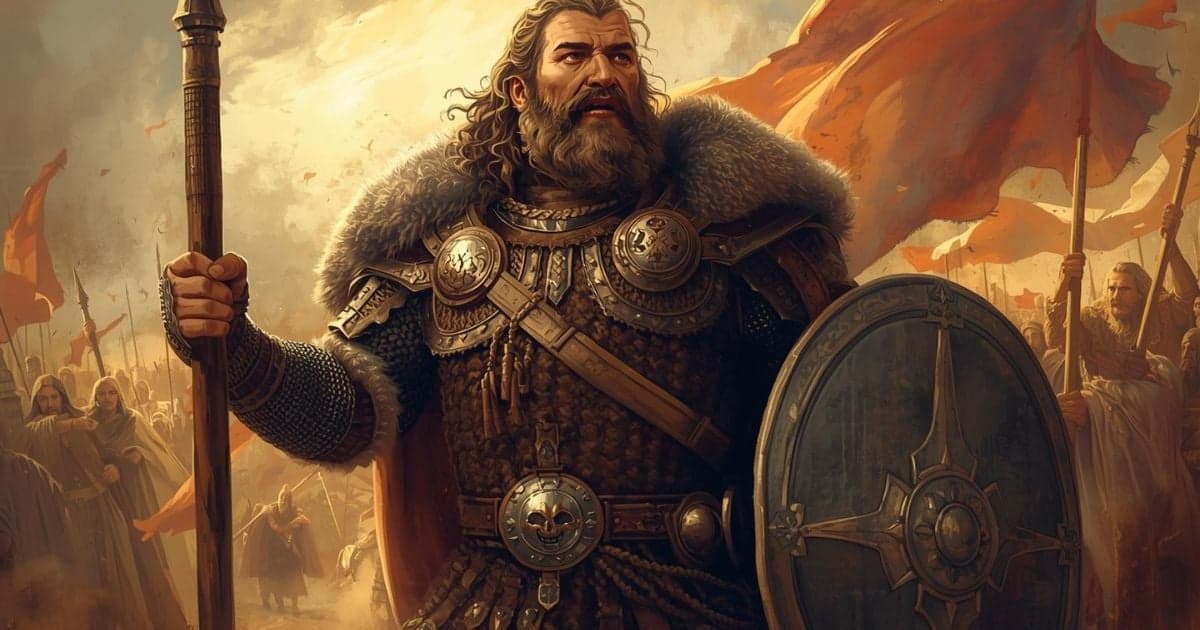
Book Sixteen of The Iliad presents one of literature's most devastating examples of how good intentions and noble friendship can lead to catastrophic consequences when pride and the intoxication of success override careful judgment. The chapter opens with Patroclus weeping before Achilles, pleading for permission to enter battle wearing his friend's armor to save the desperate Greeks. Achilles, moved by his companion's tears and the sight of Greek ships beginning to burn, finally relents but gives explicit, non-negotiable orders: save the fleet, then return immediately without pursuing the Trojans toward their city walls. This moment establishes the central tension that will drive the entire narrative toward its tragic conclusion. Achilles' conditional agreement reveals both his deep love for Patroclus and his understanding of the dangers that await anyone who ventures too far into enemy territory without divine protection. The armor ceremony that follows becomes almost ritualistic in its significance. As Patroclus dons each piece of Achilles' legendary equipment, he transforms from a secondary character into a figure of mythic proportions.
The Greeks see their greatest hero apparently returning to battle, while the Trojans witness their worst nightmare materializing before their eyes. This psychological warfare proves devastatingly effective as Trojan forces immediately begin retreating in panic, convinced that the invincible Achilles has abandoned his wrath and rejoined the fight. The middle section chronicles Patroclus's spectacular military success as he drives the enemy back from the ships and across the plains. His tactical brilliance and fighting prowess shine as he systematically dismantles Trojan resistance, killing enemy leaders and inspiring Greek forces to unprecedented heights of courage and effectiveness. The rescue of the fleet succeeds beyond all expectations, fulfilling the primary objective Achilles had set. However, this very success becomes the seed of destruction. Victory proves intoxicating, and Patroclus finds himself caught up in the momentum of triumph, the cheers of his men, and the heady rush of military glory.
Each enemy he defeats, each position he captures, each step closer to Troy's walls feeds his growing confidence that he can achieve something even greater than the limited mission Achilles had authorized. The killing of Sarpedon, Zeus's own son, represents the climactic moment when Patroclus crosses from heroic achievement into dangerous overreach. This victory against a divine opponent inflates his sense of invincibility and pushes him further beyond the boundaries his friend had carefully established. The gods themselves begin to take notice of this mortal who dares to challenge the established order of the war. Apollo's repeated warnings to turn back become increasingly urgent, but Patroclus, drunk on success and convinced of his own tactical superiority, ignores even divine intervention. The second half of the chapter builds relentlessly toward the tragic climax as Patroclus pushes his forces toward Troy's very walls, directly violating Achilles' explicit commands. His battlefield dominance continues as he cuts through enemy ranks with devastating efficiency, but each victory draws him deeper into the trap of his own hubris.
The Trojans, initially scattered and demoralized, begin to regroup under Hector's leadership as they realize this is not actually Achilles but his substitute. The psychological advantage that had served Patroclus so well begins to erode as enemy forces recognize the deception and rally their courage. Apollo's divine intervention marks the turning point where mortal achievement collides with cosmic order. The god strikes Patroclus with supernatural force, stunning him and stripping away his armor piece by piece, leaving him vulnerable and disoriented on the battlefield. This divine assault represents more than military reversal; it symbolizes the moment when human ambition overreaches the boundaries set by fate and divine will. Euphorbus seizes the opportunity to wound the stunned hero, delivering the first blow that begins Patroclus's destruction. Finally, Hector arrives to claim the killing stroke, though even in death Patroclus maintains his defiant spirit, prophesying his killer's own doom at Achilles' hands.
The closing section delivers the tragic consequences with brutal efficiency, as the chapter's hero transforms from triumphant warrior to dying victim in a matter of moments. The chapter's power lies not in portraying Patroclus as a villain, but in showing how an essentially good person can make catastrophic choices when success overrides judgment. His motivations remain pure throughout: he wants to help his people, honor his friend, and serve the Greek cause. Yet his inability to recognize his own limitations and respect the boundaries that wiser counsel had established transforms noble intentions into personal destruction. The tragedy resonates because it reflects universal human tendencies to push beyond safe limits when things are going well, to mistake temporary success for permanent invincibility, and to let pride override prudence. Homer's genius lies in making us understand exactly why Patroclus makes his fatal choice while simultaneously showing us the inevitable consequences of that decision. The chapter serves as both a thrilling military adventure and a profound meditation on the dangerous allure of glory and the tragic gap between human ambition and human capacity.