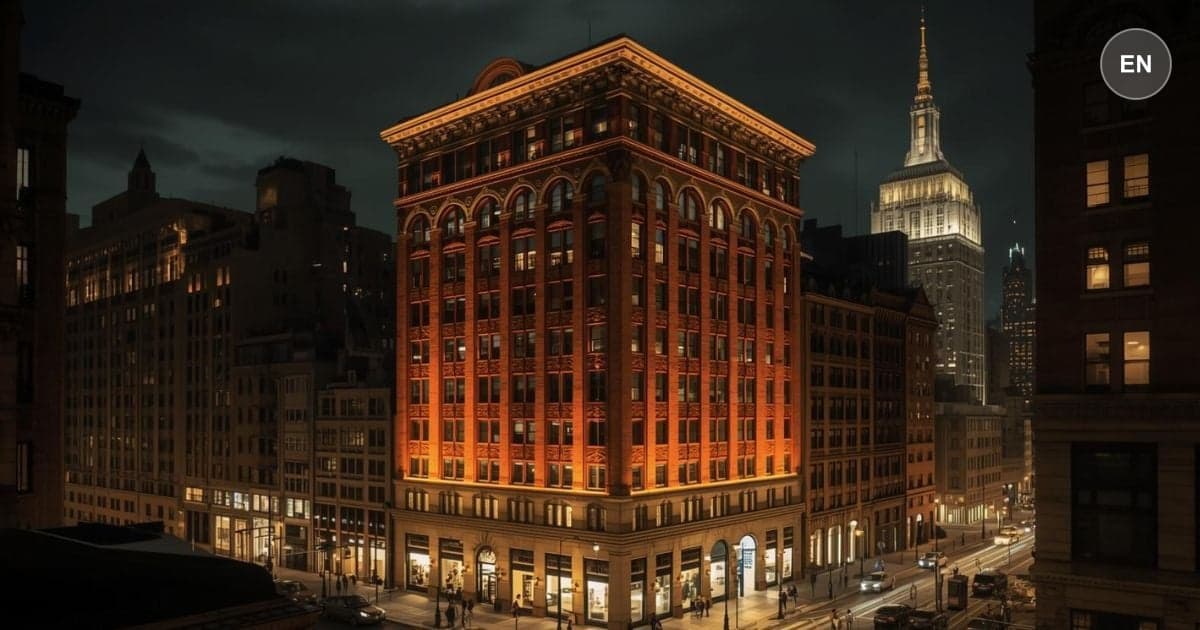
Winter returns to Fifth Avenue, and Lily's world thins out with the leaves. The Horse Show briefly revives the old spectacle of wealth on parade, but Lily senses she is already outside the ring. Mrs. Gormer still displays herself and her horses, yet the drift of fashionable life is carrying Mattie away from Lily. She has failed to secure a permanent place in the Gormers' rising orbit.
Society does not announce exile. It forgets. Invitations grow vague, calls stop, and Lily feels herself becoming background noise in rooms she once commanded. Money explains the pattern: Bertha Dorset's fortune makes her untouchable, while Lily's poverty makes her easy to drop. The cruelty is quiet and therefore harder to fight.
In a raw talk with Gerty Farish, Lily names costs her old life hid. Tips, clothes, and the constant labor of being fresh and exquisite and amusing drained cash she never officially spent. She is terrified of ending like the Silverton sisters, painting apple blossoms on blotting-paper for agencies that pay pennies. Gerty offers sympathy, not solutions.
Lily admits something worse than broke: she does not know how to earn a living. Her graces were marketable only inside a system that now excludes her. Poverty, for one, she tells Gerty, is the most dreadful thing she knows. The sentence lands because Lily has never before spoken without performance.
The chapter is not about one snub but about erosion. Lily still looks like she belongs until she tries to act on that appearance. By the end she understands that the Gormers were shelter, not rescue, and winter is only beginning.
Coming Up in Chapter 24
Broke and desperate for any income, Lily will wake in luxury at the Emporium Hotel as secretary to Mrs. Norma Hatch, a rich divorcée buying her way into society with Lily's taste as cover.