Master this chapter. Complete your experience
Purchase the complete book to access all chapters and support classic literature
As an Amazon Associate, we earn a small commission from qualifying purchases at no additional cost to you.
Available in paperback, hardcover, and e-book formats
Why This Matters
Connect literature to life
This chapter teaches how to identify who really holds power in any situation and what motivates their actions.
Practice This Today
This week, notice when someone claims authority but actually depends on others for their position—then observe who they really answer to.
Now let's explore the literary elements.
Key Quotes & Analysis
"Until the day when God will deign to reveal the future to man, all human wisdom is contained in these two words: Wait and Hope."
Context: The Count reflects on his philosophy as he plans his revenge
This quote reveals the Count's patient, methodical approach to revenge. He's learned that rushing leads to mistakes, and that time is his greatest weapon. It also shows his belief that he's carrying out divine justice.
In Today's Words:
Don't rush it. Good things come to those who wait, and karma always comes around eventually.
"I am not proud, but I am happy; and happiness blinds, I think, more than pride."
Context: The Count observes how his enemies' current contentment makes them vulnerable
This shows the Count's strategic thinking - he understands that happy, comfortable people don't see danger coming. Their satisfaction has made them careless and blind to threats.
In Today's Words:
When people are comfortable and successful, they get sloppy and don't watch their backs.
"There is neither happiness nor misery in the world; there is only the comparison of one state with another, nothing more."
Context: The Count philosophizes about his transformation and mission
This reveals how profoundly the Count's worldview has changed. He no longer sees absolute good or evil, just relative positions of power and suffering. This cold perspective justifies his revenge in his mind.
In Today's Words:
Everything is relative - you're only as happy or miserable as your situation compared to what you had before.
Thematic Threads
Identity
In This Chapter
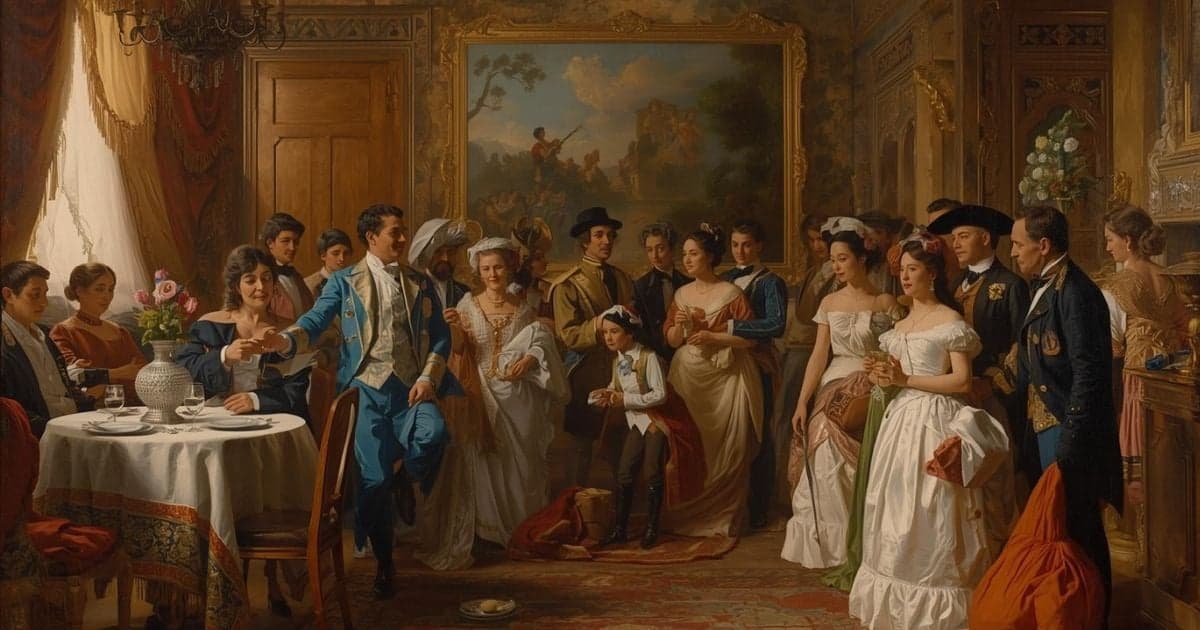
Dantès completely reinvents himself as the Count, using wealth and mystery to create a new social position
Development
Evolution from his earlier identity crisis - now he's actively crafting identity as a tool
In Your Life:
You might recognize this when you realize you need to present differently at work or in new social situations to be taken seriously
Class
In This Chapter
The Count uses his wealth to gain access to Parisian society and position himself among his former superiors
Development
Builds on earlier themes of class barriers - now he's transcended them through money
In Your Life:
You see this when money or education opens doors that were previously closed to you
Power
In This Chapter
Dantès methodically builds influence and information networks to control his enemies' fates
Development
Progression from powerlessness in prison to wielding calculated power
In Your Life:
You might notice this when you realize information and patience give you more leverage than anger ever could
Isolation
In This Chapter
The Count's quest for revenge has cost him the ability to form genuine human connections
Development
Deepening of his emotional distance that began in prison
In Your Life:
You might recognize this when your focus on goals or past hurts makes it hard to trust or connect with others
Justice
In This Chapter
Dantès believes his planned revenge serves justice, but the line between justice and vengeance blurs
Development
Evolution from seeking simple justice to orchestrating complex retribution
In Your Life:
You see this when you justify harsh actions by telling yourself someone 'deserves' what's coming to them
You now have the context. Time to form your own thoughts.
Discussion Questions
- 1
How does Dantès approach planning his revenge differently from how most people react when they've been wronged?
analysis • surface - 2
Why does Dantès choose to study his enemies carefully instead of confronting them immediately?
analysis • medium - 3
Where have you seen this pattern of 'strategic patience' work better than emotional reactions in your own workplace or family situations?
application • medium - 4
If you were facing a situation where someone had seriously wronged you, how would you apply Dantès's approach of building power before taking action?
application • deep - 5
What does this chapter reveal about the difference between justice and revenge, and how both can change the person seeking them?
reflection • deep
Critical Thinking Exercise
Map Your Strategic Response Plan
Think of a current situation where you feel wronged or frustrated - maybe at work, with family, or in your community. Instead of planning an emotional response, create a strategic patience plan like Dantès. Write down what you need to learn first, what power or resources you need to build, and what success would actually look like.
Consider:
- •What information do you need before taking any action?
- •Who are the real decision-makers in this situation?
- •What relationships or resources would strengthen your position?
Journaling Prompt
Write about a time when you reacted emotionally to being wronged versus a time when you waited and planned strategically. What were the different outcomes? How did each approach affect not just the situation, but how you felt about yourself afterward?
Coming Up Next...
Chapter 28: The Prison Register
The Count makes his first direct move against one of his enemies, setting in motion a plan that will test whether his years of preparation have truly prepared him for the reality of revenge. Meanwhile, an unexpected encounter threatens to awaken emotions he thought he had buried forever.