Chapter 80
The Fatal Day
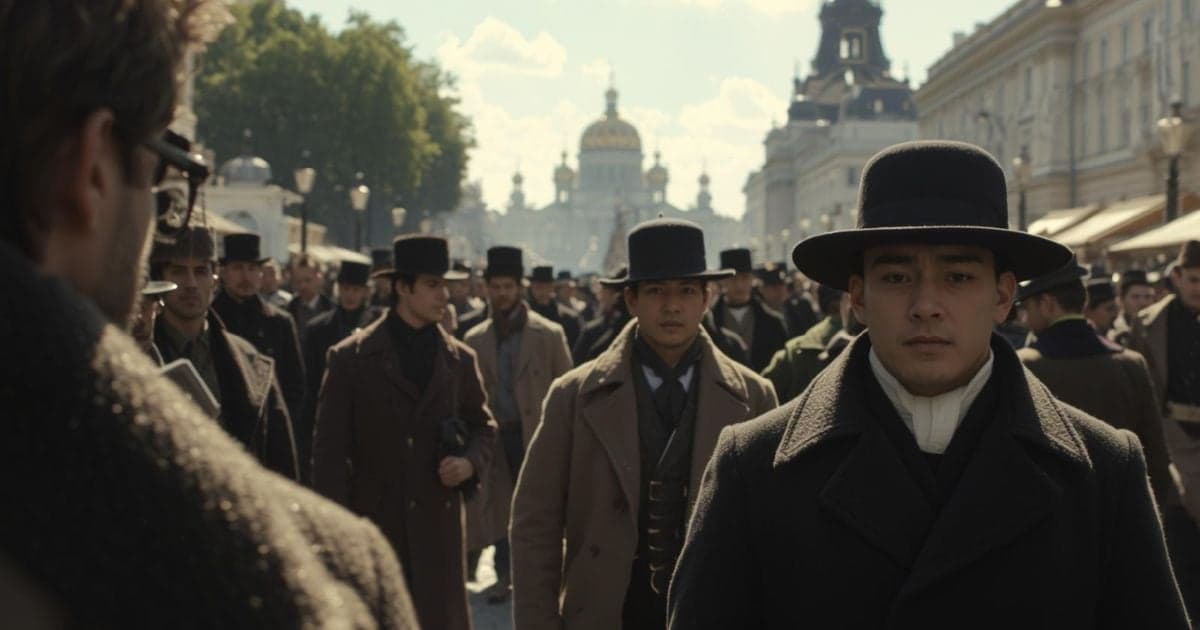
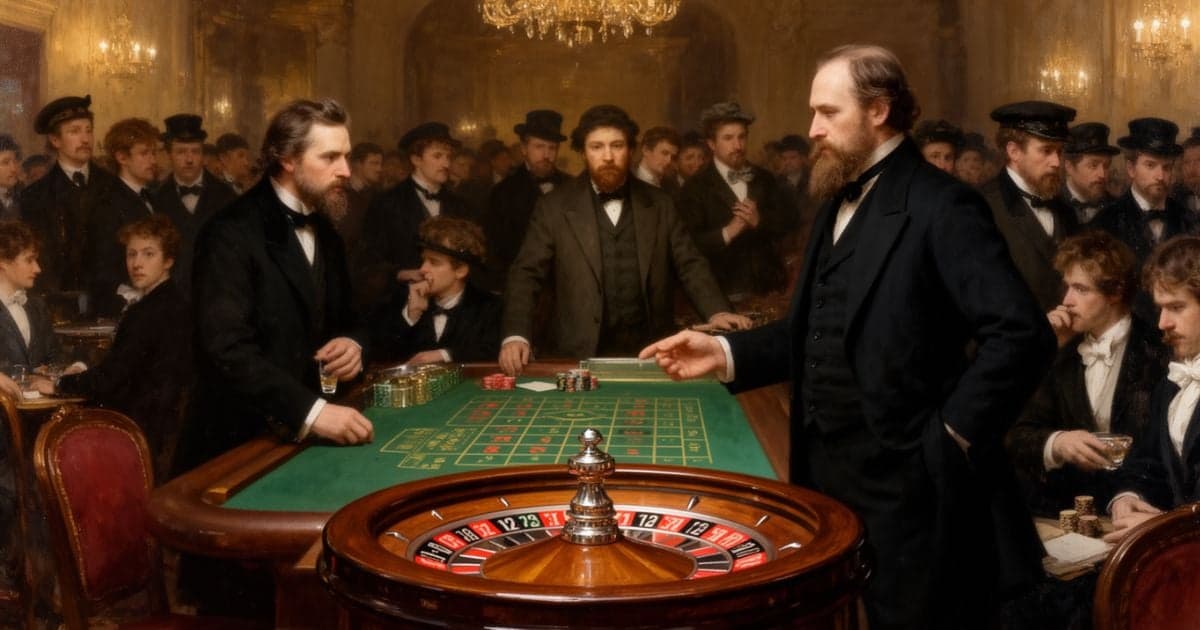
The Fatal Day At ten o’clock in the morning of the day following the events I have described, the trial of Dmitri Karamazov began in our district court. I hasten to emphasize the fact that I am far from esteeming myself capable of reporting all that took place at the trial in full detail, or even in the actual order of events. I imagine that to mention everything with full explanation would fill a volume, even a very large one. And so I trust I may not be reproached, for confining myself to what struck me. I may have selected…
Public-domain chapter text, formatted for reading.
Master this chapter. Complete your experience
Purchase the complete book to access all chapters and support classic literature
Available in paperback, hardcover, and e-book formats
Now let's explore the literary elements.
Key Quotes & Analysis
"vast majority of them, were on Mitya’s side and in favor of his being acquitted."
Context: Describing the ladies in the gallery before testimony begins
The verdict is partly social before evidence: romance and scandal shape sympathy.
In Today's Words:
The narrator notes that most women in the gallery favored Mitya and wanted acquittal, drawn by his reputation and the rivalry with Katerina and Grushenka. Crowds often pick a hero before testimony starts. When a case becomes spectacle, notice which story people want to win and how that colors every fact they hear later.
"He was a dog and died like a dog!"
Context: Mitya's outburst when Smerdyakov's death is announced in court
One sentence undoes the new coat: rage reads as guilt and cruelty to the jury.
In Today's Words:
Mitya shouts that Smerdyakov was a dog and died like a dog the moment the suicide is read. His lawyer rushes to him; the president threatens stern measures. In a public hearing, a single cruel line can outweigh a tailored suit. If your goal is mercy, treat the room as a jury even before the state asks its questions.
"I plead guilty to drunkenness and dissipation,” he exclaimed, again in a startling, almost frenzied, voice, “to idleness and debauchery."
Context: Answering the president's question after the charge is read
Partial confession: he owns vice to deny the capital crimes.
In Today's Words:
Mitya pleads guilty to drunkenness, dissipation, idleness, and debauchery in a loud, frenzied voice before denying murder and theft. He tries to separate character from the charge. Defendants often admit small sins to sound honest while denying the accusation that matters. Ask whether that honesty helps or only confirms a bad reputation.
"Dmitri Karamazov is a scoundrel, but not a thief."
Context: Closing his plea to the court
The line he wants remembered: moral stain without the legal label.
In Today's Words:
Mitya ends by saying Dmitri Karamazov is a scoundrel but not a thief, after denying he robbed or killed his father. He offers a label he can live with. In high-stakes settings, people often negotiate identity instead of facts: scoundrel yes, murderer no. Track which word they are really fighting over.
Thematic Threads
Class
In This Chapter
The jury of working-class people is dismissed as too simple for a complex case, while Mitya's expensive clothes signal privilege that alienates them
Development
Continues the book's exploration of how class differences create mutual misunderstanding and resentment
In Your Life:
You might face skepticism about your capabilities based on your background, or judge others the same way
Identity
In This Chapter
Mitya admits to being a scoundrel and debaucher but denies being a murderer—defining himself by what he won't do
Development
Builds on Mitya's struggle throughout the book to understand who he really is beneath his wild reputation
In Your Life:
You might find yourself accepting negative labels while drawing the line at certain accusations
Social Expectations
In This Chapter
The courtroom audience divides along gender lines with predictable biases—women romanticizing Mitya, men condemning him
Development
Extends the book's examination of how society prejudges based on stereotypes and personal interests
In Your Life:
You might notice how different groups form opinions about you based on their own experiences and biases
Pride
In This Chapter
Mitya's arrogant appearance and shocking outburst about Smerdyakov damage his case from the start
Development
Culminates Mitya's lifelong pattern of letting pride override practical judgment
In Your Life:
You might sabotage important opportunities by refusing to appear vulnerable or apologetic when it would help
Justice
In This Chapter
The trial becomes entertainment, with public opinion and personal grudges influencing perceptions before evidence is heard
Development
Introduced here as the book examines whether true justice is possible in a flawed human system
In Your Life:
You might face situations where fairness gets overshadowed by politics, popularity, or personal relationships
You now have the context. Time to form your own thoughts.
Discussion Questions
This is not a test. Five prompts guide you through the chapter, from how it opens to how it closes, so you notice context and rhythm rather than facts to memorize. Sit with each question in your own words. When you see "One way to read it," treat it as a starting point, not the only answer.
- 1
How does the narrator describe public interest and the makeup of the courtroom?
analysis • surfaceOne way to read it
The day after Ivan's breakdown, Mitya's trial opens at ten. The hall overflows with visitors from Moscow and Petersburg; the crowd treats the case like national theater.
- 2
Why do most ladies favor Mitya while many men in the audience are against him?
analysis • mediumOne way to read it
Ladies mostly favor Mitya; men often hold grudges. The jury is clerks, merchants, peasants, faces stern and frowning.
- 3
What impression does Mitya make when he enters, and what happens when Smerdyakov's death is announced?
application • mediumOne way to read it
Fetyukovitch arrives in evening dress; Mitya enters in a new frock-coat and loud voice. When Smerdyakov's suicide is read, Mitya shouts that he was a dog and died like a dog.
- 4
What is Mitya's plea when the president asks if he is guilty, and how does he define himself?
application • deepOne way to read it
Mitya rises to plead guilty to drunkenness and debauchery, not to murder or theft: a scoundrel, not a thief. His counsel and the president rebuke his outbursts.
- 5
Who is Fetyukovitch, and how does the chapter end as witnesses are called?
reflection • deepOne way to read it
Witnesses are sworn; the brothers may testify without oath. Fetyukovitch takes the defense; Book XII has begun and evidence is still ahead.
Critical Thinking Exercise
Rewrite Your Performance
Think of a situation where you're being evaluated or judged - a job interview, performance review, family conflict, or social media dispute. Write two versions: first, how you naturally want to respond when feeling defensive, then how you would respond if your only goal was achieving the outcome you actually want.
Consider:
- •What impression are you giving versus what impression serves your goals?
- •How might your audience's existing biases affect their interpretation?
- •What would strategic humility look like in this specific situation?
Journaling Prompt
Write about a time when your pride got in the way of getting what you actually wanted. What would you do differently now that you recognize this pattern?
Coming Up Next...
Chapter 81: Dangerous Witnesses
The prosecution begins calling witnesses, and the first testimonies will either support or demolish the case against Mitya. Some witnesses may prove more dangerous to the defense than expected Prosecution witnesses go first, and from the opening moments the case looks hopeless: facts cluster around one bloody story, the room treats guilt as obvious, and even the ladies who want Mitya acquitted assume he.