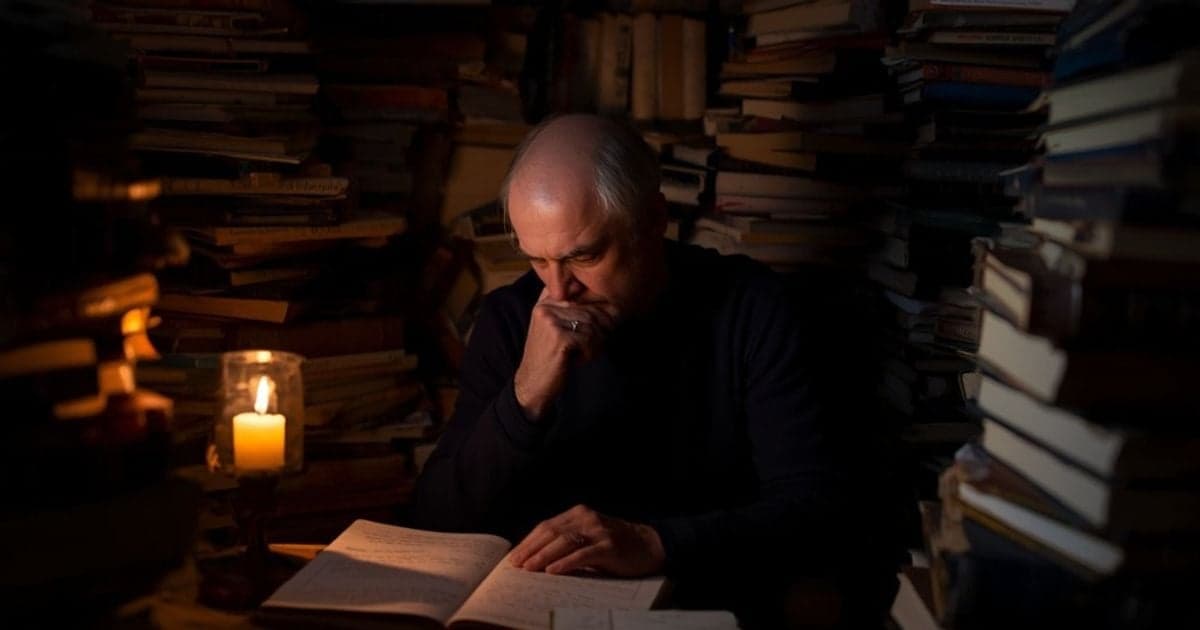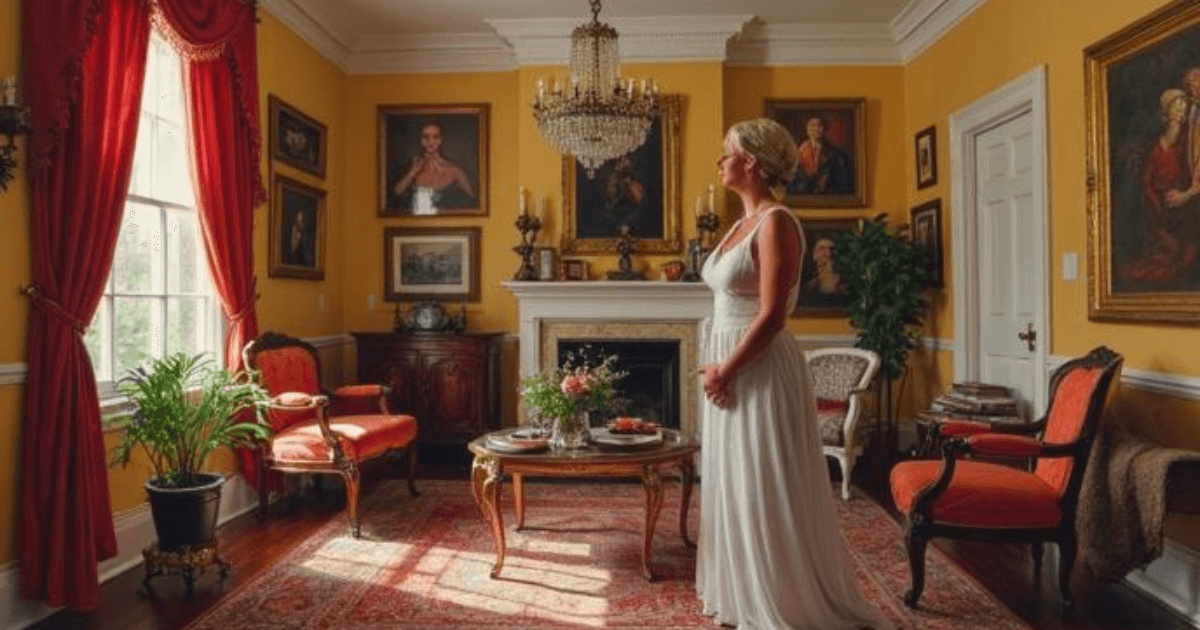
Chapter 21
The Music and the Letter
XXI Some people contended that the reason Mademoiselle Reisz always chose apartments up under the roof was to discourage the approach of beggars, peddlars and callers. There were plenty of windows in her little front room. They were for the most part dingy, but as they were nearly always open it did not make so much difference. They often admitted into the room a good deal of smoke and soot; but at the same time all the light and air that there was came through them. From her windows could be seen the crescent of the river, the masts of…
Public-domain chapter text, formatted for reading.
Master this chapter. Complete your experience
Purchase the complete book to access all chapters and support classic literature
Available in paperback, hardcover, and e-book formats
Now let's explore the literary elements.
Key Quotes & Analysis
"I do not know you well enough to say. I do not know your talent or your temperament. To be an artist includes much; one must possess many gifts—absolute gifts—which have not been acquired by one’s own effort. And, moreover, to succeed, the artist must possess the courageous soul.” “What do you mean by the courageous soul?” “Courageous, _ma foi!_ The brave soul. The soul that dares and defies."
Context: She warns Edna that art demands innate gifts and a defiant soul, not hobbyist pretension
Mademoiselle refuses flattery and names the cost of real art: courage that challenges convention.
In Today's Words:
A mentor tells you talent alone is not enough. You need a brave soul willing to defy expectations. At work that might mean publishing honest research when your team wants safe conclusions, or showing art that reveals who you are rather than what sells. That is the honest read when feeling outruns the story you
"It was written about you, not to you."
Context: She paraphrases Robert's letter from Mexico, which asks after Edna but never addresses her
Robert processes his feeling at a distance, using Mademoiselle as intermediary while Edna starves for direct contact.
In Today's Words:
Someone writes a mutual friend asking about you constantly but never messages you directly. You scroll the group chat for your name while he keeps you at arm's length, and the silence hurts more than any blunt refusal would. That is the honest read when feeling outruns the story you were taught to tell about
"The music grew strange and fantastic—turbulent, insistent, plaintive and soft with entreaty."
Context: Chopin and Wagner swell as Edna reads Robert's letter in the fading light
Sound externalizes what Edna cannot say: turbulent longing that fills the room and spills into the night.
In Today's Words:
Music can crack you open when words fail. You hear a song in a parking lot and suddenly you are crying over someone you never called. The melody does the grieving your schedule will not let you do out loud. That is the honest read when feeling outruns the story you were taught to tell
"Edna was sobbing, just as she had wept one midnight at Grand Isle when strange, new voices awoke in her."
Context: The performance ends with Edna in tears, echoing her first awakening at Grand Isle
Art and absence combine to reopen the channel Grand Isle opened: feeling she has been managing since summer.
In Today's Words:
A letter plus a piano undo months of composure. You thought you had moved on until a song and a postscript prove the feeling never left, only went underground while you kept performing normal life. That is the honest read when feeling outruns the story you were taught to tell about yourself and your obligations
Thematic Threads
Artistic Identity
In This Chapter
Mademoiselle Reisz embodies the true artist—living authentically despite social costs, creating music that moves souls
Development
Introduced here as contrast to Edna's emerging artistic aspirations
In Your Life:
You might recognize this when choosing between creative authenticity and social expectations in your own pursuits.
Social Defiance
In This Chapter
Mademoiselle's eccentric lifestyle and sharp tongue protect her artistic integrity from social pressures
Development
Building on Edna's earlier rebellions, now showing the full cost and reward of defying conventions
In Your Life:
You see this when deciding whether to pursue something meaningful that others might judge or dismiss.
Emotional Awakening
In This Chapter
Music triggers Edna's breakdown, connecting her to the same vulnerability she felt at Grand Isle
Development
Continues the awakening theme but now through artistic rather than romantic catalyst
In Your Life:
You experience this when art, music, or beauty suddenly makes you feel emotions you've been suppressing.
Mentorship
In This Chapter
Mademoiselle serves as artistic guide, offering both inspiration and harsh truth about the artist's path
Development
Introduced here as new relationship dynamic beyond family and romantic connections
In Your Life:
You encounter this when someone further along your path offers guidance that challenges your comfortable assumptions.
Hidden Connections
In This Chapter
Robert's letter reveals his constant thoughts of Edna, showing their separation hasn't diminished their bond
Development
Develops the Robert relationship theme through absence rather than presence
In Your Life:
You recognize this when discovering someone thinks of you more than they've revealed, or when your own hidden feelings are exposed.
You now have the context. Time to form your own thoughts.
Discussion Questions
This is not a test. Five prompts guide you through the chapter, from how it opens to how it closes, so you notice context and rhythm rather than facts to memorize. Sit with each question in your own words. When you see "One way to read it," treat it as a starting point, not the only answer.
- 1
Why does Mademoiselle Reisz refuse to show Robert's letter at first?
analysis • surfaceOne way to read it
She enjoys testing Edna and insists a letter belongs to writer and recipient. Withholding also lets her control how much Robert's absence hurts.
- 2
What does Mademoiselle mean by the courageous soul an artist must possess?
analysis • mediumOne way to read it
She argues real art requires innate gifts plus bravery to defy convention, not hobbyist pretension. Talent without defiance cannot survive social pressure.
- 3
When have you learned something important about yourself through art rather than conversation?
application • mediumOne way to read it
Many people are cracked open by music, film, or painting when words fail. Edna's tears show feeling can arrive through performance before you can name it.
- 4
Why does Edna sob at the end of the visit though Robert is still absent?
application • deepOne way to read it
Letter plus music confirm Robert's hold while denying direct contact. The scene repeats Grand Isle's awakening through art instead of sea.
- 5
What does this chapter suggest about wanting someone who will not write to you directly?
reflection • deepOne way to read it
Indirect devotion can feel intense yet leave you powerless. Edna's crumpled letter warns that being the subject of talk is not the same as being claimed.
Critical Thinking Exercise
Map Your Creative Courage
Think of something creative you do or want to do—writing, music, art, crafts, cooking, gardening, anything that expresses who you are. Draw two columns: 'What I Risk' and 'What I Gain.' List the real costs of pursuing this more seriously (time, money, judgment from others) and the real benefits (personal satisfaction, growth, connection with others). This isn't about making a decision—it's about seeing the trade-offs clearly.
Consider:
- •Consider both practical risks (time, money) and emotional ones (judgment, failure)
- •Think about what 'pursuing it more seriously' actually means—it doesn't have to mean quitting your day job
- •Notice which column feels more real to you right now—the risks or the gains
Journaling Prompt
Write about a time when you shared something creative with someone else. What was that experience like? What did you learn about yourself from their reaction—or from your own courage in sharing?
Coming Up Next...
Chapter 22: The Doctor's Visit
Léonce consults Doctor Mandelet about Edna's neglect of housekeeping and social duties. The physician will advise patience and wonder, privately, whether another man explains the change. The next chapter opens on a concrete beat, not a mood.